QUETTA: The Balochistan cabinet has approved a policy to introduce double shifts in government schools and launch a non-formal education programme aimed at bringing around 1.6 million children aged 10 to 16 into the education system.
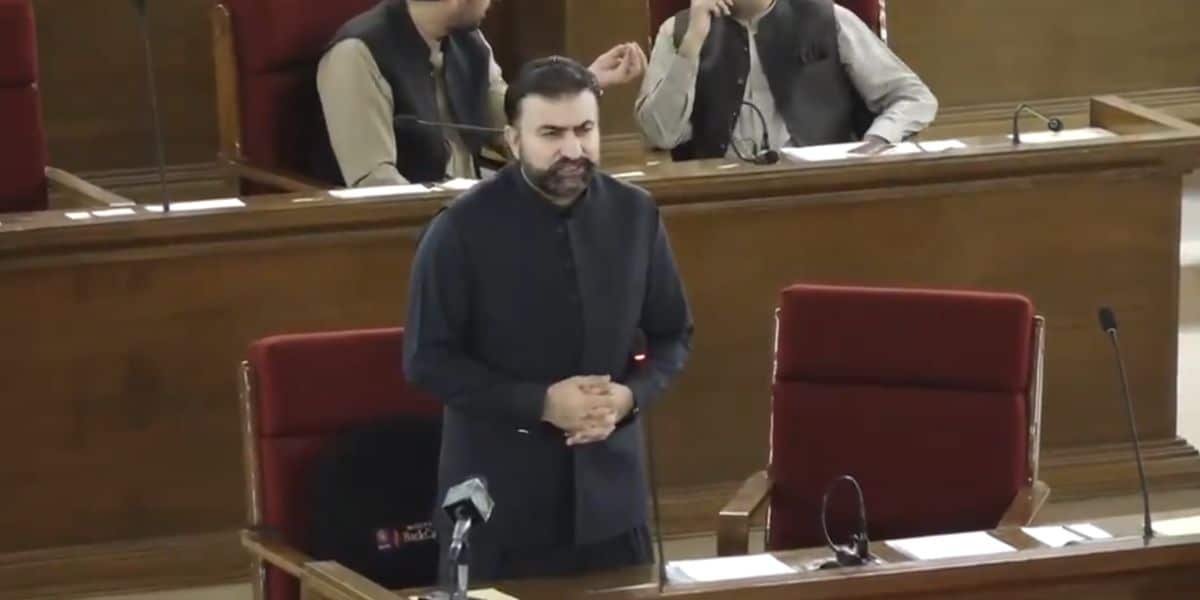
The decisions were taken at a provincial cabinet meeting chaired by Chief Minister Mir Sarfraz Bugti on October 9. The cabinet also approved the Balochistan Non-Formal Education Act 2025, according to a government statement.
The initiatives aim to address the province’s shortage of educational facilities and the persistent challenge of children remaining out of school.
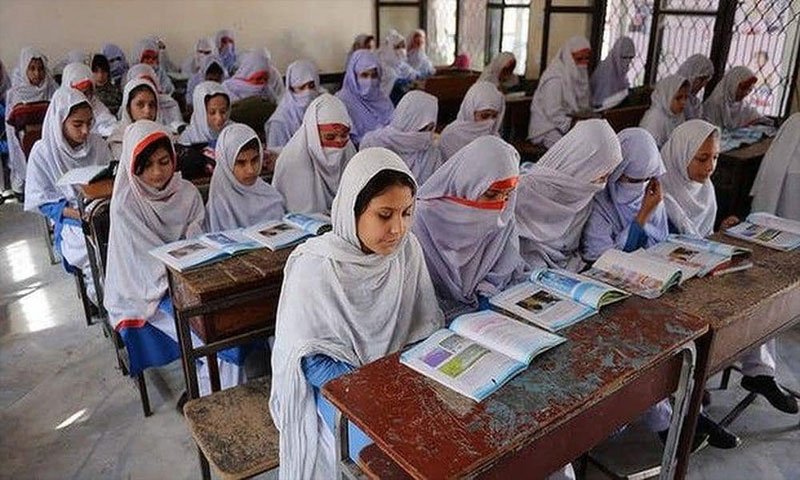
Under the double-shift policy, the government plans to make more effective use of existing school buildings and infrastructure by introducing evening classes. The move is intended to accommodate additional students without relying solely on the construction of new schools.
By expanding teaching hours at existing institutions, the government hopes to create more opportunities for children who cannot currently access conventional schooling.
Non-formal education programme targets 1.6 million children
In a separate initiative, the provincial government has set a target of bringing approximately 1.6 million children aged 10 to 16 into the education system through non-formal learning opportunities.
The programme will focus on children who have been unable to enrol in conventional schools or have dropped out for various reasons.
The cabinet also approved the formation of the governing board of the Balochistan Education Foundation to improve the organisation’s administrative and educational management.
Implementation remains the key challenge
Education analysts say the decisions come as Balochistan faces significant challenges in expanding access to education and bringing out-of-school children back into learning.
They say introducing a second shift in existing school buildings could provide additional classroom capacity without waiting for new facilities to be constructed. However, the policy’s success will depend on the availability of teachers, adequate funding, education standards and effective monitoring.
Similarly, analysts caution that the target of enrolling 1.6 million children should not focus solely on registration figures. Sustained attendance, completion rates and learning outcomes will also be essential to ensure that children benefit from the programme.
Although the cabinet’s approval marks an important policy step, implementation will determine whether the initiatives translate into meaningful improvements in educational access.
The government statement did not specify when double-shift classes would begin, which schools would participate or how teachers would be appointed.