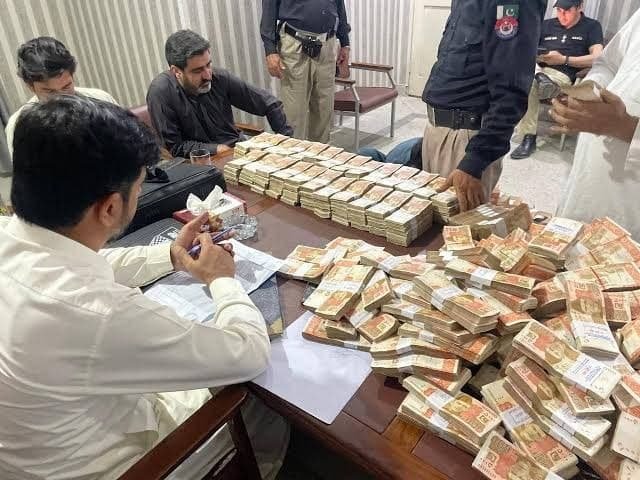
QUETTA: The audit report for the financial year 2024–25 presented before the Balochistan Assembly has exposed widespread corruption in Balochistan, revealing total financial irregularities exceeding PKR 37 billion across multiple provincial government departments.
According to the official document, the audit highlights severe fiscal mismanagement, including irregular expenditures amounting to PKR 11.88 billion.
Furthermore, excess payments of PKR 1.48 billion were recorded, alongside total recoveries identified at PKR 21.48 billion.
The auditors also flagged suspicious expenses totaling PKR 55.2 million incurred during the 2024–25 fiscal period, raising major concerns over transparency and governance.
The findings further reveal direct government losses of PKR 391.1 million, pointing to systemic flaws and deep-rooted corruption in Balochistan.
Serious violations were noted in the Public Sector Development Programme (PSDP) fund allocation, where 198 development projects—valued at a staggering PKR 17.02 billion—were either abandoned or left incomplete, leaving public welfare initiatives stranded.
Following its presentation in the house, the Balochistan Assembly referred the report to the Public Accounts Committee (PAC) for a thorough inquiry into all audit paragraphs.
As public demand for accountability grows, stringently addressing fiscal leakages and rampant corruption in Balochistan remains critical for restoring public trust and ensuring transparent economic development.
Additional Note on Corruption in Balochistan
Understanding the structural impact of corruption in Balochistan is essential when evaluating official audit reports and governance outcomes.
In Pakistan’s largest province by geography, public sector procurement and development expenditure have historically faced recurring oversight challenges.
When development funds earmarked under the Public Sector Development Programme fail to translate into completed projects, public infrastructure, healthcare, and education suffer directly.
The recurring patterns of irregular expenditures, non-recoveries, and unverified disbursements outlined in successive governance assessments highlight the imperative for stringent internal controls.
Addressing corruption in Balochistan requires transparent oversight mechanisms, real-time tracking of development funds, and empowered audit institutions that can enforce accountability across line departments.
Financial leakages do not merely represent monetary loss; they undermine institutional trust, stall socio-economic progress, and deprive local communities of vital public resources.
When public account committees examine audit observations, following up with concrete administrative and legal action is pivotal to ending impunity.
Strengthening public finance management through digitized procurement platforms, independent third-party evaluations, and active parliamentary oversight can serve as a strong defense against systemic administrative flaws.
ALSO READ: FIA Uncovers Fraud Involving Former Yellow Line BRT Project Director
Ultimately, combating corruption in Balochistan is vital for ensuring that financial allocations yield tangible benefits for the public and foster lasting regional prosperity.