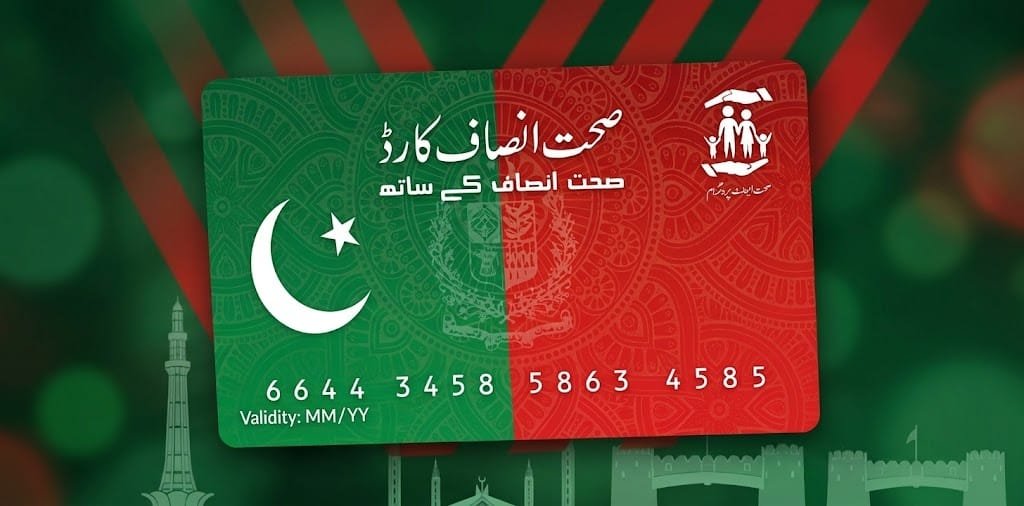
PESHAWAR: PTI Health Card Irregularities have come under scrutiny in Khyber Pakhtunkhwa after a report exposed costly medicine purchases under the Sehat Card Plus programme, with affiliated hospitals reportedly securing discounts of just 15% despite government procurement rates offering reductions of up to 70%.
The findings have raised troubling questions about the procurement practices under the Pakistan Tehreek-e-Insaf (PTI)-led health programme, pointing to possible financial losses for the public exchequer and a failure to secure medicines and medical supplies at competitive prices.
According to a report examining the programme’s purchasing arrangements, hospitals affiliated with Sehat Card Plus have bypassed the centralised government procurement mechanism and relied on local suppliers for medicines, medical equipment and other supplies.
The contrast is particularly striking: while the government’s central purchasing system offers discounts of up to 70%, hospitals operating under the health card programme reportedly secured discounts of only around 15%.
This gap raises a critical question: why were hospitals allowed to purchase medicines at significantly higher rates when a cheaper government procurement channel was already available?
Moreover, the report estimates that medicines, medical equipment and other medical supplies account for around 40 to 45% of the programme’s total healthcare expenditure. Consequently, even relatively small differences in procurement prices could translate into substantial additional costs for the public purse.
The findings also point to fragmented purchasing practices across the programme, suggesting that the absence of a unified procurement mechanism may have exposed public funds to unnecessary expenditure.
Questions over transparency and oversight
Beyond the financial implications, the procurement arrangements have also raised serious concerns about price monitoring, product quality and transparency.
The report questions whether adequate safeguards are in place to ensure that medicines and medical supplies are purchased at fair market prices and meet the required quality standards.
More importantly, the apparent failure to fully utilise the government’s centralised purchasing system raises questions about administrative oversight and accountability within the Sehat Card Plus framework.
Report calls for urgent reforms
To address these concerns, the report recommends immediately linking Sehat Card Plus procurement with the government’s centralised purchasing system.
It also calls for a comprehensive digital monitoring mechanism and an independent third-party audit of medicine and medical equipment purchases.
Such measures, the report suggests, could improve transparency, strengthen price controls and prevent unnecessary financial losses.
The revelations put the PTI-era flagship healthcare initiative under renewed scrutiny. While the programme was presented as a major step towards providing financial protection to patients, the procurement findings raise a different concern: whether public money intended for healthcare was being spent efficiently.
Also Read: Sehat Card Plus: Another Anti-Poor PTI-Era Policy Exposed
Ultimately, the issue goes beyond discounts. It concerns accountability, transparency and whether a public healthcare programme is obtaining the best possible value for taxpayers’ money.