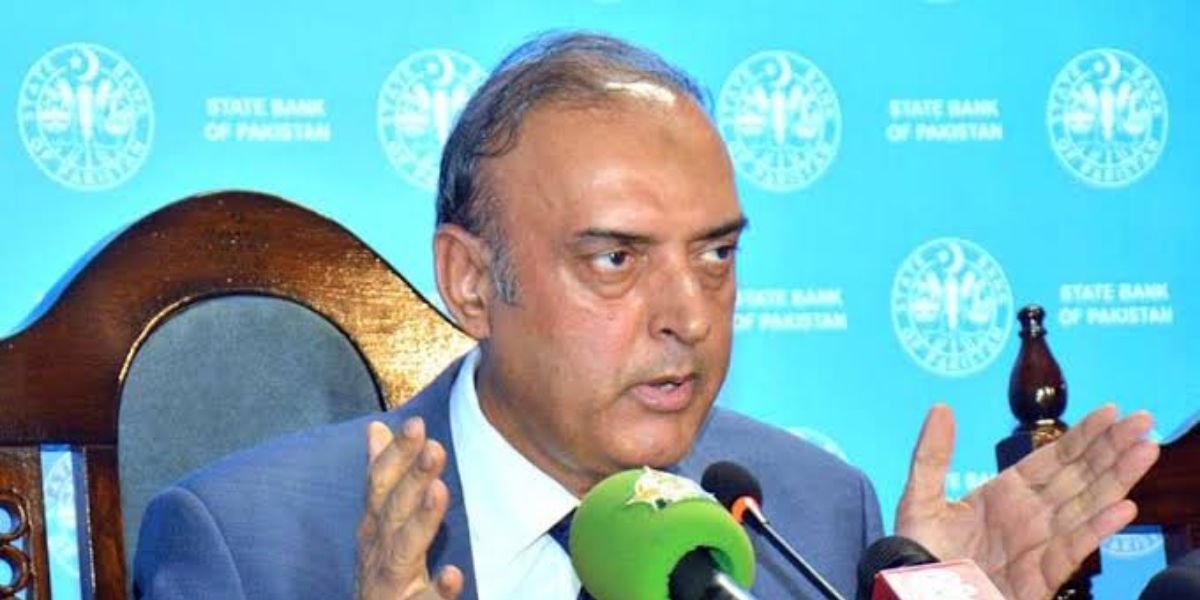
ISLAMABAD: Pakistan’s financial inclusion rate has climbed to 71%, while the gender gap in access to financial services has narrowed to 27%, State Bank of Pakistan (SBP) Governor Jameel Ahmad announced on Tuesday, highlighting the country’s progress towards a more inclusive financial system.
Speaking at the inaugural session of a four-day joint learning programme organised by the SBP and the Alliance for Financial Inclusion (AFI) in Islamabad, Ahmad stressed the importance of expanding climate finance to women, smallholder farmers and small businesses, particularly those vulnerable to the effects of climate change.
Pakistan’s Financial Inclusion Must Address Climate Risks
The SBP governor said climate change and financial exclusion were closely interconnected, as communities most exposed to environmental risks often had limited access to insurance, savings and formal financial services.
He emphasised that climate finance should go beyond supporting environmentally friendly investments and help vulnerable communities anticipate disasters, strengthen their resilience and adapt to changing climate conditions.
Referring to the devastating 2022 floods, Ahmad said the disaster caused nearly $15 billion in physical damage and another $15 billion in economic losses. More than 30 million people were affected, while approximately 2.2 million homes were damaged.
He said these losses demonstrated the urgent need for a financial system that combines environmental sustainability with wider access to financial services.
SBP Shares Green Finance Framework with International Regulators
Ahmad said Pakistan was sharing its Green Taxonomy and climate risk framework with regulators across the AFI network.
He highlighted several initiatives introduced by the central bank, including Green Banking Guidelines in 2017, the Environmental and Social Risk Management Framework in 2022, the Pakistan Green Taxonomy and regulations addressing climate-related financial risks.
He also referred to the Climate Stress Testing Guidelines issued in December 2025, which enable financial institutions to assess their exposure to climate-related shocks.
Focus on Women’s Financial Inclusion
Highlighting efforts to improve women’s access to finance, the governor cited the Pakistan Women Inclusive Finance Programme, supported by the Asian Development Bank.
He added that Pakistan joined the Women Entrepreneurs Finance Code in 2025, with the SBP serving as the anchor institution for the country’s financial industry.
The governor also outlined Pakistan’s work under AFI’s four pillars: Promotion, Provision, Protection and Prevention. These initiatives aim to support underserved communities, strengthen women’s financial resilience, promote sustainable economic activities and help financial institutions manage climate-related risks.
International Programme Brings 24 Countries Together
The four-day programme has brought together 38 representatives of central banks and financial regulators from 24 countries across four continents. It is being held in Pakistan for the first time and aims to help participating institutions turn inclusive green finance policies into practical measures.
Participants will exchange experiences on climate-smart agriculture, inclusive green finance and challenges in policy implementation, including gender-related barriers.
Also Read: US Midterm Elections Enter Decisive Phase as Polls Close, Trump Faces Political Test
AFI Director of Strategy, Member Engagement and Evaluation Aban Haq and World Bank Operations Manager Lasse Melgaard also addressed the inaugural session, emphasising international cooperation and knowledge-sharing.
Ahmad said the effectiveness of any policy framework should ultimately be judged by its implementation and its impact on people’s lives.