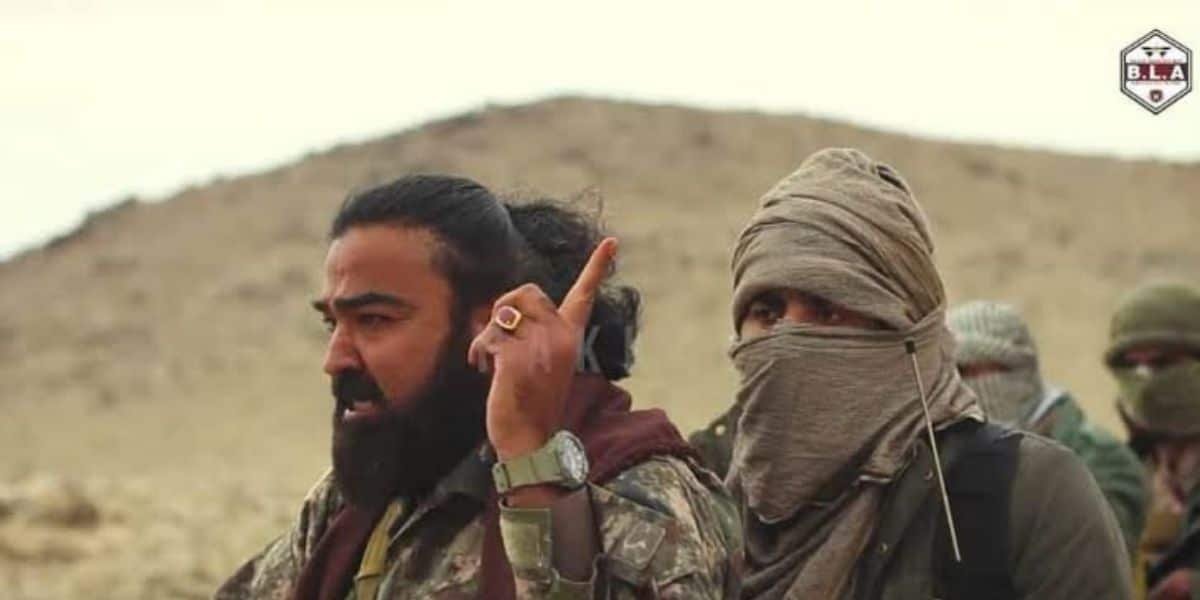
QUETTA: The collapse of Fitna al-Hindustan (FAH) militant organizations under sustained counterterrorism pressure is a recurring theme in modern security history. From the disintegration of ZIPRA in the late 1970s following the loss of its key commanders, to the precipitous decline of Peru’s Shining Path after the 1992 capture of Abimael Guzmán, history demonstrates that centralized insurgencies built around fragile leadership structures are ill-equipped to withstand coordinated state pressure.
This structural vulnerability is currently manifesting within the Baloch Liberation Army (BLA) under the command of Indian sponsored Bashir Zeb. Dogged by strategic miscalculations, heavy personnel attrition, and internal power struggles, the group faces an accelerating operational decline.
Strategic Collapse and Attrition: Pakistani Forces Deliver Major Blow to BLA
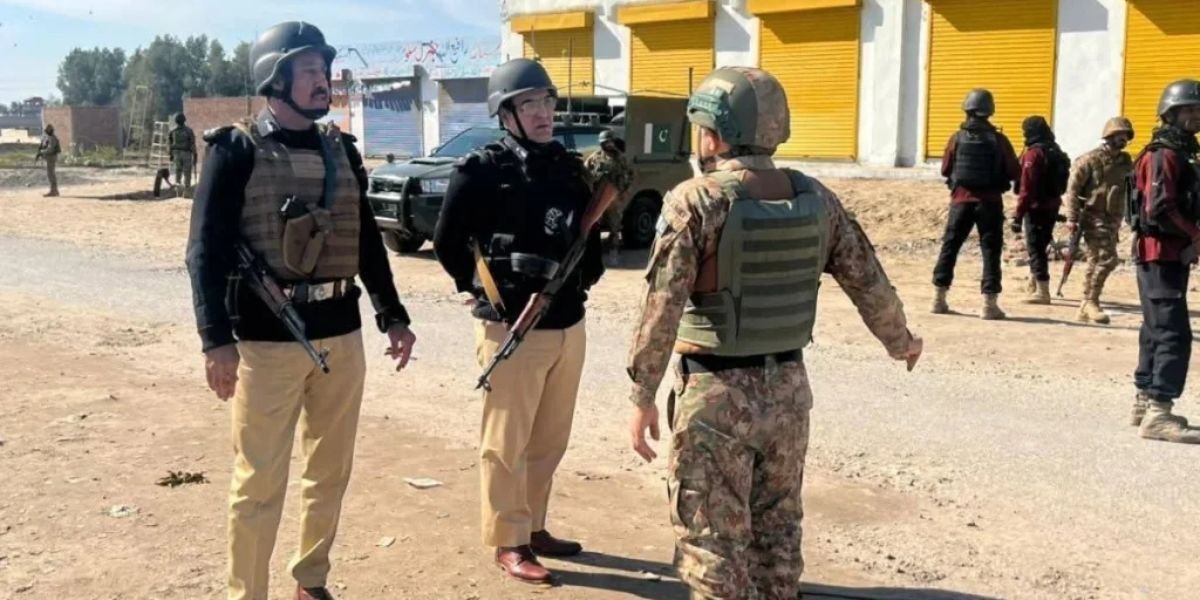
The turning point in the BLA’s recent trajectory stems from the failure of its heavily hyped “Operation Herof 2” in late January 2026. Billed by the group as a major offensive, the operation fundamentally miscalculated the technological and tactical superiority of Pakistani security forces. Exposed by advanced intelligence and aerial surveillance, BLA formations suffered severe casualties.
While initial retaliatory responses and tracking sources reported substantial militant casualties—with cumulative estimates surpassing 1,000 neutralized terrorists by late 2026—ongoing intelligence-based operations such as Radd-ul-Fitna 3 systematically dismantled the group’s logistics and safe havens. The widening gap between the BLA’s grandiose propaganda and its tactical reality exposed a diminished network incapable of sustaining its operational tempo.
Exploitation of Vulnerable Populations and Propaganda Tactics
As operational setbacks mounted, the BLA increasingly resorted to desperate measures to maintain relevance. Security analyses highlight the cynical exploitation of vulnerable individuals, including the deployment of women as suicide bombers such as Asifa Mengal during the January wave for high-profile strikes designed purely for propaganda value.
Concurrently, the group’s campaign of violence disproportionately targeted ordinary Baloch civilians rather than legitimate security installations. This indiscriminate violence heavily eroded whatever ideological backing the group claimed, alienating the local populace it purported to represent and laying bare the self-serving nature of its insurgency.
Leadership Flux and Internal Friction
Compounding these tactical failures is a severe leadership crisis at the helm of the organization. Heavy cumulative losses from January through October triggered intense internal criticism regarding the disastrous strategy behind Operation Herof 2.
Reports of Bashir Zeb’s mid-year removal—allegedly stemming from internal factional disputes and poisoning—rekindled classic leadership-flux vulnerabilities. Much like historical insurgencies that fractured in the absence of a clear succession plan, the BLA now suffers from command friction and paralysis.
Also Read: Bomb Threats Disrupt Air Travel Across Europe, Heathrow and Birmingham Airports Also Targeted
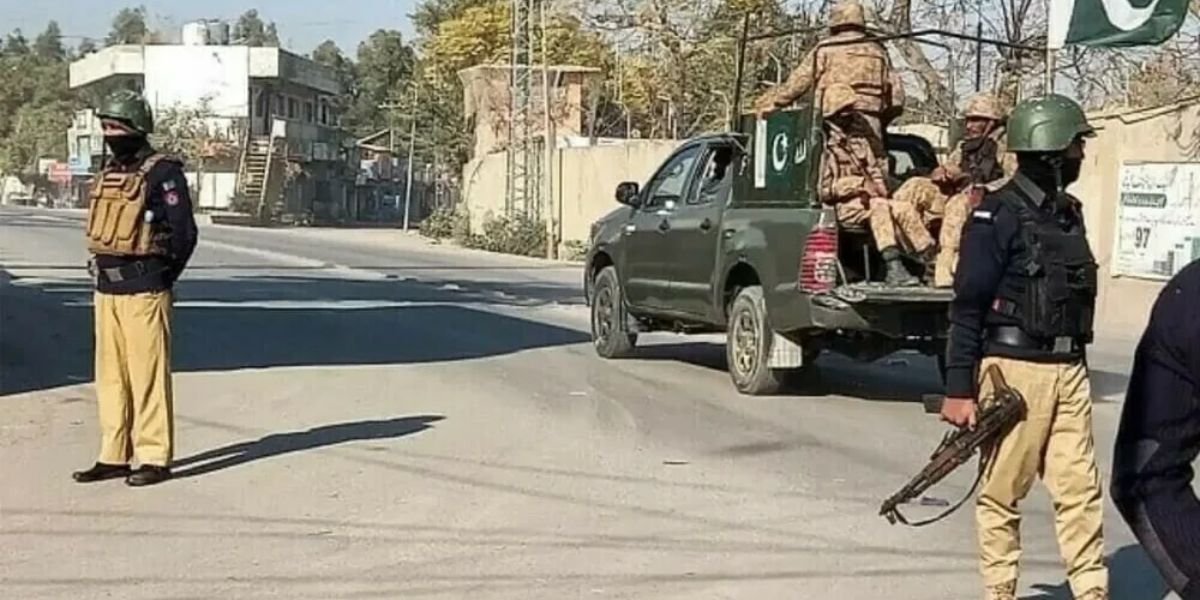
As Pakistani security forces maintain relentless pressure on the ground, the combination of leadership decapitation, strategic exhaustion, and total rejection by the local population underscores the systemic unraveling of the BLA as an effective militant threat.