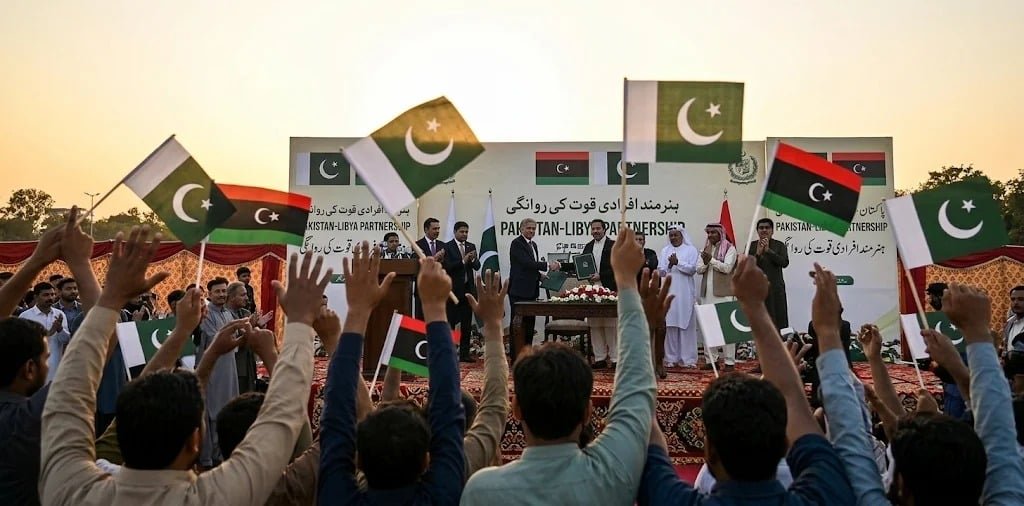
ISLAMABAD: Libya has open gateways for thousands of jobs opportunities for Pakistanis.
According to the details, In a major breakthrough for Pakistanis seeking overseas employment, Islamabad and Tripoli have restored bilateral labor cooperation after a ten-year hiatus, paving the way to send 100,000 Pakistani skilled workers to Libya starting next year.
Key Sectors and Recruitment Roadmap
According to official sources at the Ministry of Overseas Pakistanis and Human Resource Development, subordinate bodies of the ministry have held four rounds of high-level meetings with the Libyan Ambassador to Pakistan to finalize the framework.
Negotiations between Pakistani and Libyan authorities have entered the final stages, with formal recruitment and visa processing mechanisms set to be rolled out immediately upon signing the bilateral agreement.
Libya’s post-conflict reconstruction and economic revitalization have created urgent demand across multiple core industries:
Falisha Manpower
- Construction and Infrastructure: Masons, electricians, plumbers, steel fixers, and technical laborers.
Falisha Manpower
- Healthcare and Hospitality: Trained medical staff and experienced hotel industry professionals.
- Energy and Technology: Engineers, technicians for the oil and gas sector, and information technology (IT) specialists.
Officials confirmed that certified and trained personnel in construction, healthcare, and hospitality will receive priority placement, with monthly salary packages for IT experts, electricians, plumbers, masons, and other specialized trades expected to reach hundreds of thousands of Pakistani rupees.
Pakistan and Libya Financial and Defence Cooperation
Beyond labor mobility, Pakistan and Libya share longstanding historical, diplomatic, and strategic ties that have gained renewed momentum in recent years.
Financially, bilateral engagement has historically centered on joint economic commissions, banking ventures such as the Pak-Libya Holding Company, and trade facilitation aimed at leveraging Libya’s hydrocarbon wealth alongside Pakistan’s agricultural, textile, and pharmaceutical exports.
Sustained remittances from the Pakistani diaspora in North Africa also represent an important pillar of financial connectivity between the two countries.
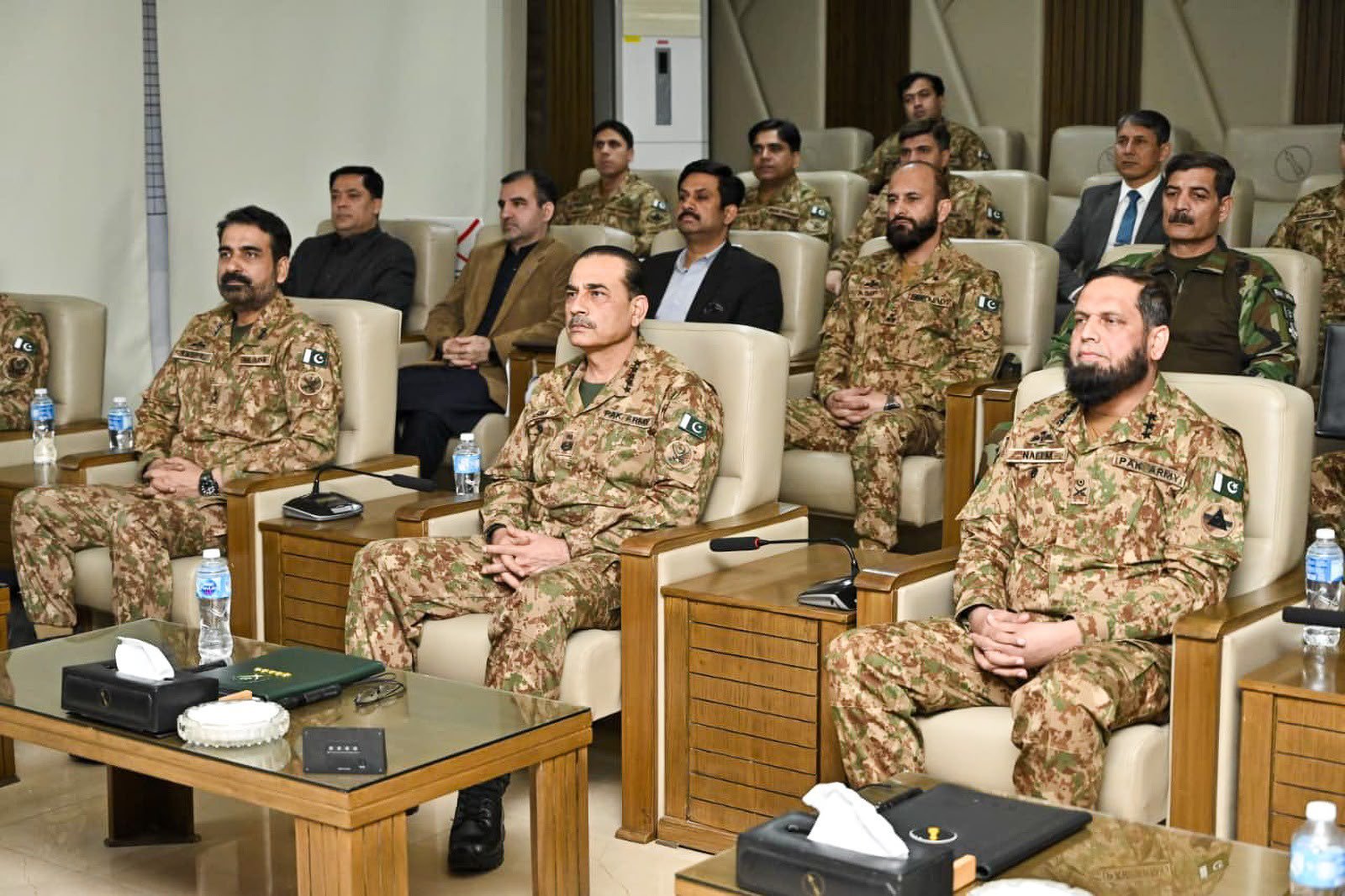
On the defence front, cooperation spans military training, technical advisory exchanges, and defence industry exports.
Notably, bilateral defence ties expanded significantly following a landmark multi-billion-dollar military equipment agreement encompassing land, naval, and air platforms, including JF-17 fighter aircraft.
Together, deepening defence partnerships and revived economic corridors underscore a broader strategic convergence between Islamabad and Libyan stakeholders.
ALSO READ: Recruitment Begins for 5,000 Federal Jobs for Balochistan Youth
As formal recruitment channels open in the coming months, the deployment of 100,000 Pakistani skilled workers to Libya promises to boost foreign remittances while supporting Libya’s national rebuilding efforts.