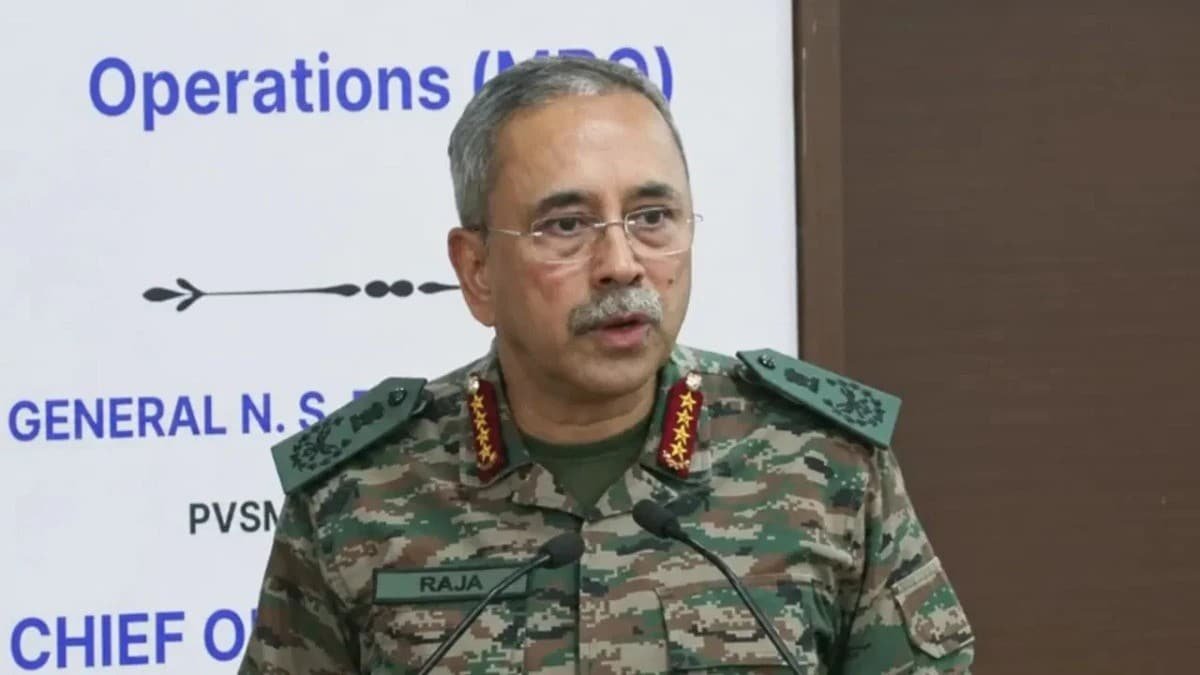
NEW DELHI: India’s top military leadership has expressed concern over Pakistan’s expanding space capabilities, acknowledging that Islamabad’s growing technological cooperation with China and Türkiye could influence the regional defence balance.
India’s Chief of Defence Staff (CDS) has reportedly highlighted Pakistan’s improving capabilities in space-based intelligence, surveillance and reconnaissance (ISR), suggesting that these developments could present additional challenges for Indian defence planning.
One of the most notable aspects of the Indian defence chief’s remarks was his assessment of Pakistan’s potential intelligence and surveillance capabilities.
The statement reflects growing Indian attention towards Pakistan’s ability to enhance its intelligence-gathering and surveillance systems.
The space-based technologies can provide military forces with valuable information, including satellite imagery, geographical intelligence and improved situational awareness.
Such capabilities can play an important role in modern military operations by supporting decision-making, monitoring strategic developments and improving operational coordination.
Pakistan’s expanding technological engagement with China and Türkiye has become an important element in discussions about its long-term space ambitions.
China has developed an advanced space programme and has experience in satellite technology, launch systems and space-based applications.
Türkiye, meanwhile, has been investing in its defence and aerospace sectors, including satellite development and related technologies.
Cooperation with international partners can potentially help Pakistan strengthen its technological expertise, improve satellite applications and expand its capabilities in areas relevant to national security.
However, the precise extent of such cooperation and its direct impact on Pakistan’s military space capabilities would depend on specific projects, technological transfers and operational developments.
Pakistan’s growing interest in space technology reflects the increasing importance of satellites in modern defence and security planning.
In this regard, the satellite-based communication, navigation, weather monitoring and Earth observation have become essential components of contemporary national infrastructure.
For Pakistan, further development in these areas could improve its ability to monitor geographical developments, strengthen communications and support various civilian and strategic requirements.
The potential improvement of space-based intelligence and surveillance systems is particularly significant because modern defence strategies increasingly depend on accurate and timely information.
Changing Regional Defence Calculations
India’s reported assessment highlights how technological developments are becoming an increasingly important factor in South Asia’s security environment.
As both countries continue to modernise their defence capabilities, advancements in satellite technology, intelligence systems and surveillance infrastructure are likely to remain significant considerations.
ALSO READ: When will Pakistan observe Ramadan? SUPARCO Predicts
The Indian defence leadership’s reported remarks indicate that Islamabad’s technological progress is receiving attention at the highest levels of India’s military establishment.
The evolving situation suggests that space technology is becoming another important dimension of regional strategic competition, with developments in Pakistan’s space sector potentially influencing future defence calculations.