PESHAWAR: Khyber Pakhtunkhwa’s provincial Apex Committee is set to review security arrangements in 12 sensitive districts on Monday, with the possible deployment of troops among the key issues expected to come under discussion as the federal government moves to restore order in the terrorism-hit province.
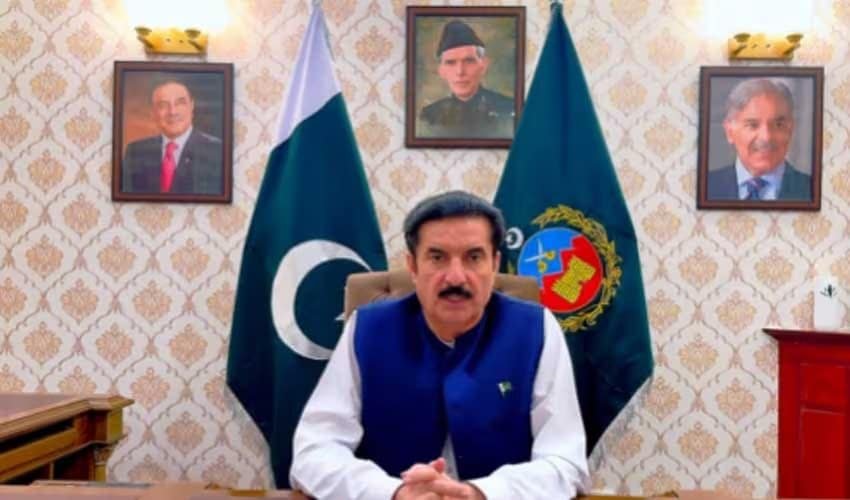
Governor Faisal Karim Kundi has convened the meeting, which he is expected to chair. Federal Interior Minister Mohsin Naqvi and senior military officials are also expected to attend, according to Dunya News.
Officials are expected to discuss the security situation in the 12 districts and consider additional measures to counter militancy. However, no decision on troop deployment had been announced ahead of the meeting.
The meeting follows the federal government’s imposition of governor’s rule and a state of emergency in Khyber Pakhtunkhwa, a move approved by President Asif Ali Zardari on Sunday after the federal cabinet’s approval, according to the supplied report.
Governor vows action against militancy
Speaking at the first meeting of an 11-member advisory council formed to assist in running provincial affairs under governor’s rule, Kundi said restoring peace was the government’s foremost priority, followed by development and other public needs.
He acknowledged the challenges facing the province and urged the council to discharge its responsibilities effectively. He also pledged extraordinary measures to restore law and order, strengthen administration and accelerate government work.
Kundi said the province had paid a heavy price in the fight against terrorism. Its people, particularly the Pashtun population, had endured immense suffering and deserved lasting peace, he added.
He pledged to provide the police with the resources they needed to combat militancy. The government would also strengthen the writ of the state in affected districts and pursue terrorists and their facilitators, he said.
The governor further promised a zero-tolerance policy towards corruption and called for the effective implementation of the National Action Plan (NAP), Pakistan’s counterterrorism framework.
He urged officials to adopt successful practices from other provinces where appropriate and called for collective efforts to restore peace and promote prosperity.
Advisory council tasked with overseeing provincial affairs
The security meeting comes as the newly formed advisory council begins assisting the governor in managing provincial affairs following the imposition of governor’s rule and emergency measures.
The 11-member council brings together former senior officials, technical experts and political figures. It will advise on public service delivery, administrative transparency and development projects.
According to the government notification, former Federal Board of Revenue chairman Tariq Mahmood Pasha will oversee finance and revenue, while former FBR chairman Dr Muhammad Irshad will handle industry and commerce.
Retired Lieutenant General Nigar Johar Khan, a former surgeon general of the Pakistan Army, has been assigned health. Senator Usman Saifullah Khan will oversee energy, planning and development.
Former caretaker minister Dr Syed Aamir Abdullah will handle education, while former advocate general Aamir Javed will oversee law and parliamentary affairs.
Former Awami National Party information secretary Samar Haroon Bilour will be responsible for information and broadcasting. Maulana Muhammad Tayyab Qureshi, the province’s chief cleric, will oversee auqaf and religious affairs.
Former inspector general of prisons Kifayatullah Khan has been assigned home and tribal affairs. Economist Dr Sarfaraz Ali Shah will oversee minerals, while former caretaker minister Asif Rafiq Afridi will handle local government, transport and communications.
Federal Information Minister Attaullah Tarar welcomed the appointments, describing the council members as experienced professionals with expertise in their respective fields. He said the selections had been made on merit and represented the province’s capabilities.
Security and governance under scrutiny
The apex committee’s deliberations will test the government’s approach to tackling militancy while maintaining essential public services and advancing development in the province.
Kundi has pledged to strengthen policing, enforce the National Action Plan and restore state authority in areas affected by terrorism. The proposed security measures, including any decision on deploying troops, will become clearer after the committee meeting.
The government has yet to announce the meeting’s outcome or specify which additional measures, if any, will be approved.