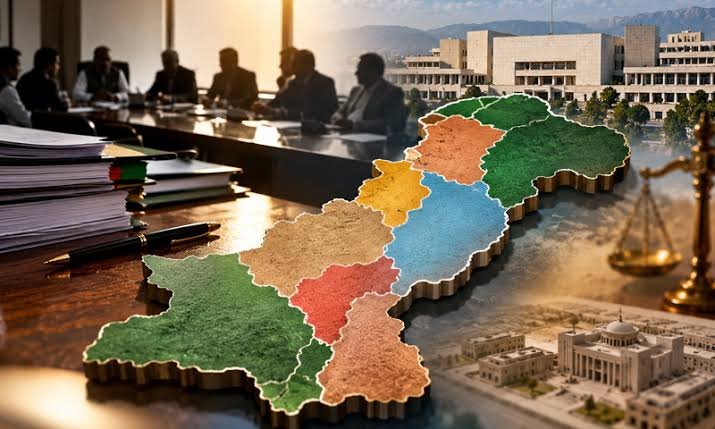
LAHORE: President Asif Ali Zardari and Prime Minister Shehbaz Sharif have agreed that any proposal to create new provinces or administrative units in Pakistan must strictly follow constitutional procedures, with parliament retaining the authority to decide whether a referendum should be held on the issue.
The understanding was reached during a meeting between the two leaders at the prime minister’s residence in Model Town, Lahore, amid renewed political debate over the creation of additional provinces and a proposal to seek public opinion through a referendum.
In this regard, both leaders agreed that parliament could not be bypassed in deciding whether a referendum should take place or determining the questions to be presented to the public.
The sources said the parliamentary majority would decide whether the referendum was necessary and what its contents should be.
They emphasised that no progress could be made without parliamentary consensus and constitutional approval.
President Zardari was accompanied by former prime minister Raja Pervez Ashraf and Senator Saleem Mandviwalla.
Several senior government figures, including Law Minister Azam Nazeer Tarar, Rana Sanaullah and National Assembly Speaker Ayaz Sadiq, also attended the meeting.
During the discussion, President Zardari reiterated the Pakistan Peoples Party’s position against dividing Sindh into separate provinces.
He referred to a unanimous resolution passed by the Sindh Assembly opposing the creation of additional provinces through the division of the existing province.
PPP Chairman Bilawal Bhutto-Zardari, Sindh Chief Minister Murad Ali Shah and other senior party leaders have repeatedly maintained that dividing Sindh is unacceptable to their party, both politically and legally.
The latest understanding indicates that the PPP is not prepared to compromise on its position regarding Sindh’s territorial integrity.
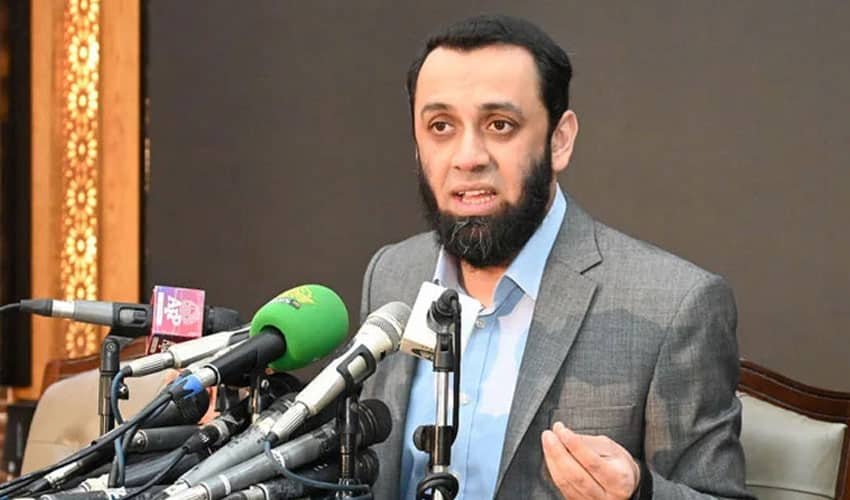
The meeting took place two days after Interior Minister Mohsin Naqvi proposed holding a referendum to determine public opinion about creating new provinces or administrative units.
Naqvi argued that a public vote could help settle the long-running debate and assured political parties that they would be consulted before any final decision.
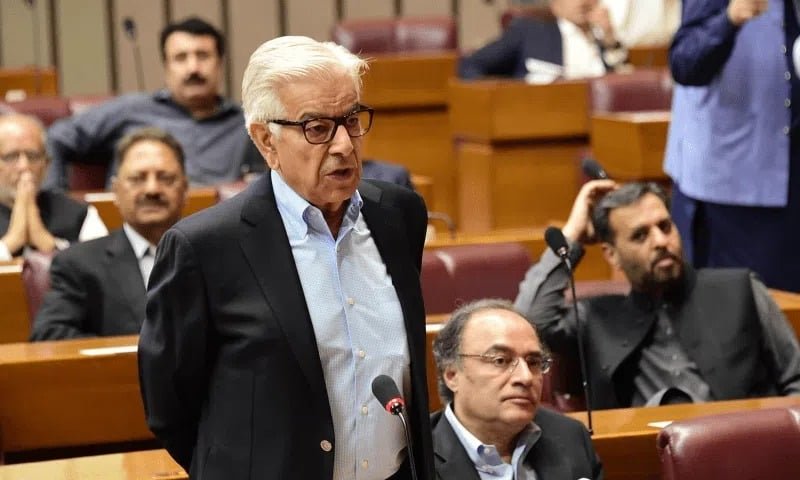
Meanwhile, Defence Minister Khawaja Asif recently suggested that Pakistan could potentially have as many as 12 provinces if administrative efficiency, rather than ethnic, linguistic or political considerations, guided the process.
He argued that smaller administrative units could improve governance and public service delivery in response to the country’s growing population.
However, the Pakistan Muslim League-Nawaz has not yet announced a formal policy on the proposal.
The situation surrounding incarcerated PTI founder Imran Khan was also discussed. According to the sources, his recent meeting with lawyers and the release of his two sisters from jail were not connected to any particular behind-the-scenes political development.
Leaders Reaffirm Coalition Cooperation
They emphasised coordination among coalition partners, continued consultation and cooperation to strengthen economic stability and accelerate development.
Prime Minister Shehbaz also briefed President Zardari on his recent visit to Turkiye, where he participated in the 31st Conference of the Parties (COP31) and highlighted Pakistan’s climate initiatives.
ALSO READ: What Is Cooking Between Zardari and Shehbaz? High-Level Meeting Sparks Political Attention
Although the official statement did not specifically mention the proposed referendum or the creation of new provinces, both leaders reaffirmed their commitment to working together on national priorities and public welfare initiatives.