Pakistan is pursuing a long-term strategy to modernise and expand its air combat capabilities, with a combination of Chinese, Turkish and indigenous fighter programmes expected to shape the Pakistan Air Force (PAF) over the coming decade.
At the centre of the reported transformation is the possible acquisition of China’s J-35 fifth-generation stealth fighter. Pakistan officially confirmed in June 2025 that China had offered the country J-35 aircraft, alongside KJ-500 airborne early warning and control aircraft and HQ-19 air-defence systems. However, specific delivery dates and the exact number of aircraft to be inducted have not been officially confirmed.
The J-35A is a land-based version of China’s emerging fifth-generation fighter family and is designed around stealth and advanced multirole capabilities. Its potential induction would represent a significant technological shift for the PAF.
Pakistan is also exploring deeper participation in Türkiye’s KAAN fifth-generation fighter programme. Turkish officials said in 2026 that nearly 200 Pakistani engineers and officials were already involved in the project, while discussions were expected over Pakistan’s possible formal participation.
The involvement of Pakistani engineers could eventually provide opportunities for greater technical cooperation, aerospace expertise and potentially expanded industrial participation.
The extent of any future local production or manufacturing arrangement, however, remains dependent on formal agreements.
Pakistan is pursuing longer-term ambitions for an indigenous next-generation fighter, commonly referred to as the PF-X.
The programme is expected to focus on developing domestic aerospace capabilities and reducing long-term dependence on imported combat aircraft.
A projected maiden flight around 2029–30 has been discussed in reports, although the timeline should be regarded as a target rather than a confirmed delivery milestone.
J-10C and JF-17 to Provide Near-Term Strength
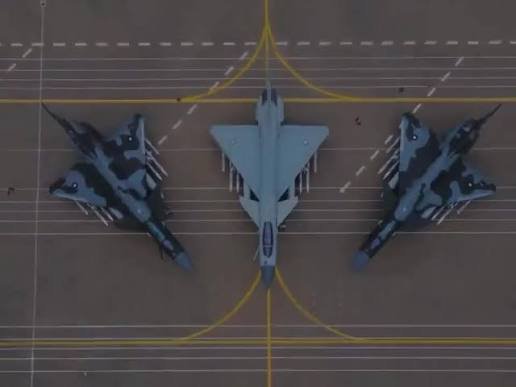
In the immediate term, additional J-10C fighters and upgraded JF-17 Thunder aircraft are expected to remain important elements of the PAF’s modernisation strategy. The PAF’s own timeline records 20 J-10Cs delivered from an order of 36, while the JF-17 Block III features AESA radar, upgraded avionics and enhanced electronic-warfare capabilities.
ALSO READ: PM Shehbaz Hails PAF for Defending Pakistan’s Airspace
Taken together, these programmes indicate a layered approach to Pakistan’s future air power: modern 4+ generation fighters for near-term requirements, potential fifth-generation aircraft for advanced capabilities, and longer-term investment in domestic aerospace development.