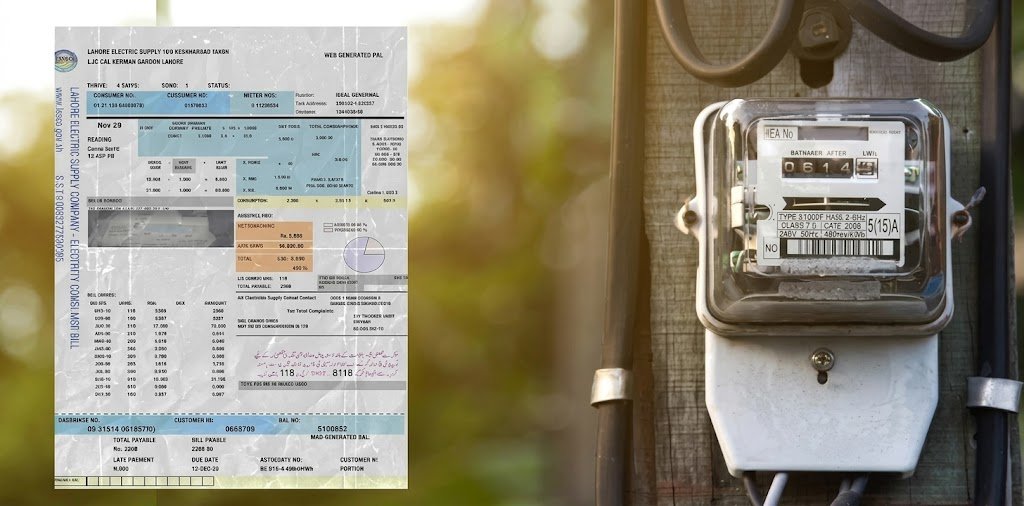
ISLAMABAD: Electricity prices are expected to hike across Pakistan in the coming year.
According to the sources, electricity consumers in Pakistan are likely to face continued financial pressure next year as the Central Power Purchasing Agency (CPPA) has proposed a new electricity tariff of Rs 27.30 per unit starting January 1, 2027.
The proposal was formally submitted by CPPA to the National Electric Power Regulatory Authority (NEPRA) as part of its power purchase petition for the calendar year 2027.
According to the petition, the total power procurement cost for 2027 is estimated at Rs 3,439 billion. A major chunk of this amount—Rs 1,914 billion—will be spent on capacity payments, while fuel costs for power generation are projected to exceed Rs 1,200 billion.
Furthermore, over Rs 70 billion has been allocated for operation and maintenance costs, and more than Rs 248 billion will go toward transmission charges.
Under the primary petition, the new electricity tariff of Rs 27.30 per unit is expected to take effect from January 1, 2027.
CPPA has submitted a total of six different proposals to NEPRA, including an ideal scenario where the unit price could be set at Rs 25.88.
NEPRA has scheduled a public hearing on November 2 to review the proposals and determine the final average national rate.
Officials indicate that the approval of this new electricity tariff of Rs 27.30 per unit will shape the base utility structure for millions of consumers across the country.
Electricity Prices in Pakistan Over the Past Five Years: Over the past five years (2021–2026), Pakistan’s power sector has experienced unprecedented tariff hikes driven by fuel price volatility, rupee depreciation, and mounting capacity payments.
Between 2021 and 2023, the baseline power tariff doubled from approximately Rs 15–18 per unit to over Rs 30 per unit for mid-to-high consumption tiers.
By 2024–2026, annual rebasing and frequent quarterly tariff adjustments pushed national average benchmark rates past Rs 33 per unit, with peak residential slabs reaching up to Rs 47 per unit excluding taxes and surcharges.
The main structural trigger behind this persistent surge has been capacity charges paid to Independent Power Producers (IPPs), which now constitute over 50% of the total power purchasing cost.
Coupled with imported fuel dependencies (coal, LNG, and furnace oil) and circular debt surpassing Rs 2.3 trillion, the government has continually passed generation inefficiencies directly onto consumers.
While protective slabs and lifeline subsidies offer temporary relief to low-income households, the broader economic impact has strained domestic budgets and eroded industrial competitiveness nationwide.
ALSO READ: Potential Per Unit Hike in Electricity Tariff Expected Across Pakistan
As NEPRA reviews the upcoming proposal for the new electricity tariff of Rs 27.30 per unit, stabilizing generation costs and reforming power purchase agreements remain critical priorities for long-term energy sustainability.