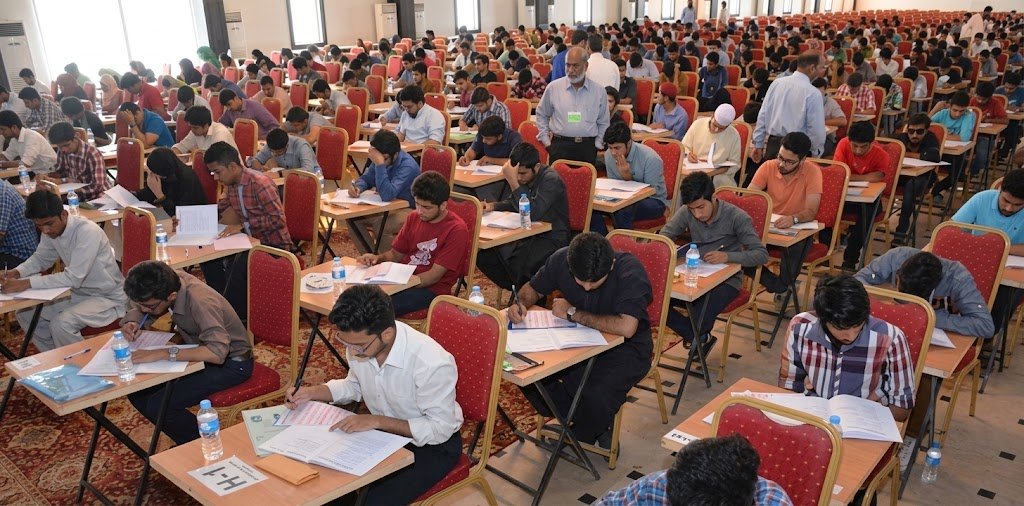
KARACHI: In a major move aimed at facilitating competitive examination candidates across the province, the Sindh Cabinet has officially approved the Sindh Public Service Commission reform package to relax candidate eligibility criteria and modernize testing mechanisms.
The decision was taken during a provincial cabinet meeting chaired by Sindh Chief Minister Syed Murad Ali Shah at the CM House.
Under the newly approved Sindh Public Service Commission reform package, the provincial government has raised the upper age limit for candidates appearing in the Combined Competitive Examination (CCE) from 30 to 33 years.
Furthermore, the maximum allowed attempts for CCE candidates have been increased from three to five, providing aspirants with expanded opportunities to secure civil service positions.
In addition to eligibility relaxations, the provincial cabinet approved a reduction in the passing threshold for CCE 2026, lowering the minimum passing marks from 40% to 33%.
To ensure transparency and speed up evaluation processes, the administration announced the introduction of computerized testing for all single-paper examinations.
Officials emphasize that implementing this comprehensive Sindh Public Service Commission reform package will make the recruitment process more inclusive, modern, and accessible for youth across Sindh.
Editor’s Note & Analytical Perspective
Note on the Implications of the SPSC Reforms: The Sindh Cabinet’s approval of these SPSC structural changes marks a critical shift in provincial administrative governance and youth employment strategy.
By expanding candidate eligibility—most notably through raising the age limit to 33 years and increasing exam attempts from three to five—the government acknowledges the growing socio-economic pressures, employment lags, and academic delays faced by young graduates today.
This decision aligns Sindh’s public recruitment framework with modern administrative realities, ensuring that qualified individuals who previously aged out or exhausted their attempts get a fair chance to serve in public administration.
Lowering the passing threshold for CCE 2026 from 40% to 33% aims to broaden the success pool; however, it also sparks an essential debate on maintaining quality standards in public office.
While critics argue that lowering benchmarks could compromise administrative excellence, proponents maintain that it creates an equitable playing field, particularly for candidates from rural areas with historically unequal access to educational resources.
Furthermore, the transition toward computerized testing for single-paper examinations is a commendable digital transformation step.
Automated testing minimizes human intervention, curbs procedural delays, and boosts overall public confidence in examination integrity.
Overall, the full implementation of this Sindh Public Service Commission reform package holds the potential to rebuild public trust, streamline public service efficiency, and empower thousands of hopeful civil service candidates across Sindh.