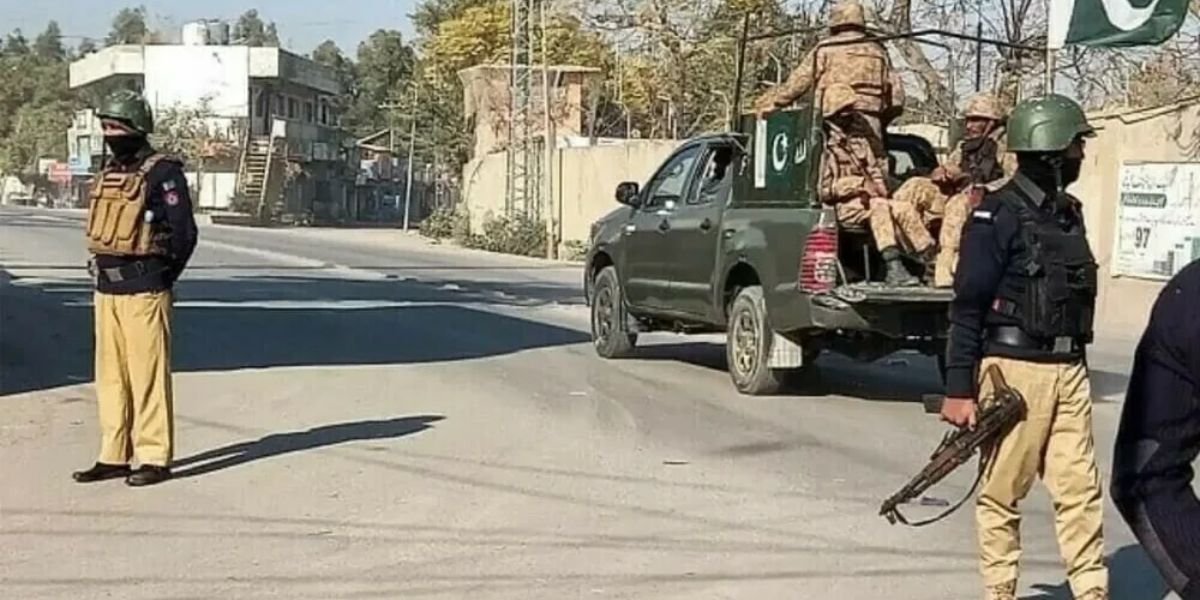
QILLA ABDULLAH: Government delegation arrives at Qila Abdullag for negotiation. According to the sourdes, A high-level provincial delegation arrived late at night to initiate direct negotiations with protesters in Qilla Abdullah, aiming to resolve the ongoing crisis and address local grievances peacefully.
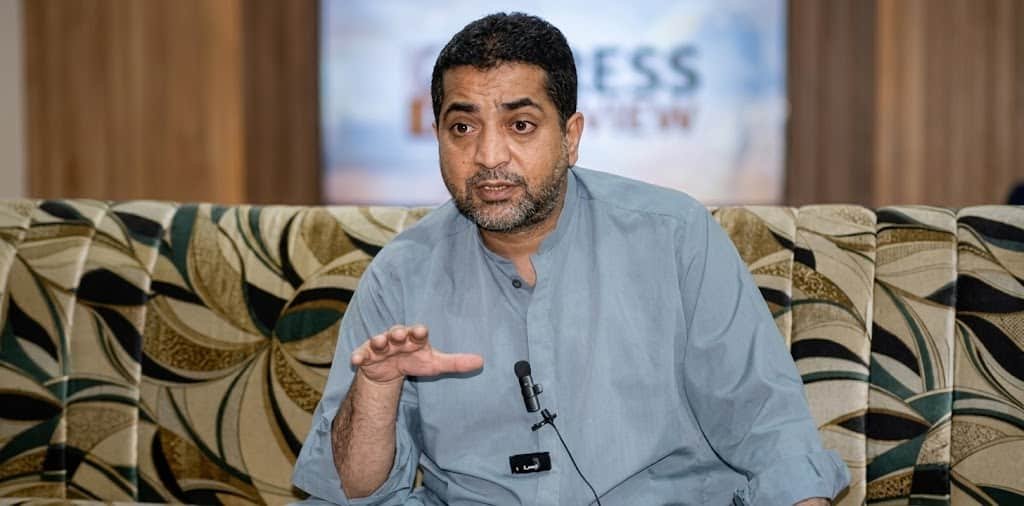
The delegation comprises key provincial ministers and lawmakers, including Provincial Home Minister Mir Ziaullah Lango, Health Minister Bakht Muhammad Kakar, MPA Asfandyar Kakar, MPA Zamrak Khan Achakzai, and Special Assistant to Chief Minister on Home Affairs Babar Yousafzai.
Upon arrival, the government representatives convened with tribal elders and demonstration leaders to establish a structured dialogue.
Officials emphasized that the provincial administration is committed to pursuing an amicable settlement, restoring public order, and resolving all legitimate demands through political reconciliation during these crucial negotiations with protesters in Qilla Abdullah.
Tribal and Lawmakers’ Efforts for Peace in Balochistan
The ongoing peace-building initiatives in Balochistan demonstrate the critical interplay between traditional tribal diplomacy and legislative governance.
Given the province’s unique socio-political fabric, long-term stability relies on strong engagement with tribal elders (Maliks and Miris), whose community influence bridges the gap between public grievances and state policy.
Lawmakers and provincial officials increasingly partner with tribal jirgas to de-escalate localized tensions, resolve land disputes, address security concerns, and build consensus around provincial development initiatives.
These collaborative mechanisms provide a transparent, culturally aligned platform for resolving public unrest and preventing minor disputes from expanding into major security challenges.
When administrative disputes or public protests arise, joint committees composed of elected representatives and respected tribal figures serve as crucial conduits for mediation.
By engaging community leaders directly in decision-making processes, the state reinforces democratic accountability while honoring traditional conflict-resolution systems.
Furthermore, these grassroots peace initiatives help foster socio-economic stability across border and rural districts.
ALSO READ: Qila Abdullah Sit-in Against Indian Proxy Groups Continues for Fifth Day
By maintaining open lines of communication, local lawmakers and tribal leaders actively pave the way for sustainable infrastructure development, improved healthcare access, educational expansion, and economic growth throughout Balochistan.