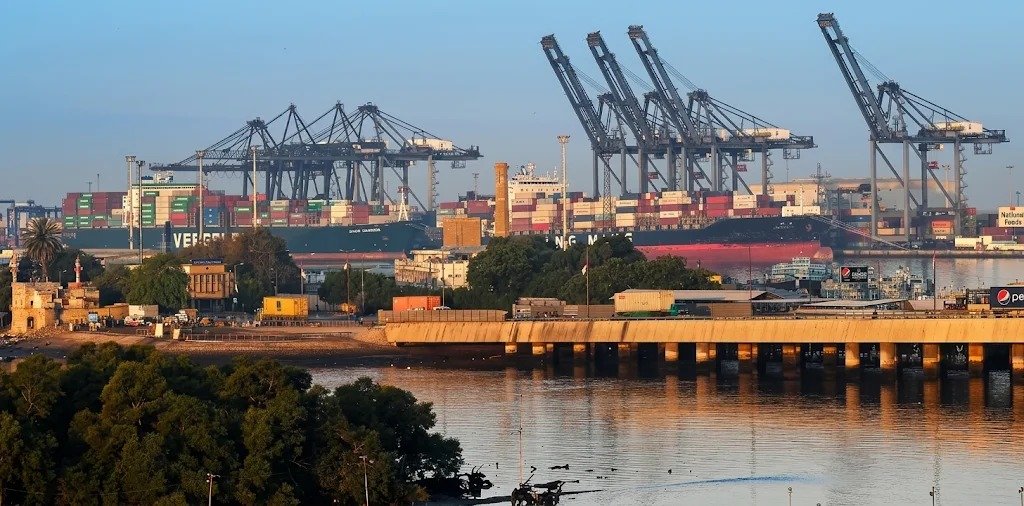
ISLAMABAD: India have called for the consular access to its 6 nationals in vessel docked at Karachi Port. According to the sources, the Government of India has formally requested the Government of Pakistan for immediate consular access to 6 Indian nationals on vessel currently docked at the Karachi Port.
The request comes as Pakistan has assured that the matter will be handled in strict accordance with established international diplomatic protocols and bilateral agreements.
According to diplomatic sources, the request by India regarding consular access to 6 Indian nationals on vessel will be processed under the relevant articles of the Vienna Convention on Consular Relations.
This convention mandates that foreign nationals detained by a host country are entitled to communicate with and be visited by their respective consular officers.
Pakistan has confirmed its intent to honor these provisions, ensuring that the necessary protocols and duress are followed as per its commitment to consular access to 6 Indian nationals on vessel based on its bilateral understandings with India.
The sources further clarified that the Pakistani authorities are currently completing the procedural requirements, and it is expected that the requested access to the Indian citizens on the vessel at Karachi Port will be facilitated shortly.
The broader landscape of prisoners and detainees between Pakistan and India is a complex and often distressing one.
For decades, numerous Indian and Pakistani nationals captured on either sides have found themselves caught in the intricate web of geopolitical tensions, border disputes, and rigid regulatory frameworks.
The numbers are dynamic, but hundreds, and often thousands, of individuals on both sides of the border are currently incarcerated, including fishermen who accidentally cross maritime borders, individuals who inadvertently stray across land borders, and those accused of more serious offenses like espionage or immigration violations.
The standard procedure for managing these cases relies on bilateral agreements. Per a 2008 agreement, both Pakistan and India are required to exchange lists of prisoners in their respective custodies twice a year, on January 1st and July 1st.
This process aims to ensure transparency and facilitate the eventual repatriation of these individuals.
However, the operational reality is often fraught with delays, political posturing, and slow legal processes, meaning that Indian and Pakistani nationals captured on either sides frequently face prolonged periods of detention, sometimes even after their sentences have been fully served.
Humanitarian organizations and civil society groups on both sides consistently advocate for a more compassionate approach, particularly for fishermen and accidental border crossers.
They emphasize the need for streamlined verification processes, regular consular access to 6 Indian nationals on vessel in situations like the Karachi port, and the prompt, unconditional release of individuals once their identities are confirmed and sentences completed.
Despite the persistent diplomatic frictions, the underlying humanitarian imperatives remain crucial, and the occasional mass releases of prisoners offer small glimmers of hope.
However, the road to a lasting and human-centric solution for the plight of Indian and Pakistani nationals captured on either sides remains heavily dependent on sustained political will and a commitment to genuine dialogue between Islamabad and New Delhi.
ALSO READ: US Sanctions Indian Companies Over Alleged Maritime Fraud Aiding Iranian Vessels
The timely provision of consular access to 6 Indian nationals on vessel in the current instance is viewed as a positive step in this context.