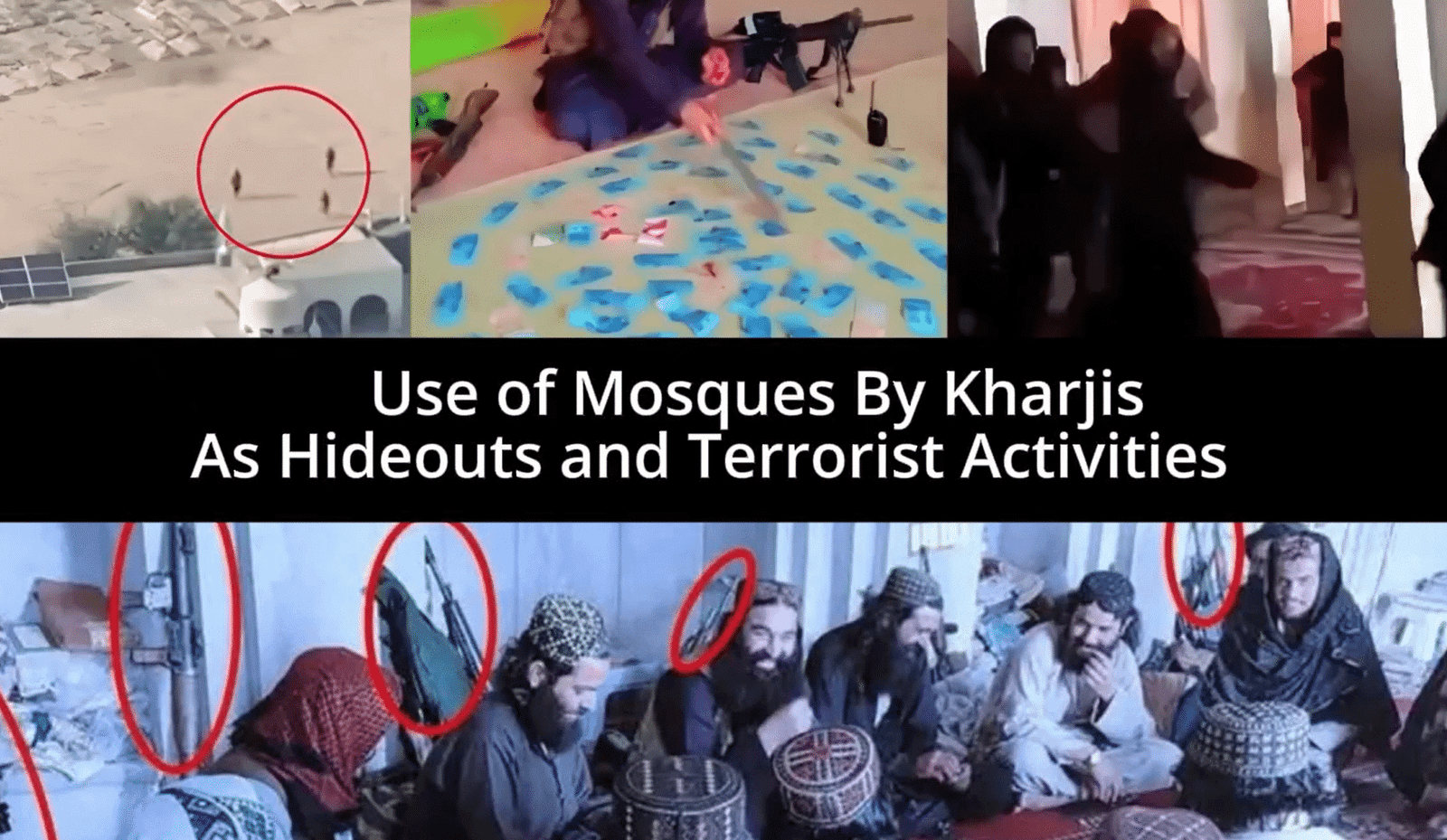
LAKKI MARWAT: The Allegations have resurfaced over the alleged misuse of mosques by FAK in different parts of Khyber Pakhtunkhwa (KPK), with concerns being raised about the group’s interpretation of Islam, treatment of religious scholars and local communities, and reported activities within religious places.
The group’s alleged interpretation of Islamic teachings has drawn criticism, with opponents arguing that its religious narrative contradicts the fundamental principles of Islam. Critics maintain that such practices are not new and accuse FAK of using force and intimidation to prevent religious scholars and local residents from challenging its activities.
The scholars and community members who disagree with the group’s practices have faced pressure and threats, creating an environment in which people may hesitate to express their religious and social concerns openly.
The alleged exploitation of mosques for activities unrelated to their religious purpose has emerged as another major concern.
Mosques hold a central position in Muslim communities, serving as places of worship, religious education, spiritual guidance and social unity.
Any alleged attempt to use these institutions for activities that undermine their religious purpose raises serious questions about the protection of their sanctity and independence.
The recent allegations concerning activities inside mosques in different parts of Khyber Pakhtunkhwa have further intensified concerns about the group’s conduct.
Critics argue that these incidents require closer examination, particularly regarding the nature of the activities, the individuals involved and their potential impact on local communities.
However, specific incidents should be independently verified, and the available evidence should be examined before reaching definitive conclusions.
Protecting Religious Institutions and Local Communities
The controversy highlights the importance of protecting religious institutions from intimidation, political exploitation and activities that could undermine community trust. Religious scholars and local residents should be able to express their views freely without fear of threats or violence.
Ensuring that mosques remain dedicated to worship, education and community welfare is essential for preserving religious harmony and public confidence.
ALSO READ: Major Blow to Khawarij: 16 Killed in North Waziristan
Authorities and relevant religious institutions should examine credible allegations, investigate reported incidents and ensure accountability wherever wrongdoing is established.