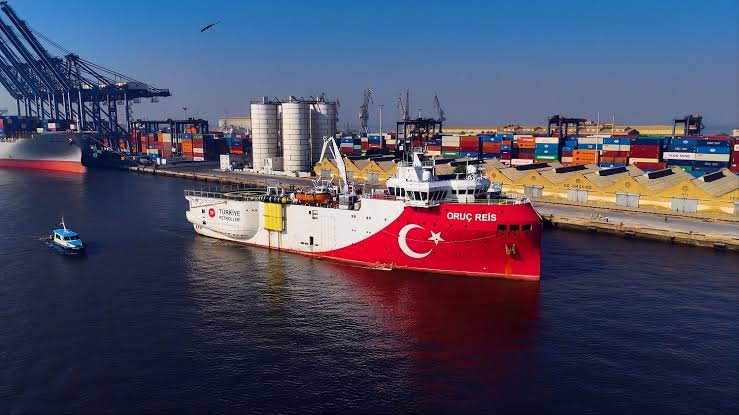
KARACHI: The arrival of the Oruc Reis research vessel at Karachi marks a pivotal milestone in scientific and strategic cooperation between Pakistan and Türkiye, as both nations launch a coordinated push into offshore oil and gas exploration across Pakistan’s maritime waters.
Strategic Partnership and Seismic Survey Plans
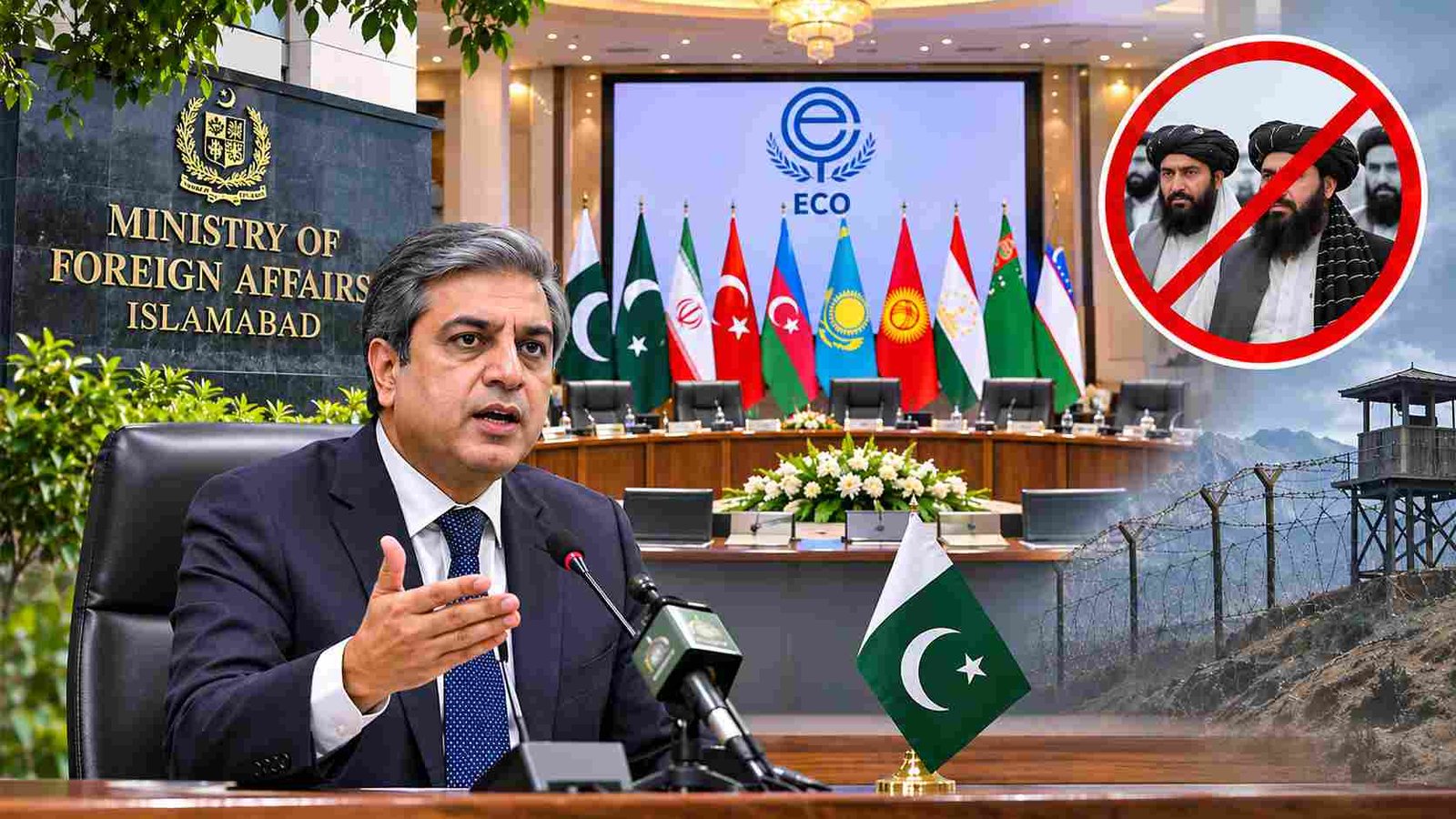
Addressing a welcoming ceremony at Karachi Port, Deputy Prime Minister Ishaq Dar characterized Türkiye’s technical support as a new strategic partnership.
He noted that while seismic surveying cannot guarantee a major hydrocarbon discovery on its own, no future commercial find is possible without it, urging stakeholders to view the mission within a broader national vision.
Federal Minister for Petroleum Ali Pervaiz Malik described the arrival of the Oruc Reis research vessel as a practical step toward deepening bilateral energy ties and reducing reliance on costly imported fuels.
During the ceremony, Ishaq Dar also presented a souvenir to Türkiye’s Minister of Energy and Natural Resources, Alparslan Bayraktar.
According to officials, the specialized seismic vessel will carry out a 3D seismic survey across 670 square kilometers in the Indus-C offshore block and a 2D seismic survey along 2,353 kilometers of survey lines off the Makran coast.
In addition, three Memorandums of Understanding (MoUs) were signed covering mineral exploration and energy cooperation, building on broader partnerships between Türkiye’s TPAO and Pakistani energy firms including OGDCL, PPL, and Mari Energies.
Oil and Gas Reserves in Pakistan
Pakistan’s energy landscape relies heavily on domestic hydrocarbons alongside significant imports of crude oil and refined petroleum products to meet industrial, transport, and power demands.
Historically, commercial natural gas production began in the 1950s with the discovery of the giant Sui gas field in Balochistan, followed by oil and gas discoveries across the Potwar Plateau in Punjab and the Lower Indus Basin in Sindh.
Key state-backed and private exploration and production companies—including Oil and Gas Development Company Limited (OGDCL), Pakistan Petroleum Limited (PPL), and Mari Energies—operate mature onshore fields that have long anchored domestic supply.
While onshore basins have supported decades of production, many legacy fields are maturing, prompting renewed focus on tight gas, exploratory onshore drilling, and underexplored offshore basins.
Pakistan’s offshore territory spans the Indus and Makran basins, where geological studies suggest substantial hydrocarbon potential despite limited historical drilling.
Successfully mapping subsurface structures through modern seismic imaging is a critical prerequisite before committing to high-cost offshore exploratory wells.
Any commercially viable discoveries resulting from current surveys could strengthen long-term energy security, ease pressure on foreign exchange reserves, and support industrial growth across the country.
ALSO READ: Pakistan Offers Saudi Arabia Tax-Free Oil Storage Facilities
With survey data set to guide potential drilling plans in 2027, the deployment of the Oruc Reis research vessel underscores Islamabad and Ankara’s shared commitment to unlocking maritime energy potential.