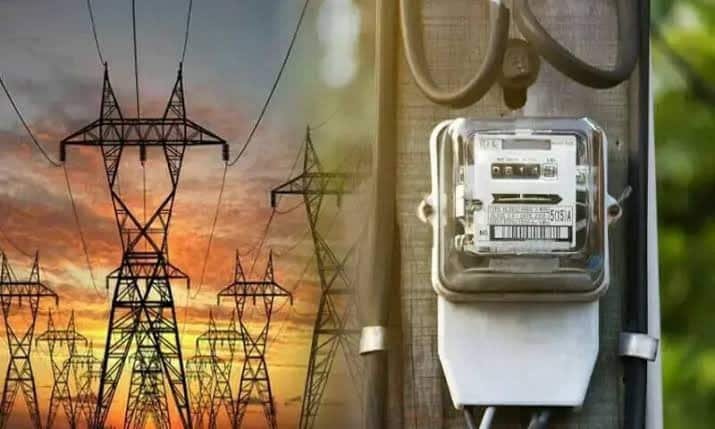
ISLAMABAD: The government vows to protect electricity users from extra fuel adjustment burden.
According to the details, the government decision to protect electricity consumers from extra fuel adjustment burden has been finalized, with a Power Division spokesperson announcing plans to set fuel cost adjustments for the October to December 2026 period.
Under the proposal, fuel adjustments will be stabilized over three months and capped at an increase of up to 83 paisas per unit, shielding consumers from sudden tariff volatility.
According to the spokesperson, the average national electricity tariff stood at Rs 53.04 per unit when the government took office in March 2024, and was reduced by Rs 8.76 to Rs 44.28 per unit by March 2026.
Over the same period, industrial electricity tariffs fell by Rs 18.49—from Rs 62.99 to Rs 44.50 per unit—even as global fuel prices rose due to the Iran-US conflict.
Between April and September 2026, consumers were spared an estimated Rs 6 to Rs 7 per unit in extra charges, with combined fuel and quarterly adjustments averaging Rs 2.38 per unit.
The spokesperson noted that lower hydropower generation in winter increases reliance on thermal power, whose share in generation can exceed 80 percent in certain winter months.
To address seasonal swings, the Power Division has proposed a new forward-looking fuel adjustment mechanism and will issue policy guidelines to NEPRA once approved, reinforcing the government decision to protect electricity consumers from extra fuel adjustment burden.
Ultimately, the government decision to protect electricity consumers from extra fuel adjustment burden aims to bring greater predictability to power bills.
Government Measures for Electricity Users
Authorities have rolled out several initiatives aimed at easing power costs and improving billing predictability for households and industries.
Key steps include lowering base and industrial tariffs over a multi-year window, absorbing sharp global fuel shocks to spare consumers from steep per-unit spikes, and fixing fuel adjustments across a three-month block rather than leaving bills exposed to abrupt monthly fluctuations.
Also Read: Electricity Prices Set to Rise by Rs2.88 Per Unit in Pakistan
In addition, the Power Division has put forward a forward-looking fuel adjustment mechanism to better manage seasonal shifts—such as reduced winter hydropower output and higher thermal generation—with policy guidelines slated for NEPRA following formal approval.