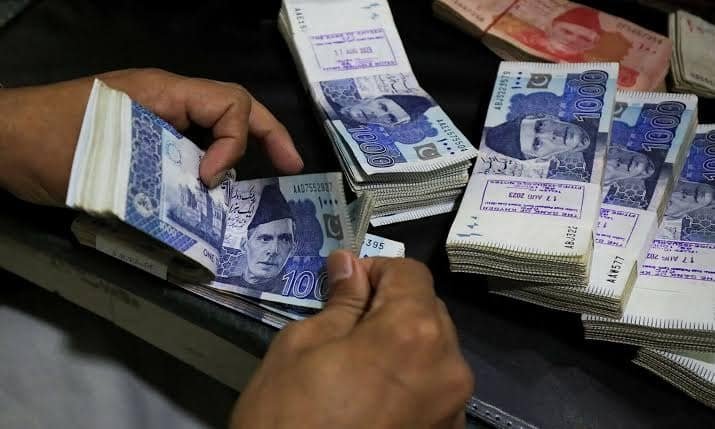
KARACHI: The Sindh High Court has issued a directive prohibiting private schools from collecting advance tuition fees for June and July together, providing significant relief to parents across the province.
This landmark ruling came during a hearing regarding petitions challenging the abrupt fee demands, book purchases, and uniform sales imposed by private educational institutions.
During the proceedings, the petitioner’s counsel argued that schools routinely hand out two vouchers simultaneously, creating a heavy financial burden during the summer break when no academic activities take place.
Addressing these concerns, the court ordered that notices for vacation fee collection must be issued in May.
Furthermore, schools must grant separate deadlines of June 30 and July 30 for the payment of June and July fees, respectively, ensuring that the Sindh High Court ban on advance summer fee collection by private schools is strictly enforced.
Regarding the controversial sales of books and uniforms, the court instructed the Directorate of Private Schools and the relevant parties to hold a collaborative meeting within the next two weeks to amicably resolve the issue.
With these clear directives issued to the school administration and relevant authorities, the court officially disposed of the petition.
Impact of Private Schools Fee Collection Before Summer Vacations
The practice of collecting advance fees for the summer months places a severe financial strain on families, particularly in the current economic climate.
When private educational institutions demand multiple months of tuition upfront alongside mandatory charges for new books and uniforms, it disrupts household budgeting and forces many parents into financial distress.
The Sindh High Court ban on advance summer fee collection by private schools helps alleviate this immediate pressure by spreading out payments over distinct monthly deadlines, allowing families to manage their expenses more sustainably without compromising their children’s education.
Beyond individual households, this judicial intervention promotes greater accountability and fairness within the private education sector.
When schools are barred from aggressive and simultaneous billing during non-instructional periods, it fosters a more balanced relationship between educational providers and parents.
ALSO READ: Punjab Schools to Host Mega Sports Events From October to December
Ultimately, ensuring reasonable payment schedules through the Sindh High Court ban on advance summer fee collection by private schools safeguards consumer rights, prevents exploitative commercial practices, and ensures that access to schooling remains equitable and manageable for families across the province.