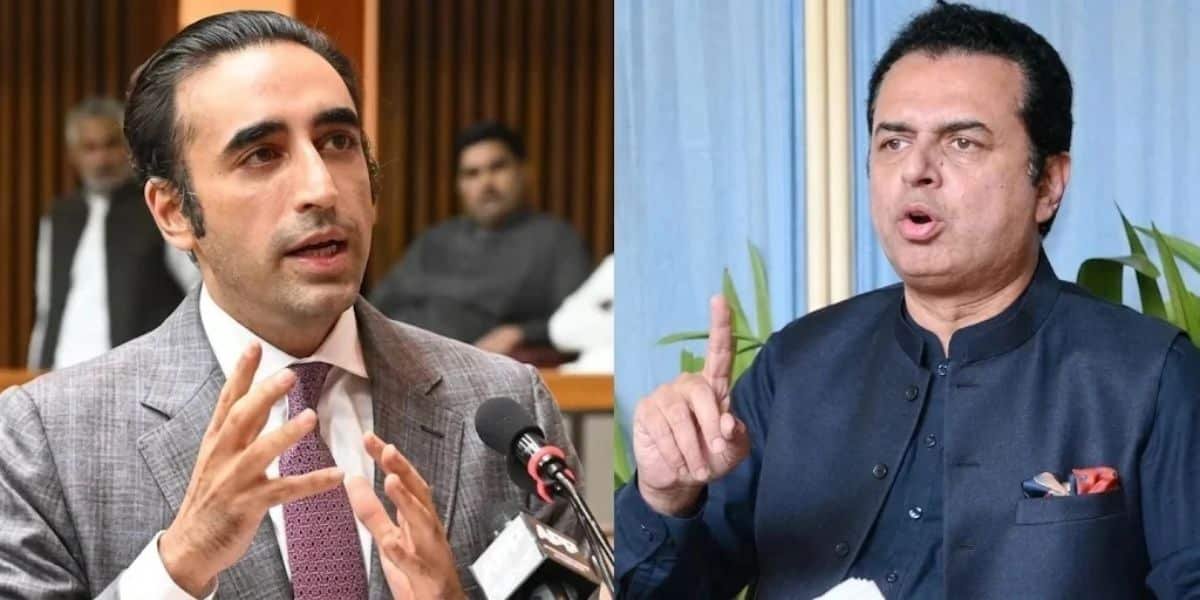
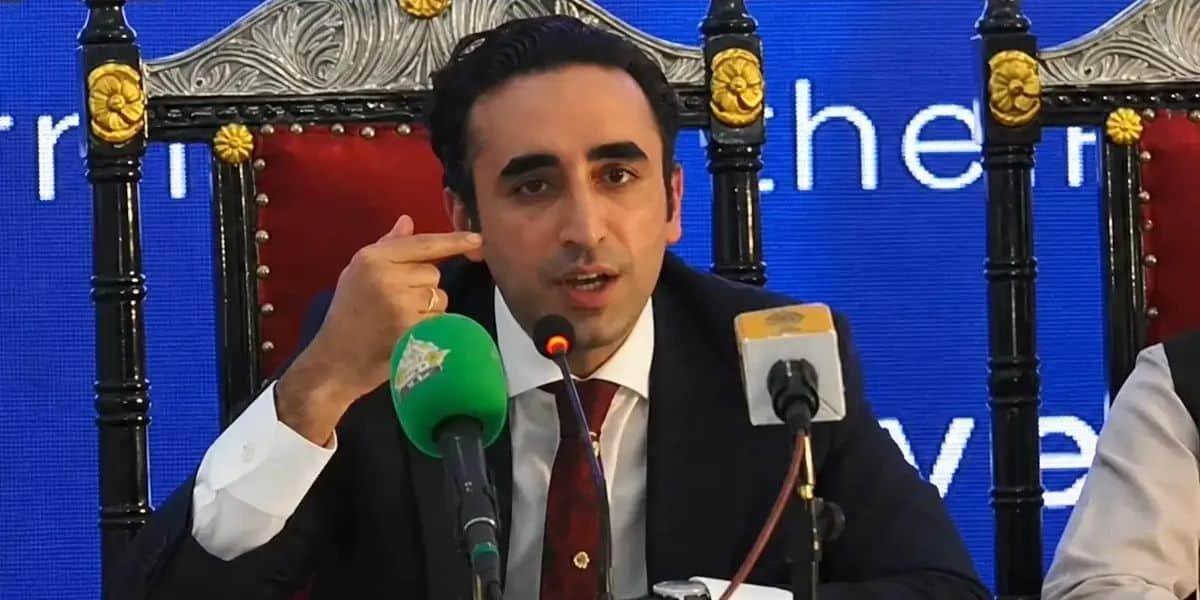
KARACHI: Pakistan Peoples Party (PPP) Chairman Bilawal Bhutto Zardari has said he did not initiate the debate over a possible system reset, constitutional changes or the creation of new provinces, while strongly opposing any attempt to divide Sindh through force or unconstitutional measures.
Speaking in an interview with Geo News programme Aaj Shahzeb Khanzada Kay Sath, Bilawal said the discussion about a system reset had emerged following statements by various political figures, including Interior Minister Mohsin Naqvi, who had suggested that the existing system had collapsed.
Bilawal questioned why other political stakeholders should not be allowed to express their views on the issue, adding that any proposed system reset should be examined in terms of democratic, political and constitutional options.
Bilawal Defends PPP’s Position on Constitutional Amendments
Discussing constitutional reforms, the PPP chairman said he had not disowned the 27th Constitutional Amendment and defended his party’s legislative position.
He recalled that the 18th Constitutional Amendment had been passed through broad political consensus and said he had similarly sought wider agreement on the 26th Amendment, which was eventually approved with the support of Maulana Fazlur Rehman and cooperation from other parliamentary stakeholders.
Bilawal also expressed pride over the establishment of a constitutional court, highlighting what he described as equal representation for all provinces.
On reserved seats, he clarified that his suggestion regarding their possible allocation to Pakistan Tehreek-e-Insaf (PTI) was intended as a gesture of political reconciliation. However, he noted that relinquishing reserved seats would not automatically transfer them to PTI under existing legal procedures.
Bilawal Warns Against Any Attempt to Divide Sindh
Strongly rejecting the forced division of Sindh, Bilawal warned that any attempt to redraw the province’s boundaries through coercion or unconstitutional means could seriously damage its law and order situation.
He argued that Sindh had deep-rooted historical, linguistic and political sensitivities that could not be ignored in discussions about creating new administrative units.
Taking a swipe at federal political figures, he questioned their understanding of Sindh’s geography and local realities, mentioning areas including Tando Allahyar, Mirpurkhas and Sujawal.
Bilawal also challenged supporters of a referendum on Sindh’s division to examine intelligence assessments from the ISI, Rangers and Special Branch regarding the potential consequences of such a move.
He maintained that the PPP had never relied on armed struggle and said political disagreements should be addressed through democratic and constitutional means.
PPP Opposes Governor’s Rule in KP, Supports Political Space for PTI
Discussing the political situation in Khyber Pakhtunkhwa, Bilawal said he had made extensive efforts to prevent the imposition of Governor’s Rule in the province.
He reiterated that counterterrorism remained a red line for the PPP while stressing that PTI should be given political space as part of any meaningful democratic reconciliation process.
He also indicated that political negotiations could resume from the point before the controversy surrounding Governor’s Rule emerged.
Bilawal Raises Concerns Over NFC Funds and Provincial Rights
On economic and governance issues, the PPP chairman complained that provinces had not received their full constitutional entitlements under the 18th Amendment and the National Finance Commission (NFC) Award.
He claimed that Sindh had been deprived of Rs1.7 trillion in petroleum levy revenues, arguing that these resources could have been used to improve educational infrastructure and develop Safe City projects across the province.
Concluding the interview, Bilawal expressed confidence in the PPP’s electoral position and said the performance of the Sindh government would ultimately be judged by voters.
He urged political stakeholders to prioritise comprehensive electoral reforms over controversial debates about referendums, suggesting that the process should be completed within the next six months.