MACH / QUETTA : Horrific road accident causes several deaths in Balochistan.
According to news reports, In a tragic incident highlighting the worsening road safety situation, deadly traffic accidents in Balochistan surge following a devastating collision between an uncontrollable truck and a passenger van near Zamindar Hotel in the Mach area, resulting in 7 deaths and injuring more than 30 people.
According to police officials, the severe crash occurred when the brakes of the heavy truck failed, causing both vehicles to plunge into a deep roadside ravine.
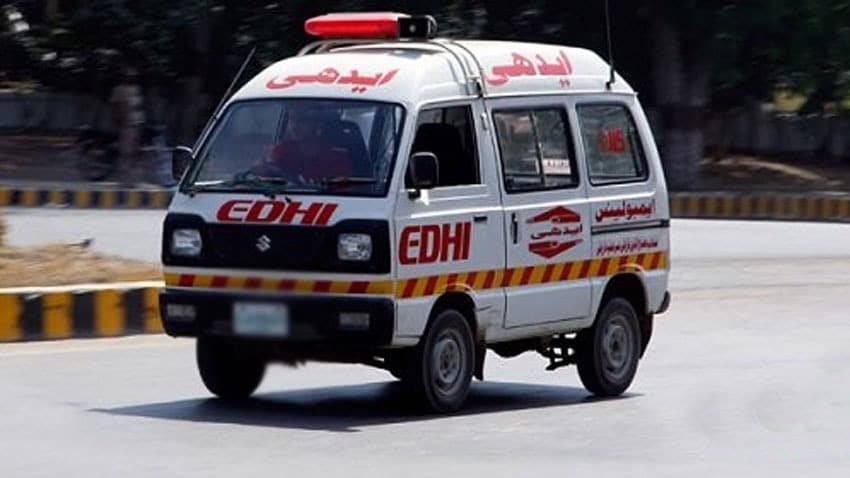
Emergency response and rescue operations were immediately launched in the area to pull victims out of the wreckage.
However, rescue teams faced severe logistical challenges in transferring the critically injured to nearby medical facilities.
Efforts are currently underway to transport the injured to major hospitals in Quetta for specialized emergency care, while police authorities confirmed that further investigations into the incident are ongoing as deadly traffic accidents in Balochistan surge across key transit corridors.
Alarmingly High Rate of Road Accidents in Balochistan and Their Primary Causes
Road safety in Balochistan has reached a critical point, with thousands of casualties reported annually along its vast and challenging highway network.
The province serves as a vital transit hub connecting major trade routes, yet its infrastructure suffers from systemic vulnerabilities that exacerbate collision risks.
Understanding the root causes of these fatal incidents is essential for formulating effective policy interventions and infrastructure reforms.
The primary drivers of traffic accidents in the region stem from a combination of infrastructure deficits and systemic regulatory gaps.
Most of Balochistan’s major inter-district and inter-provincial arteries, including key sections of the N-25 highway, remain narrow, undivided single-carriageways lacking central barriers, which greatly increases the risk of head-on collisions.
Furthermore, overloaded commercial trucks and buses frequently operate with severe mechanical faults such as failing brakes or worn-out tires, making them difficult to control on steep mountain passes.
Driver fatigue during long-distance night travel, excessive speeding, and illegal overtaking further compound the danger.
Finally, the vast geographic distances between major urban centers combined with a severe shortage of equipped highway trauma centers lead to critical delays in emergency medical assistance, turning manageable injuries into fatal casualties.
ALSO READ: Tragic Road Accidents in Tharparkar Causes Five Deaths
Addressing these issues requires dual-carriageway expansion, strict enforcement of vehicle fitness standards, and the urgent establishment of roadside emergency medical facilities.