ISLAMABAD: Electricity’s price is likely to rise in Pakistan on the coming years.
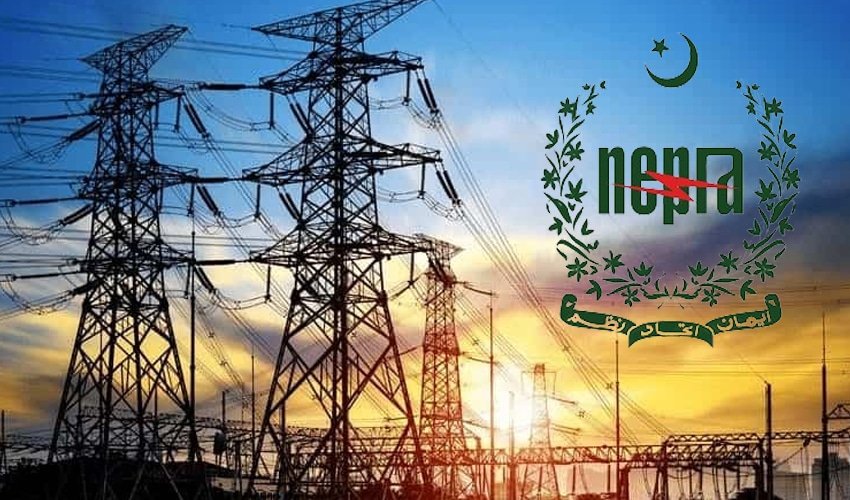
According to sources, an electricity base tariff likely to increase in Pakistan creating serious financial concerns for consumers, as the National Electric Power Regulatory Authority (NEPRA) completed its hearing on a petition submitted by the Central Power Purchasing Agency (CPPA).
During the hearing, NEPRA examined six potential financial scenarios presented by the CPPA regarding the power purchase price mechanism.
Officials indicated that the base electricity tariff could see an initial increase of over Re 1 per unit starting next year, with the base rate projected at around Rs 27.09 per unit.
However, officials warned that if ongoing regional tensions escalate further, the increase could reach up to Rs 4 per unit.
The CPPA informed NEPRA that global economic uncertainty over the past six months, volatile crude-linked LNG prices, and fluctuating imported coal costs have made future financial projections challenging.
High fuel costs and supply shortages have also triggered load-shedding and created pressure on consumer rates, underscoring why an electricity base tariff likely to increase in Pakistan creating serious financial concerns for consumers.
Electricity Price Hike in Pakistan over the Past Two Years
Over the past two years, electricity tariffs in Pakistan have escalated significantly, delivering severe economic strain to residential, commercial, and industrial consumers.
This rapid inflation in power tariffs has been primarily driven by continuous adjustments in basic tariffs, monthly Fuel Price Adjustments (FPA), and quarterly capacity payments owed to power generation companies.
The devaluation of the Pakistani Rupee against foreign currencies, combined with high reliance on imported fuels such as LNG, coal, and furnace oil, has inflated generation costs dramatically.
Furthermore, structural issues within the power sector—including high line losses, power theft, and declining industrial demand due to overall economic slowdown—have expanded the circular debt burden.
Consequently, regulatory authorities have repeatedly revised tariffs upward to fulfill international financial commitments and stabilize sector liquidity.
ALSO READ: Electricity Prices Likely to Increase by Rs 2.56 Per Unit
These cumulative hikes have eroded household purchasing power and raised operational costs for businesses across the country.