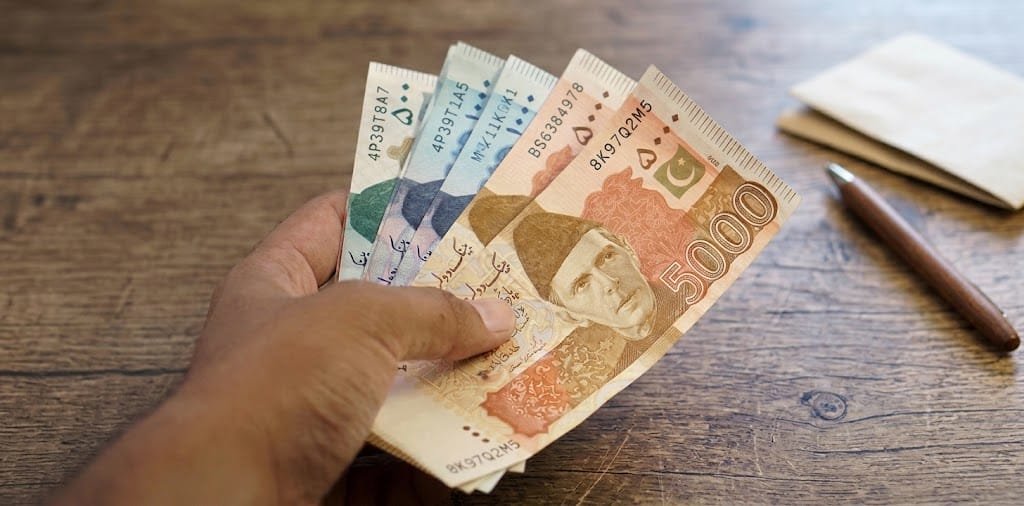
ISLAMABAD: The Ministry of Finance has formally greenlit issuances of new banknotes.
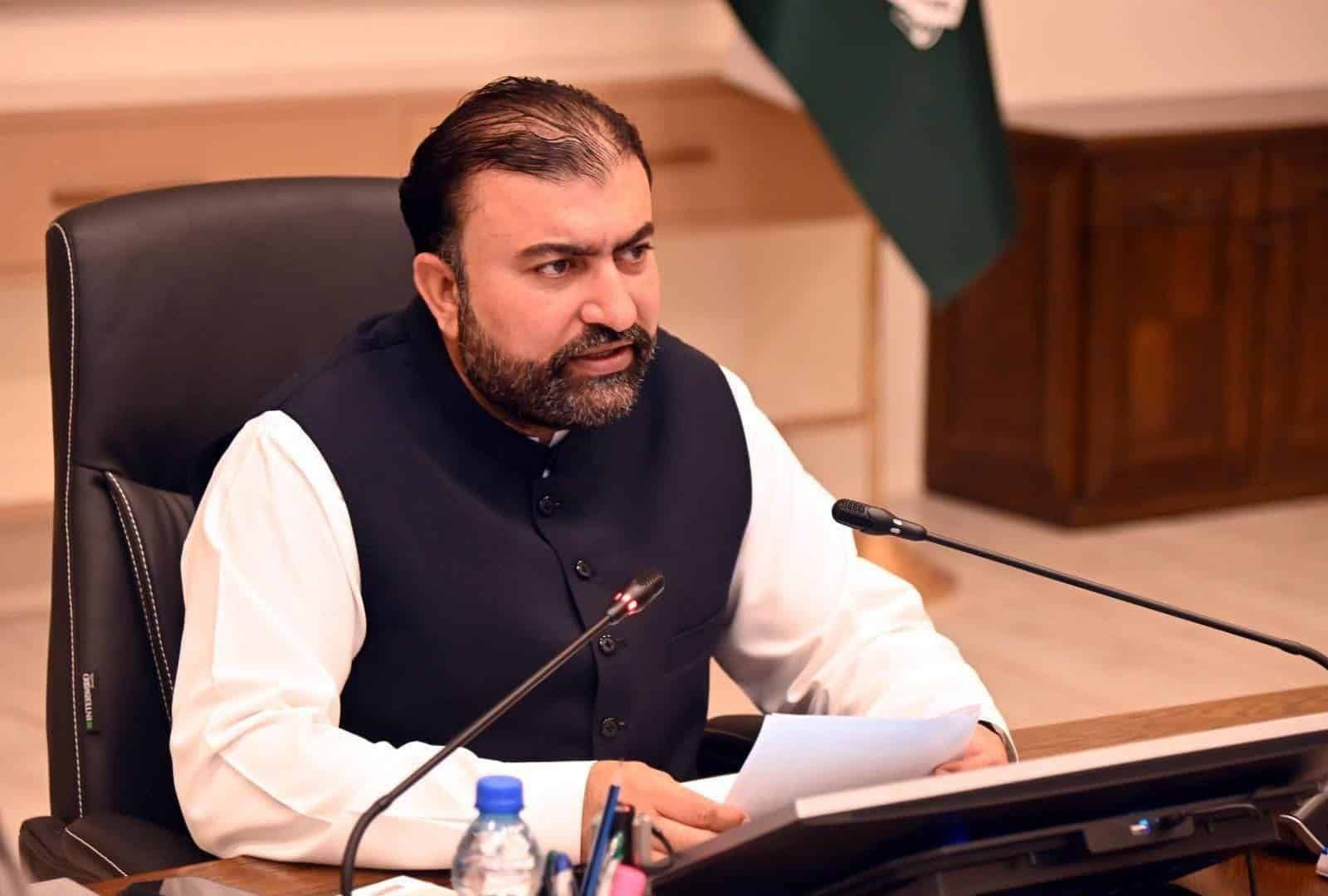
According to the details, the Federal Cabinet approves new currency note designs in Pakistan during a high-level meeting chaired by Prime Minister Muhammad Shehbaz Sharif.
Following official recommendations submitted by the Ministry of Finance, the government has formally greenlit the issuance of new banknotes featuring enhanced security standards and modern aesthetics.
Additionally, the cabinet approved a significant structural decision to replace the existing Rs 10 paper banknote with a durable Rs 10 coin.
During the briefing, officials informed the cabinet that the structural changes were prepared after extensive consultations with domestic artists, designers, and key financial stakeholders.
To effectively counter the proliferation of counterfeit currency, the redesigned notes will incorporate advanced anti-counterfeiting security features alongside durable substrate materials aimed at significantly extending the physical lifespan of the banknotes in public circulation.
Financial authorities highlighted that as the Federal Cabinet approves new currency note designs in Pakistan, the transition will be executed systematically to ensure uninterrupted monetary operations across the national banking network.
Currency Notes Policy in Pakistan
The issuance, management, and regulation of currency notes in Pakistan fall strictly under the authority of the State Bank of Pakistan (SBP) as governed by the State Bank of Pakistan Act, 1956.
The central bank executes national currency policy to ensure financial stability, preserve economic trust, and facilitate secure public transactions across the country.
Currency policy primary focuses on balancing money supply in circulation with economic growth while maintaining robust security controls against counterfeiting.
A core objective of Pakistan’s currency policy is the periodic modernization of banknotes.
Replacing older series with updated designs allows monetary authorities to integrate state-of-the-art security features, such as watermarks, security threads, color-shifting inks, and micro-printing.
Furthermore, policy decisions regarding substrate materials—such as transitioning lower-denomination notes like the Rs 10 bill into long-lasting coins—are driven by cost-efficiency.
Lower-denomination notes experience high transaction velocity and rapid physical wear, creating substantial printing and administrative costs.
Phasing them into coins reduces long-term operational expenses for the central bank.
Additionally, SBP policy governs the legal tender status of legacy currency during redesign transitions.
When new banknote designs are approved, existing notes remain fully legal tender and are phased out gradually through regular commercial banking channels rather than sudden demonetization.
ALSO READ:, New Currency Notes Launch Likely Delayed
This structured policy approach prevents market disruption, protects public purchasing power, and ensures high integrity within Pakistan’s physical monetary ecosystem.