ISLAMABAD: IMF has allowed to sustain fuel subsidy scheme under strict conditions.
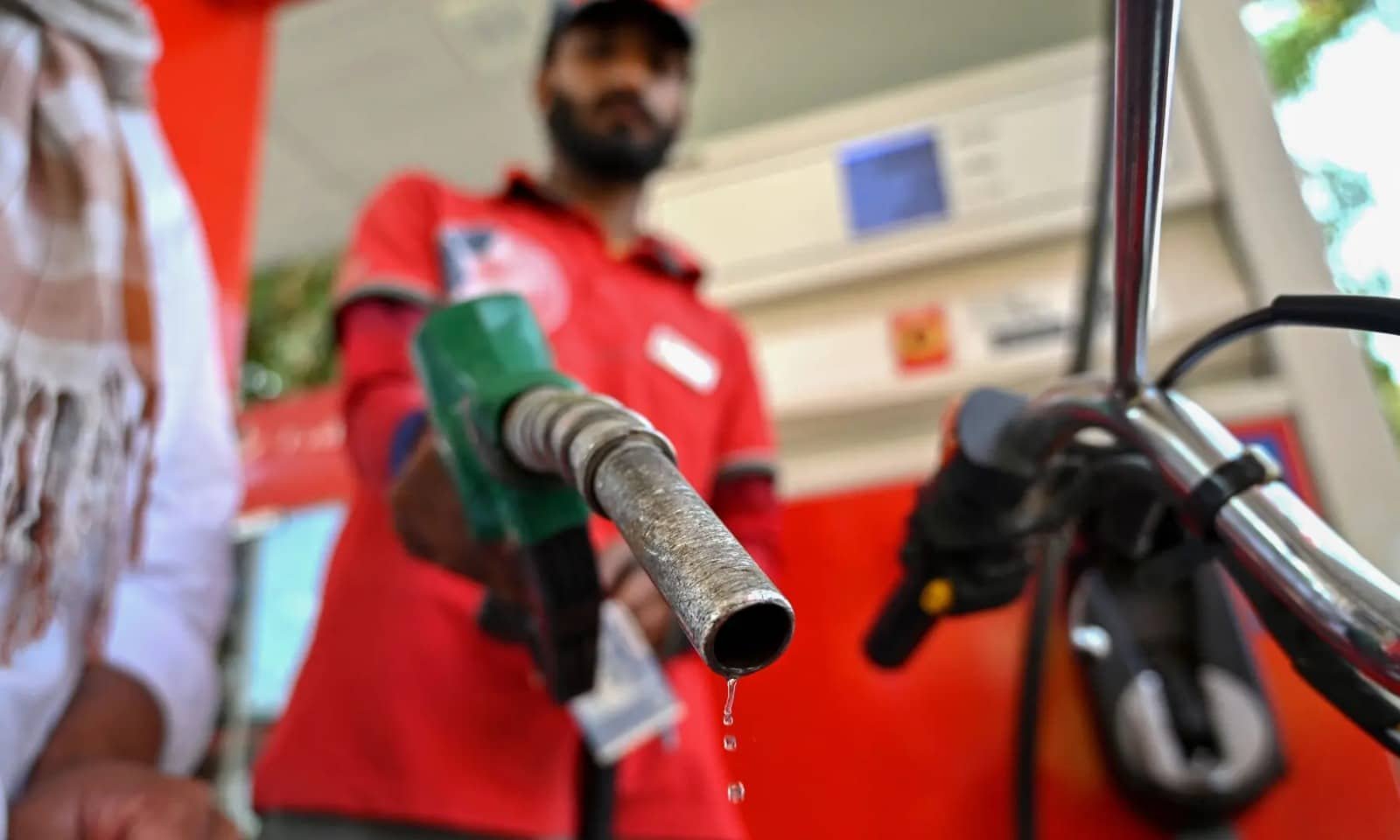
The International Monetary Fund (IMF) has agreed to allow IMF agrees to continue fuel subsidy scheme while stipulating that no additional beneficiaries should be added to the program.
As the fourth economic review talks between Pakistan and the IMF progress, discussions are actively underway regarding energy sector reforms, tax collections, and economic targets.
During meetings between the IMF mission, the Ministry of Petroleum, and the Power Division, the Fund also demanded the deregulation of the sugar sector with the consent of the provinces, though opposition from Sindh has currently delayed consensus on the national sugar policy.
Additionally, the IMF has called for the removal of tax exemptions granted to electric vehicles (EVs) under the auto policy, while technical-level talks have shown satisfaction with FBR’s revenue collection and progress up to September.
Impact of Fuel Subsidies on Millions of Citizens The continuation of the IMF agrees to continue fuel subsidy scheme initiative serves as a crucial economic cushion for millions of vulnerable households across Pakistan.
Amid rising inflation and global economic pressures, targeted fuel subsidies directly alleviate the financial burden on low- and middle-income segments of society, helping to stabilize the cost of public transport, daily commute, and essential goods.
By preventing steep spikes in fuel prices for targeted groups, the subsidy scheme safeguards millions of citizens from severe economic distress, ensuring basic mobility and supporting household purchasing power.
However, balancing this social welfare protection with fiscal discipline remains a central focus of the ongoing talks to maintain macroeconomic stability.
If current policy-level negotiations conclude successfully, a staff-level agreement is expected to be finalized this week, paving the way for the fifth loan tranche approval by the IMF Executive Board.