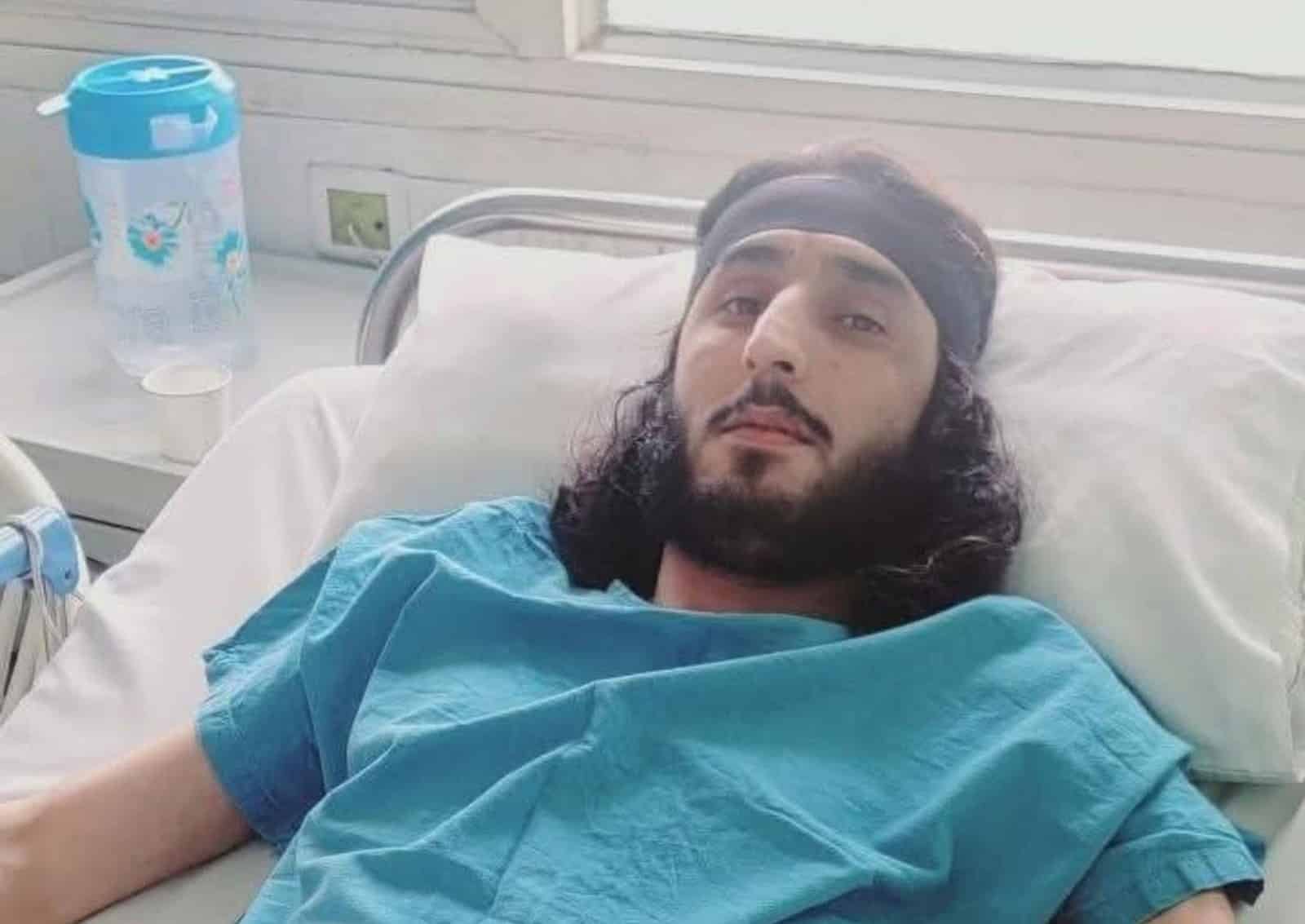
ISLAMABAD: Fresh evidence of an India–Afghan Taliban–Fitna al Khawarij nexus have emerged after an Afghan national linked to the Hafiz Gul Bahadur Group travelled to India for medical treatment on a visa issued by the Indian Embassy in Kabul. The case has raised serious questions about India’s vetting procedures and the movement of individuals associated with armed groups operating from Afghan territory against Pakistan.
According to the reports, the Afghan national, identified as Taqwa and described as a resident of Paktia province, travelled to India on September 30 after receiving a visa from the Indian Embassy in Kabul. He underwent surgery in India on Thursday.
The account identifies Taqwa as having links to the Hafiz Gul Bahadur Group, a militant organisation proscribed by Pakistan, and says he sustained injuries during a security operation under the previous Afghan government.
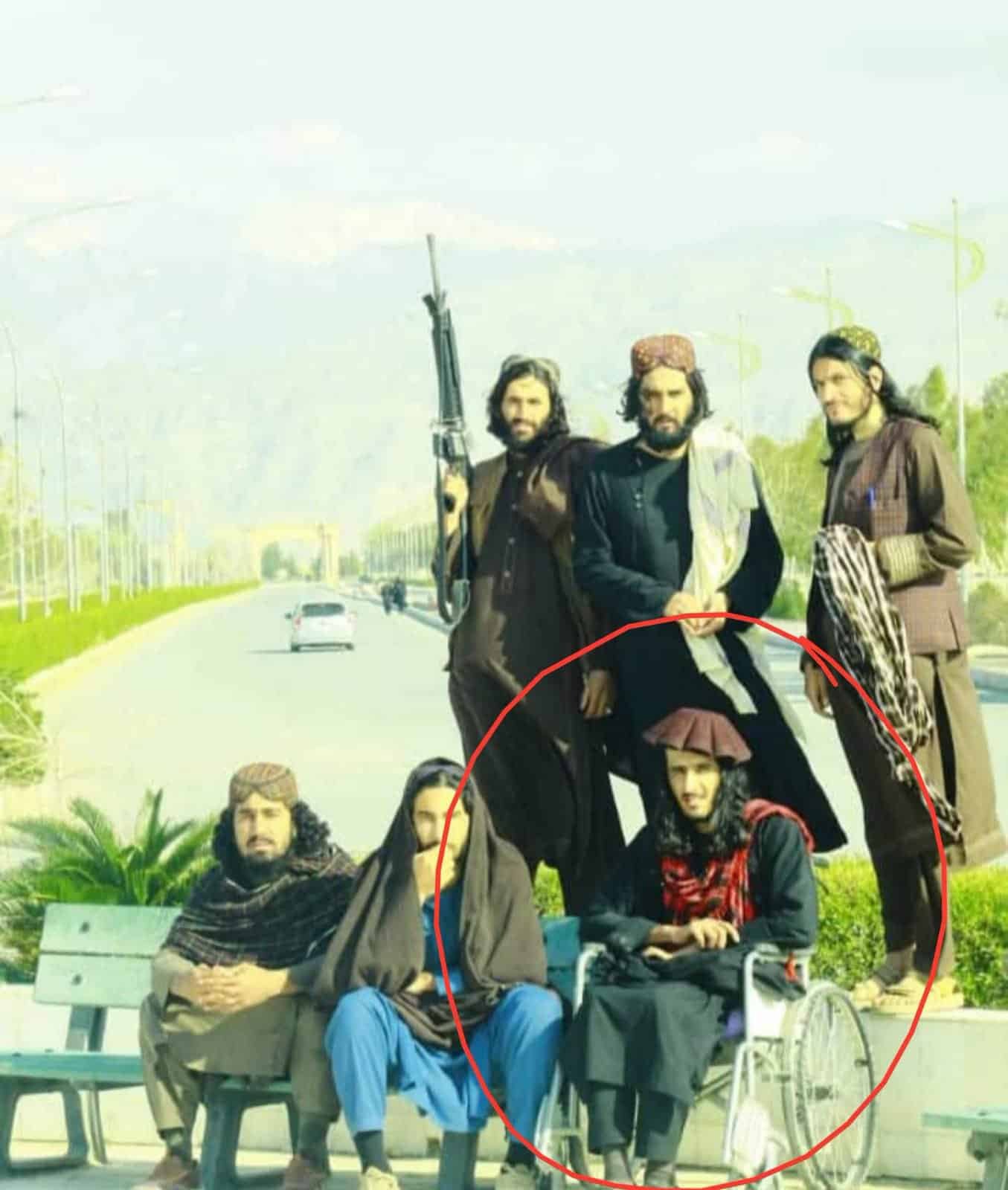
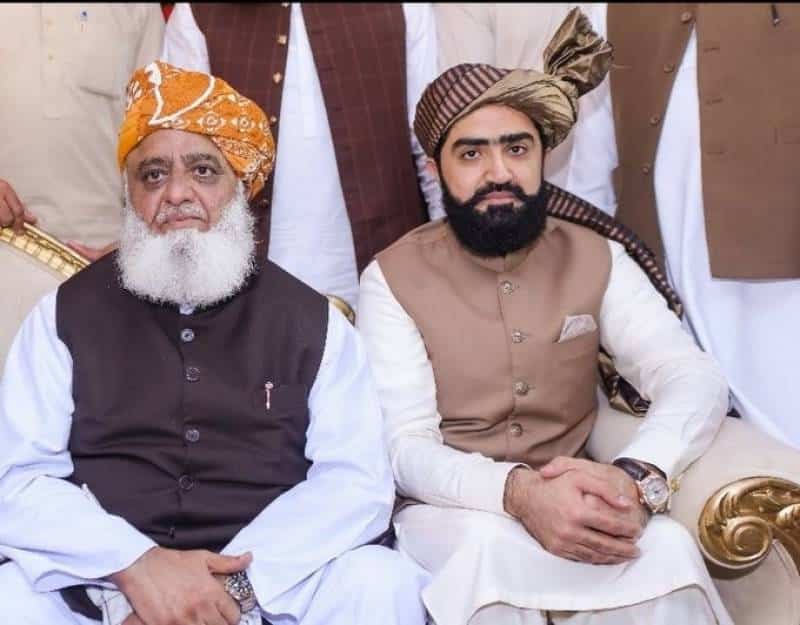
The material also includes a photograph purportedly showing Taqwa alongside Abdul Razzaq Izhar, identified in the account as an Afghan national involved in the March 2025 suicide attack on Bannu Cantonment in northwestern Pakistan. The photograph, however, does not independently establish the identities, affiliations or operational links of the individuals shown.
The reported visa and medical treatment raise questions about the vetting of
Afghan nationals travelling to India, particularly those alleged to have connections with militant groups targeting Pakistan. However, the available information does not independently establish that Indian authorities knowingly facilitated a militant’s activities or provided operational support to any armed group.
Afghanistan’s growing terror threat
The fresh evidence emerge against the backdrop of repeated international warnings about militant organisations using Afghan territory to plan and carry out attacks in Pakistan.
A United Nations Security Council-mandated monitoring report published in August 2026 said continued support from Afghanistan’s Taliban authorities had contributed to an increase in the frequency and lethality of attacks by the Tehreek-e-Taliban Pakistan (TTP). It also identified growing operational and facilitation links among the TTP, Al-Qaeda, Islamic State-Khorasan and the Baloch Liberation Army.
The report said cross-border attacks had escalated, prompting military exchanges between Pakistan and Afghanistan. Kabul has repeatedly rejected accusations that it allows armed groups to use Afghan territory to attack other countries.
A February 2025 UN monitoring report had also recorded more than 600 TTP attacks against Pakistan during the preceding reporting period, including attacks launched from Afghan territory. It raised concerns about the group’s logistical and operational space inside Afghanistan.
International media have also documented the consequences of the militant threat. The Associated Press reported that two suicide bombers attacked Bannu Cantonment on March 4, 2025, with additional militants attempting to enter the military compound. Pakistan’s authorities said the attackers had been killed by security forces.
Meanwhile, India resumed visa services for Afghan nationals in 2025, including medical and medical-attendant visas. New Delhi has also expanded diplomatic engagement with the Taliban administration, although it has not formally recognised the government.
Against this backdrop, the reported treatment of an individual alleged to have links with the Gul Bahadur network adds another dimension to concerns over the intersection of regional diplomacy, militant movements and cross-border security.
The key questions are whether Taqwa’s alleged affiliation was known to the authorities processing his visa, what vetting was conducted before his travel, and whether any links to individuals involved in attacks inside Pakistan can be independently established.
Any verified evidence of official facilitation of individuals involved in militant violence would warrant serious scrutiny. At present, however, the reported case and the photograph require independent verification before they can establish state complicity or an operational India-Taliban militant partnership.