WASHINGTON: US Vice President JD Vance has avoided publicly endorsing President Donald Trump’s decision to launch military strikes against Iran, despite the president’s demand that he acknowledge the attacks were necessary and say he would make the same decision.
JD Vance Declines to Endorse Trump’s Iran Strikes, Says February Attack Was Trump’s Decision
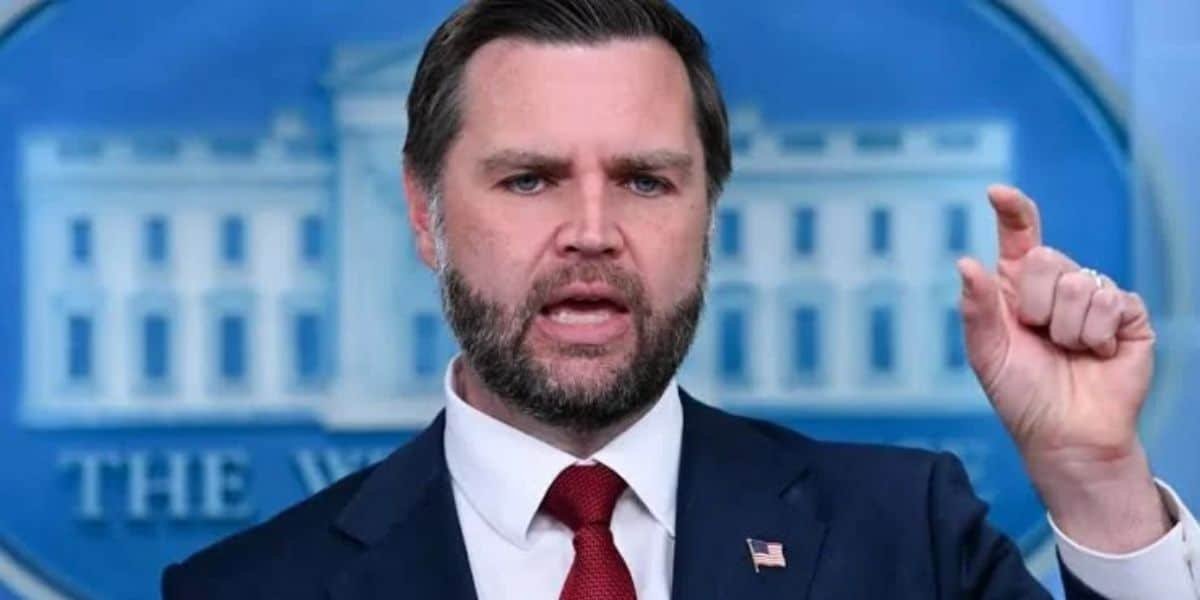
Speaking alongside Trump at a White House press conference on Friday, Vance said the decision to launch the strikes in February was the president’s responsibility, adding that his role was to support the US president.
Vance’s remarks highlighted growing political sensitivities within the Republican Party over the Iran conflict, particularly as the administration faces mounting domestic pressure ahead of the midterm elections.
Earlier, Vance attributed the Republicans’ significant electoral losses to the war, arguing that the conflict had damaged the party’s political position. In a social media post, he suggested that the United States should reconsider its involvement and questioned whether the political cost of the war had been worthwhile.
Trump said he was not unhappy with Vance’s assessment but insisted that it should have included an acknowledgment that the military action was necessary.
The president maintained that Iran posed a serious threat and defended the decision to target its nuclear capabilities.
When asked whether the war had been worth the Republicans’ losses in Congress, Vance avoided directly supporting the military operation. Instead, he stressed that preventing Iran from acquiring nuclear weapons remained an essential US objective.
He argued that a nuclear-armed Iran could use its capabilities as leverage or potentially threaten thousands of innocent lives. However, he reiterated that decisions on military action rested with the president.
Vance’s Diplomatic Efforts on Iran
Vance has previously expressed reservations about the conflict and played a key role in diplomatic efforts aimed at securing an agreement with Tehran.
In recent weeks, he reportedly sent personal communications to Iranian hardliners in an attempt to revive negotiations. However, Trump subsequently called off the diplomatic engagements and directed Vance to focus on domestic policy.
“We don’t need a deal with Iran. Those days have long since passed,” Trump said in a social media statement announcing the decision.
The president’s remarks followed Vance’s public assessment of the Republicans’ electoral setbacks and renewed debate over the political and strategic costs of the Iran conflict.
Political Differences Within the Republican Party
The exchange has drawn attention to the challenges facing Republican leadership as the Iran conflict becomes an increasingly sensitive domestic political issue.
Vance’s comments have also fuelled speculation about his political ambitions ahead of the 2028 presidential election, although he has not formally announced a campaign.
Meanwhile, Vance defended Trump’s recent diplomatic engagements with Chinese President Xi Jinping and Russian President Vladimir Putin, describing diplomacy as an important tool for advancing US interests.
He praised the president’s approach to international relations, suggesting that engagement with global powers could produce opportunities that military confrontation alone could not achieve.