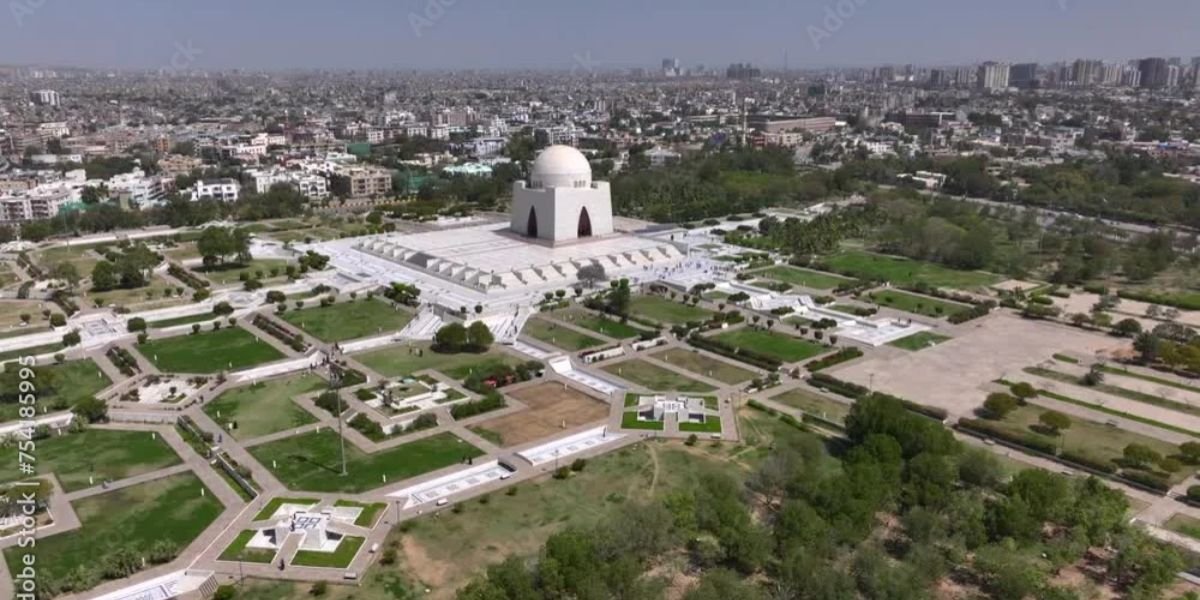
KARACHI: Escalating urban decay, severe administrative paralysis, and exponential population growth have reignited fierce debates over the creation of new administrative units in Pakistan, with residents of Karachi increasingly demanding that the metropolis be granted the status of a separate province.
Expressing profound dissatisfaction with the current municipal governance framework, citizens argue that fundamental structural reforms are urgently required to manage the mounting challenges facing the country’s economic hub. Despite continuous population expansion, basic service delivery mechanisms have steadily deteriorated, leaving local infrastructure overwhelmed.
Karachi’s Persistent Urban Crises: Dilapidated Infrastructure and Failing Sanitation
Residents across various neighborhoods voiced deep concern over the dismal state of civic amenities, highlighting a glaring absence of development initiatives and basic maintenance in local streets. Broken sewerage lines and mounting heaps of garbage have become defining features of daily life, compounding hardships for the local populace. The persistent failure to address fundamental municipal grievances has intensified public calls for a complete overhaul of the existing administrative apparatus.
Renewed Calls for Autonomous Provincial Status
Voicing support for the establishment of decentralized administrative units, citizens emphasized that governance structures must adapt to the practical demands of a booming urban population. Elevating Karachi to the status of an independent province, they contend, is vital to ensuring that local developmental and administrative affairs are managed in direct alignment with community needs.
Also Read: UK and Pakistan Express Serious Concern Over TTP Threats Operating From Afghanistan
This resurgent public demand in Karachi once again brings to the forefront a critical policy question: whether existing provincial administrative frameworks possess the institutional capacity to resolve the compounding challenges of modern megacities.