QUETTA: A Panjgur youth has voluntarily surrendered vowing his loyalty to the country.
According to the details, In a significant development for regional security, Shahab, a youth from the Panjgur district of Balochistan, has voluntarily laid down his arms, highlighting the growing trend of militants surrendering along with their companions across the province.
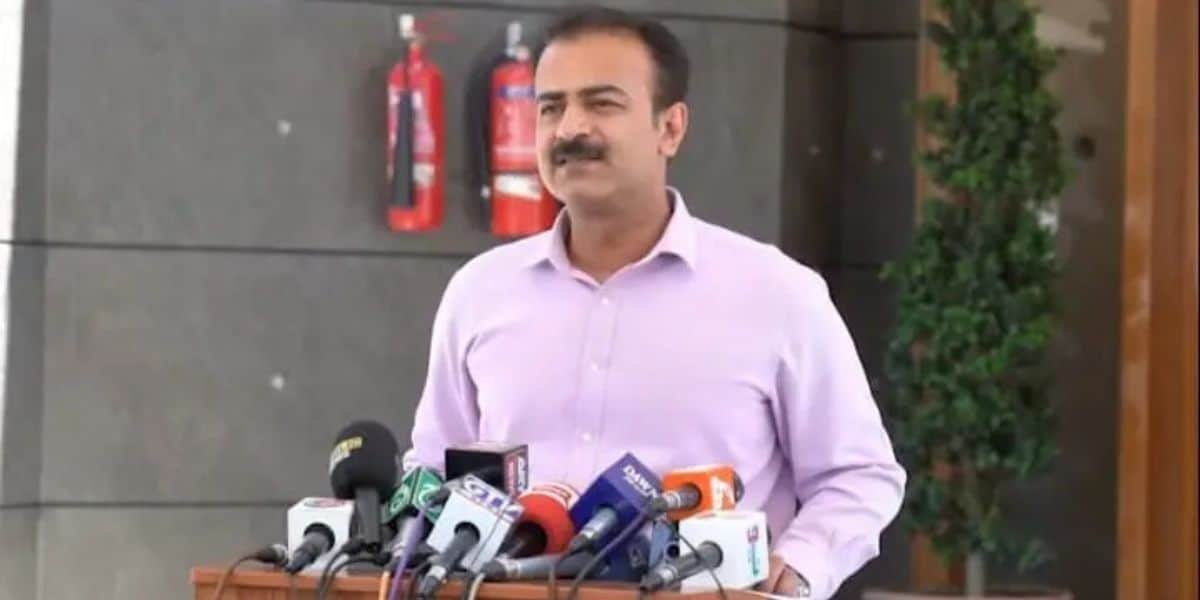
Speaking at a press conference in Quetta, Shahid Rind, Assistant to the Chief Minister of Balochistan on Information and Political Affairs, alongside the Additional Chief Secretary (Home), addressed the media regarding the surrender.
Shahid Rind stated that youth in Balochistan had previously been misled into violence, emphasizing that the state warmly welcomes those returning to mainstream society and calling on Baloch youth to align themselves with the nation.
He reaffirmed the Chief Minister’s firm commitment to continuing operations until the last remaining terrorist is eliminated.
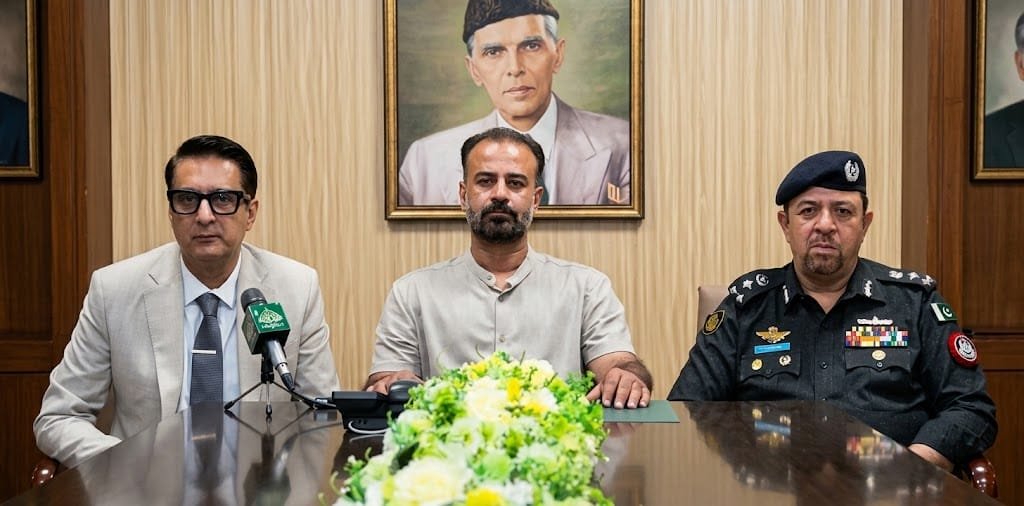
Furthermore, the Additional Chief Secretary Home confirmed the arrest of six terrorists, reiterating that the state continues to provide opportunities for militants surrendering along with their companions.
DIG Police Quetta Imran Shaukat added that over 300 Intelligence-Based Operations (IBOs) have been executed by CTD and partner law enforcement agencies to counter evolving insurgent tactics.
Reintegration Dynamics: Militants Surrendering Along With Their Companions
The rising frequency of militants surrendering along with their companions marks a critical turning point in Balochistan’s socio-political landscape.
For decades, hostile foreign elements and extremist organizers exploited economic vulnerabilities, geographic isolation, and grievances to mislead youth into taking up arms against state infrastructure.
However, as public awareness grows and law enforcement agencies maintain sustained operational pressure, a growing number of individuals are choosing peaceful reintegration over armed conflict.
State-sponsored surrender and rehabilitation frameworks play a central role in facilitating this transition.
By offering legal amnesty, safety assurances, and financial support for livelihood rebuilding, the government incentivizes insurgents to abandon violence.
When insurgent leaders or key operatives surrender, it frequently triggers a snowball effect, encouraging lower-level fighters to follow suit alongside their peers.
This cumulative disruption dismantles operational networks from within, draining extremist groups of manpower and local intelligence networks.
Sustaining this momentum requires comprehensive post-surrender support, including psychological counseling, skill development, and community reintegration initiatives.
Ensuring that surrendered individuals safely transition back into civilian life reassures other active militants that peaceful surrender remains a viable option.
ALSO READ: Surrendered militant exposes shocking crimes of Khawarij, Gul Bahadur group
Ultimately, encouraging law enforcement vigilance alongside accessible amnesty programs ensures that militants surrendering along with their companions will remain a vital cornerstone for achieving permanent peace and stability in Balochistan.