ISLAMABAD: Senior officials from Pakistan, Saudi Arabia, and Turkiye are meeting in Islamabad today to advance the operationalization of the Makkah Defense Pact, with discussions focused on joint defense cooperation, regional security, and mutual defense commitments.
Major Defense Development to Focus on Saudi Arabia’s Southern Border Security and Yemen’s Houthi Conflict
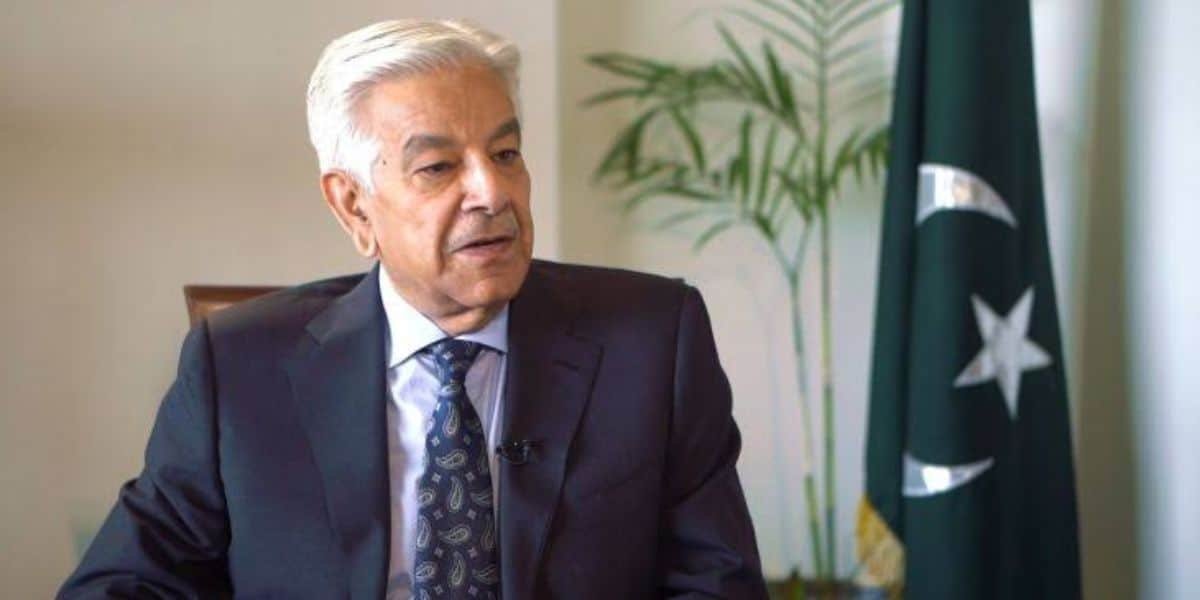
Outlining the agenda, Defense Minister Khawaja Asif said tensions near Saudi Arabia’s southern border and the conflict involving Houthi militants in Yemen will be central topics of deliberation. He confirmed that the foreign and defense ministers of Saudi Arabia and Turkiye are participating in the talks, noting that persistent instability along Saudi Arabia’s southern frontier remains a key concern for the three countries.
Saudi Security and Implementation of the Pact
Khawaja Asif stated clearly that under the Makkah Defense Pact, any threat to Saudi Arabia will be treated as a threat to Pakistan and Turkiye as well, describing the provision as unambiguous. Saudi Arabia continues to face recurring attacks and threats from Houthi forces in Yemen—who control Sanaa and large parts of the country—including incidents targeting cities, oil installations, and maritime vessels.
Pakistan, Saudi Arabia, and Turkiye signed the Makkah Defense Pact in August this year under the principle that an armed attack against one member state is considered an attack on all three. Calling the pact in its early stages, the defense minister said regular ministerial-level meetings are essential initially to move its components forward, adding that efforts are underway to complete necessary arrangements over the coming months so the three nations can effectively fulfill their collective defense commitments.
Discussions are also expected to cover defense linkages, institutional coordination, and joint security mechanisms, including intelligence sharing, air defense, and military cooperation frameworks.
Broader Regional Developments
The defense minister also identified potential aggression by Israel as a security concern for countries in the region, urging regional states to strengthen coordination in view of emerging threats.
Touching on wider diplomacy, Khawaja Asif highlighted Pakistan’s efforts to help ease tensions between the United States and Iran. While stating that Pakistan has played a constructive role, he noted that the situation remains delicate and lasting peace has yet to be achieved.
Today’s meeting in Islamabad is viewed as a significant step toward translating the Makkah Defense Pact into practical mechanisms and shaping a coordinated regional defense approach.