ISLAMABAD: Pakistan could witness a major transformation of its administrative structure as a proposal to increase the number of provinces from four to 12 is reportedly under consideration, potentially involving a nationwide referendum before a proposed 28th Constitutional Amendment.
The initiative aims to improve governance, strengthen administrative efficiency and ensure a fairer distribution of development opportunities across the country.
Under the proposed arrangement, Punjab could be divided into four provinces, Khyber Pakhtunkhwa into three, Balochistan into three and Sindh into two.
The plan would significantly reshape Pakistan’s administrative landscape, potentially bringing government institutions closer to citizens and improving public service delivery.
However, the proposal remains under consideration, with no final decision regarding provincial boundaries, administrative responsibilities or implementation.
Sources suggest that preliminary steps could begin during the first quarter of 2027, while discussions on the proposed constitutional amendment may advance during the first half of the year.
A nationwide referendum is reportedly being considered to determine public opinion on the creation of additional provinces.
Supporters believe public consultation could strengthen democratic participation and help build national consensus before major constitutional changes are introduced.
However, Planning Minister Ahsan Iqbal stated on October 30 that the government was not drafting a 28th Constitutional Amendment to create new provinces, highlighting uncertainty surrounding the proposal.
Government Aims to Improve Administrative Efficiency
The central argument supporting the proposal is that Pakistan’s growing population, regional inequalities and increasing administrative challenges require structural reforms.
Advocates believe smaller provinces could enable authorities to identify local development priorities, improve accountability and deliver essential services more efficiently.
They also argue that decentralised administration could help underserved regions receive greater attention and development opportunities.
Despite its proposed benefits, creating additional provinces would involve significant constitutional and political challenges.
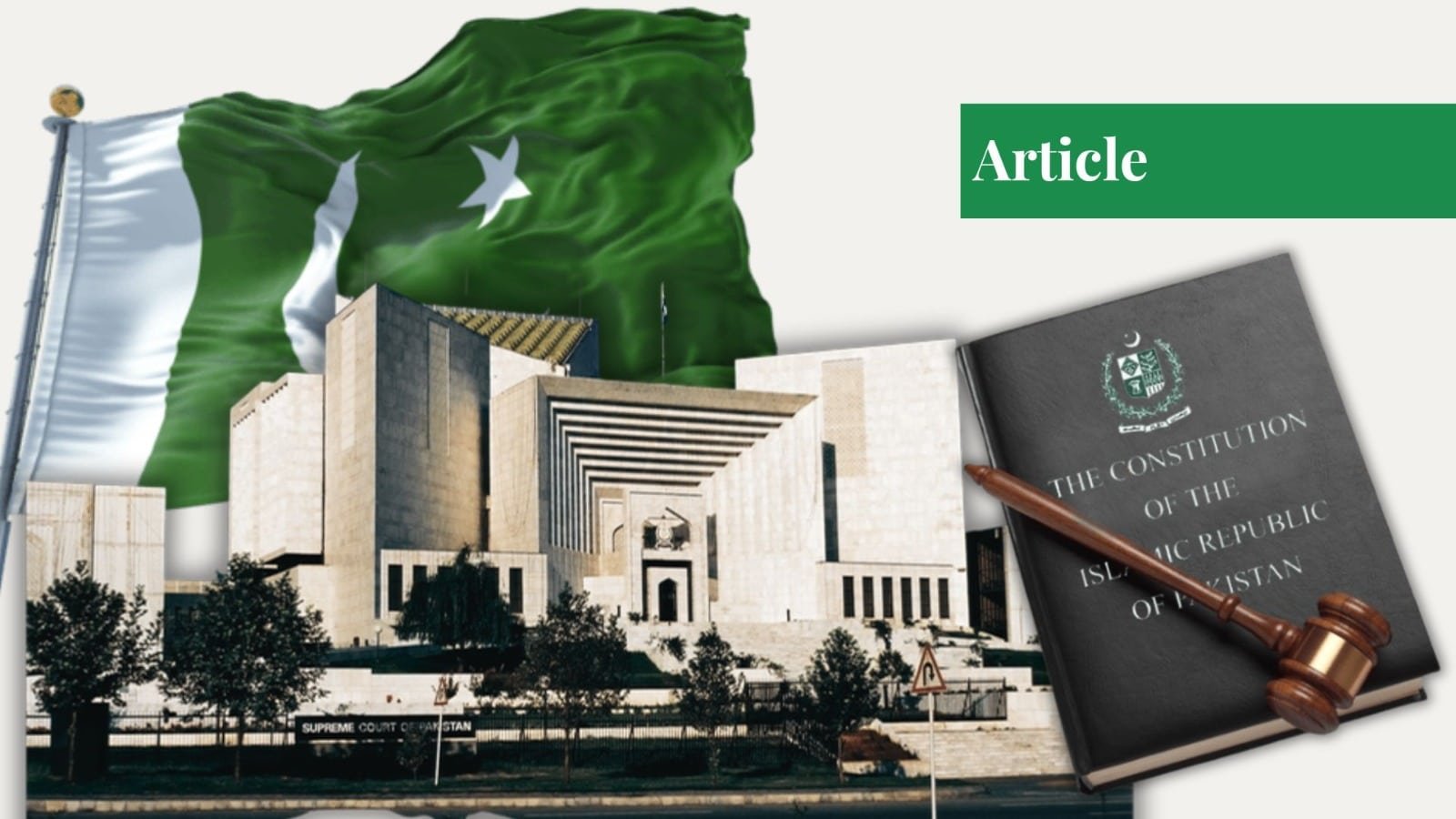
Under Article 239 of Pakistan’s Constitution, constitutional amendments require a two-thirds majority in both houses of Parliament. Changes to provincial boundaries also require approval from the affected provincial assembly by a two-thirds majority.
ALSO READ: Balochistan CM Sarfraz Bugti Calls for Smaller Administrative Units in Balochistan
For now, Pakistan’s proposed 12-province structure remains an idea under discussion rather than an approved government policy.