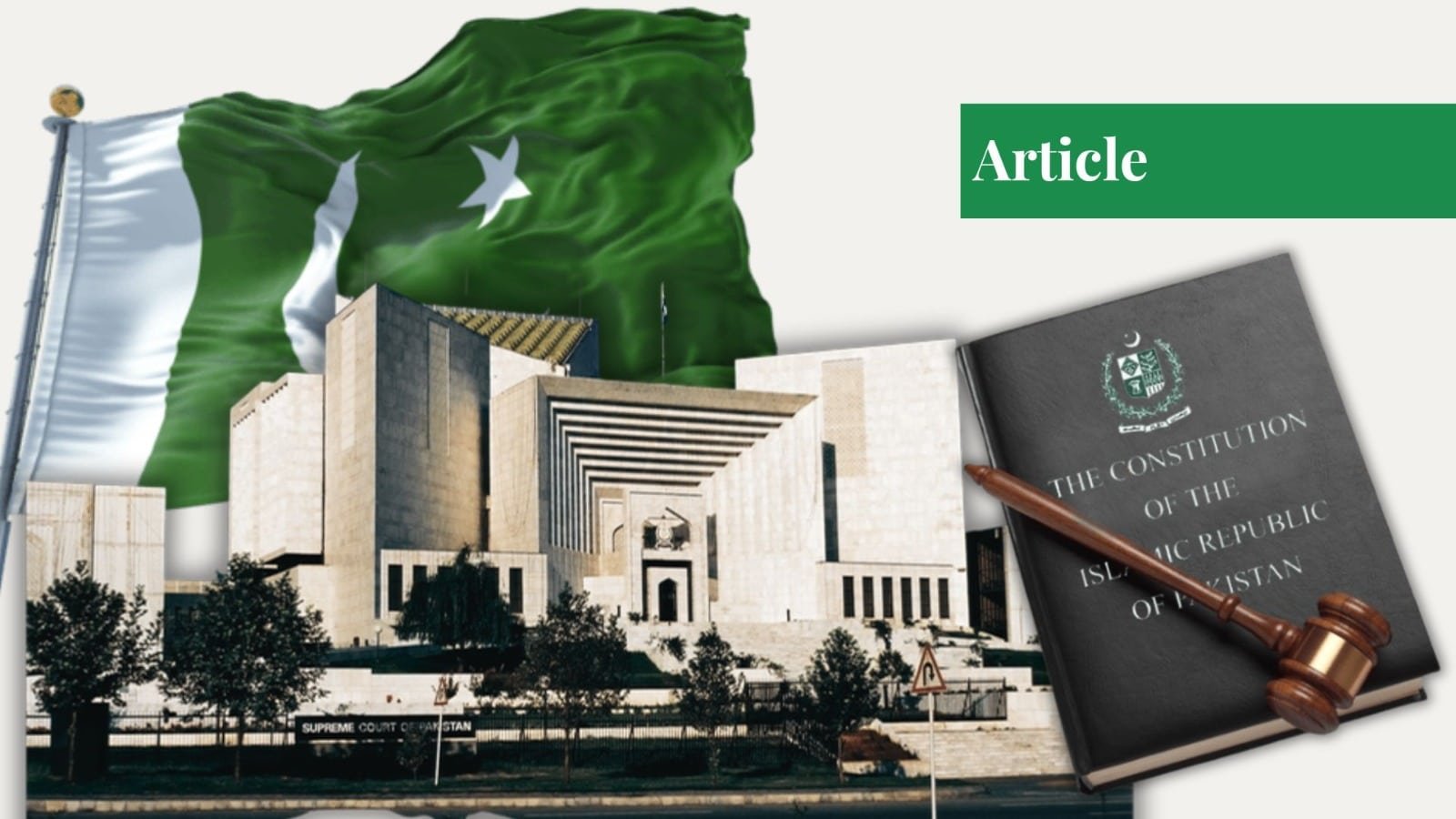
ISLAMABAD: A proposal to redraw Pakistan’s administrative map by creating 12 provinces is under consideration, with a nationwide referendum being discussed ahead of a potential 28th Constitutional Amendment, according to a report by journalist Ansar Abbasi.
Pakistan Considers 12 Provinces to Ensure Equitable Development and Resource Distribution
The proposal aims to improve governance, strengthen administrative efficiency and ensure a more equitable distribution of development opportunities and resources across the country.
According to sources familiar with the discussions, the initial proposal envisages moving towards the proposed constitutional amendment during the first half of 2027, with preliminary steps potentially beginning in the first quarter of the year.
Under the proposed administrative arrangement, Punjab could be divided into four provinces, Khyber Pakhtunkhwa into three, Balochistan into three and Sindh into two, bringing the total number of provinces in Pakistan to 12.
However, the proposal remains at the consideration stage, and no final decision has been made regarding provincial boundaries, administrative structures or the constitutional mechanism required to implement such a major restructuring.
Nationwide Referendum Proposed Before Constitutional Amendment
A key feature of the proposed roadmap is holding a nationwide referendum before formally initiating the constitutional amendment process. The objective would be to seek public opinion on the broader question of creating additional provinces and establish public support for the proposed administrative restructuring.
Sources familiar with the proposal reportedly emphasised that the initiative is not intended to target any particular province or undermine the political or administrative status of existing provincial units.
Instead, its underlying rationale is to address Pakistan’s growing population, administrative challenges and uneven development through a revised governance structure.
Focus on Better Governance and Public Service Delivery
The proposal is based on the argument that smaller administrative units could bring governments closer to citizens, improve access to public services and make local administrations more accountable and responsive.
Its supporters believe that additional provinces could help governments identify local priorities, monitor public-sector performance, address service delivery gaps and respond more effectively to citizens’ everyday concerns.
The proposed referendum is also being considered as a way to move the debate beyond political confrontation and party interests. The creation of new provinces has historically generated political sensitivities, particularly over regional identity, electoral interests and the distribution of political power.
Constitutional and Political Challenges Remain
Despite the proposed roadmap, any restructuring of Pakistan’s provincial framework would involve significant constitutional, financial and administrative questions.
These would include determining new provincial boundaries, ensuring political representation, distributing financial resources and transferring administrative responsibilities.
Consequently, implementing the proposal would require extensive political consultations, parliamentary deliberations and broad constitutional consensus.
The central argument behind the proposal is that the creation of additional provinces should be viewed as an administrative reform rather than political competition between existing regions.
Its stated objective is to improve citizens’ quality of life, extend development opportunities to underdeveloped areas and make the state more accessible, efficient and accountable.