BEIJING: China’s space station serves over 100 halal Pakistani dishes for its astronaut.
According to the details, In a remarkable blend of culinary hospitality and scientific diplomacy, halal Pakistani cuisine on China’s space station has officially become a reality as the Tiangong orbital outpost hosts a special dinner for six crew members.
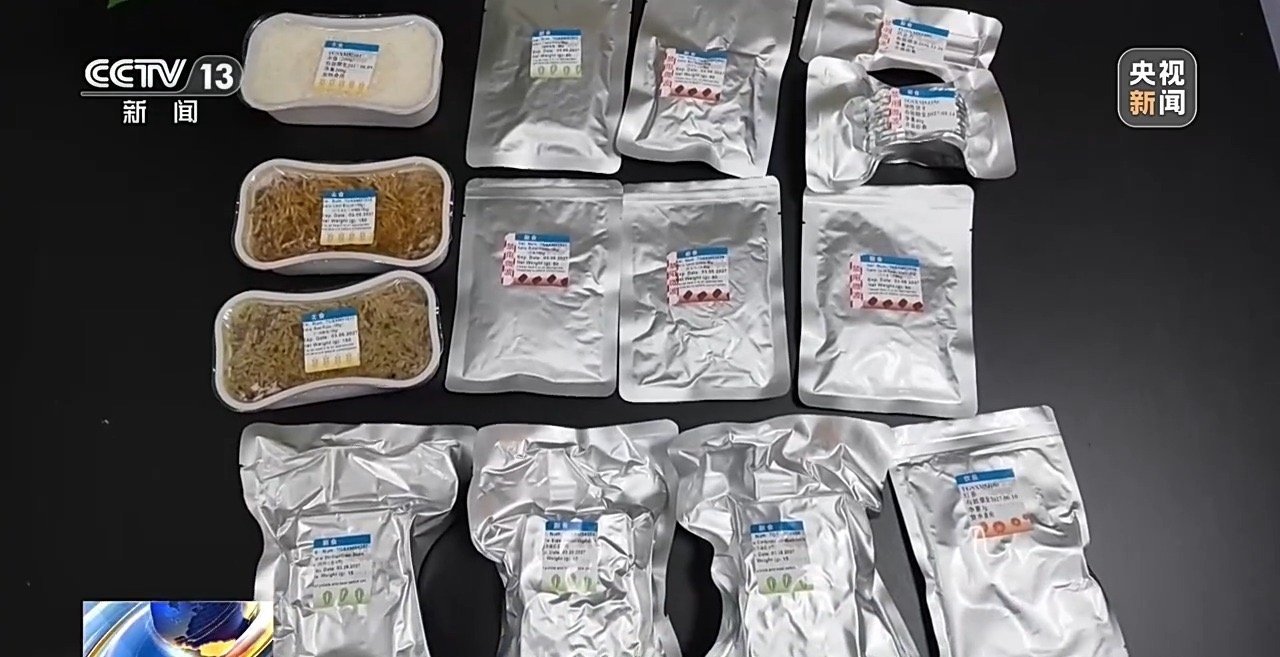
Designed specifically to honor and accommodate its Pakistani astronaut, the mission features an extraordinary, specially curated menu boasting over 100 varieties of traditional halal dishes in low-Earth orbit.
Space food engineers developed the specialized culinary lineup to ensure strict adherence to halal dietary guidelines while preserving authentic South Asian flavors in microgravity.
Among the standout delicacies prepared for the orbital banquet are classic staples such as butter chicken, rich beef nihari, aromatic lamb korma, and curried chickpeas—bringing the comforting taste of home hundreds of kilometers above Earth.
The inclusion of halal Pakistani cuisine on China’s space station underscores the meticulous planning and cultural sensitivity behind China’s human spaceflight program as it opens its doors to international astronauts.
Preparing complex, spice-rich dishes like nihari and korma for space travel requires advanced food processing, dehydration, and thermostabilization techniques so that meals remain nutritious, safe, and easy to consume without floating crumbs or liquids disrupting sensitive spacecraft instruments.
Beyond fulfilling nutritional requirements, sharing traditional meals aboard Tiangong fosters camaraderie among the international crew and symbolizes deepening bilateral cooperation in space exploration.
As Pakistan and China expand their joint scientific frontiers, the milestone of serving halal Pakistani cuisine on China’s space station stands out as a memorable cultural and technological triumph.
Strengthening Pakistan-China Ties Across Economic, Scientific, Cultural, and Social Grounds
The enduring partnership between Pakistan and China—widely celebrated as an “All-Weather Strategic Cooperative Partnership”—spans decades of multidimensional collaboration across economic, scientific, cultural, and social spheres.
On the economic front, the China-Pakistan Economic Corridor (CPEC), a flagship project of China’s Belt and Road Initiative, has transformed Pakistan’s infrastructure landscape through energy projects, highways, special economic zones, and the strategic development of Gwadar Port, fostering trade connectivity and industrial growth.
In the scientific and technological domain, bilateral cooperation has rapidly evolved from traditional defense and engineering partnerships to cutting-edge aerospace, artificial intelligence, and agricultural innovation.
Joint satellite launches, lunar mission collaborations, and the training and deployment of Pakistani astronauts aboard China’s Tiangong space station highlight the expanding frontiers of shared scientific progress.
Culturally and socially, people-to-people exchanges have flourished through educational scholarships, Confucius Institutes, joint media productions, and heritage preservation initiatives.
Butter chicken in space? Yes, it’s on the menu.
#China’s space station is hosting a dinner for six, with a specially curated halal food selection of over 100 varieties for its Pakistani astronaut, including beef nihari, lamb korma and curried chickpeas. https://t.co/hAQhojr4qG
— CGTN (@CGTNOfficial) November 25, 2026
Thousands of Pakistani students study across Chinese universities in fields ranging from medicine to aerospace engineering, building lasting interpersonal bridges. Initiatives such as accommodating halal dietary traditions in space further demonstrate mutual respect for religious and cultural values.
Together, these intertwined economic, scientific, cultural, and social bonds continue to reinforce mutual trust, regional stability, and shared prosperity for both nations.