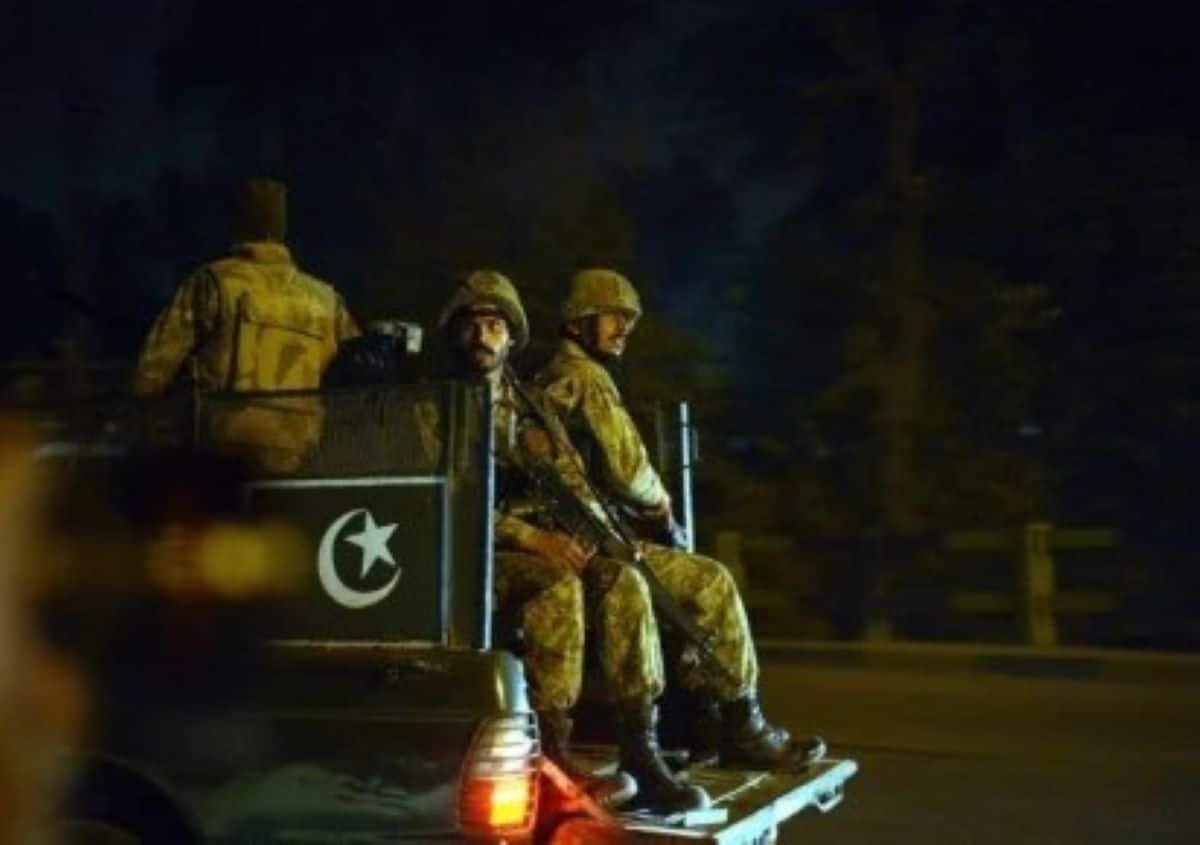
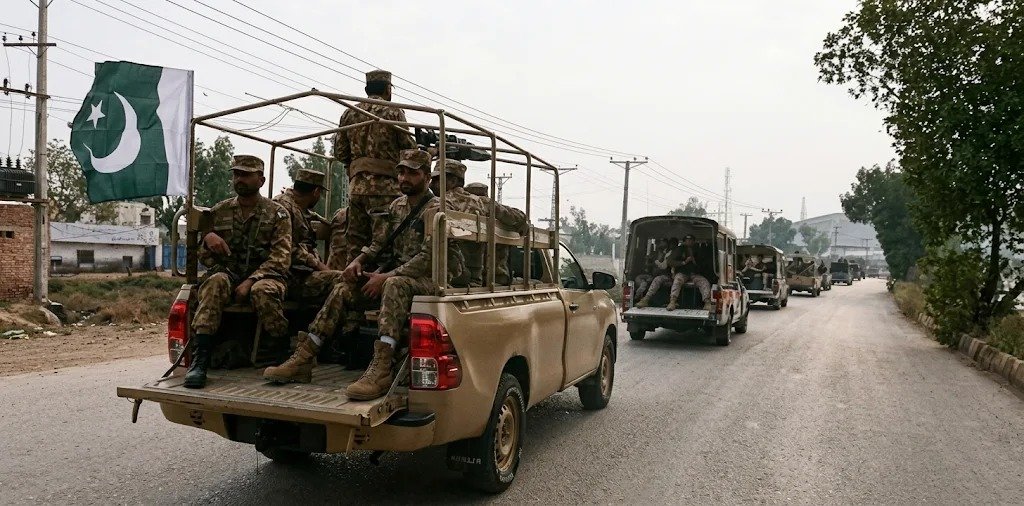
ISLAMABAD: Pakistani security forces crush militant networks across Balochistan as relentless counter-terrorism operations have decisively shifted the security landscape in favor of the state, plunging separatist outfits into severe internal turmoil, leadership crises, and unprecedented organizational fragmentation.
Through proactive intelligence-based operations (IBOs) and swift tactical responses, Pakistan’s armed forces and law enforcement agencies have systematically dismantled pre-planned, large-scale militant offensives—most notably neutralizing coordinated terrorist waves under Operation Herof 1.0 and Operation Herof 2.0.
During the decisive counter-offensive dubbed Operation Rad-ul-Fitna 2.0, security forces outmaneuvered militant formations that attempted to mass fighters across multiple districts, eliminating 216 terrorists in rapid, precision engagements while foiling dozens of simultaneous attacks on state infrastructure and civilian centers.
Decisive Battlefield Dominance Over Organized Offensives
For years, foreign-backed militant groups attempted to project operational cohesion through synchronized, multi-district assaults.
However, the superior surveillance, rapid-deployment capabilities, and tactical execution of Pakistani security forces turned these ambitious militant campaigns into strategic disasters for the insurgents.
In Operation Herof 2.0, militants abandoned traditional hit-and-run tactics in favor of concentrated assaults, a miscalculation that allowed Pakistani security forces to track, encircle, and eliminate retreating terrorist cells with overwhelming efficiency.
Similarly, follow-up sanitization drives, including Operation Radd-ul-Fitna-3 in Mastung, Quetta, and surrounding regions, have continued to wipe out militant hideouts, recover massive caches of sophisticated weapons, and neutralize dozens more operatives before they could execute planned terror plots.
Militant Ranks Implode Amid Defeat
The heavy operational losses inflicted by Pakistani forces have directly triggered a collapse in command unity across major banned outfits, demonstrating how Pakistani security forces crush militant networks not only on the battlefield, but within their own leadership structures:
- Ouster of BLA-Jeeyand Chief: Following the catastrophic failure and heavy casualties of Operation Herof 2.0, the banned Baloch Liberation Army (BLA)-Jeeyand faction abruptly deposed its longtime commander Bashir Zaib in November, replacing him with Majeed Brigade head Rahman Gul.
- The complete silence surrounding Zaib’s fate and the absence of any acknowledgment of his tenure underscore deep-seated blame and panic over failed battlefield strategies.
- Revolt Within BLA-Azad: Parallel infighting has crippled the BLA-Azad faction, where field commanders established a rival “Reformed Command Council” to depose top leader Hyrbyair Marri over charges of financial misappropriation and autocratic decision-making.
- Inter-Group Clashes: Public hostility has erupted between BLA-Azad and the Baloch Liberation Front (BLF) following disputes over operational boundaries and unauthorized use of group banners during an October attack in Dasht-e-Goran, with BLF spokesperson Major Gwahram Baloch publicly condemning BLA-Azad’s lack of discipline.
Consolidating Peace and State Writ
Security analysts note that the era of temporary militant consolidation between 2018 and 2025 has definitively ended, returning separatist groups to the bitter factionalism, turf wars, and distrust that plagued them over a decade ago.
With insurgent commanders isolated, rank-and-file fighters demoralized by relentless military pressure, and several disillusioned militants already surrendering to join state-backed peace initiatives, Pakistan’s security apparatus holds a commanding strategic advantage.
ALSO READ: Security Forces Launch Major Offensive in Nushki: Four Terrorists Killed, Weapons Cache Recovered
By continuously denying terrorists safe havens and neutralizing high-profile plots before execution, Pakistani security forces crush militant networks and reinforce lasting stability, paving the way for sustained peace, constitutional integration, and socio-economic development across Balochistan.