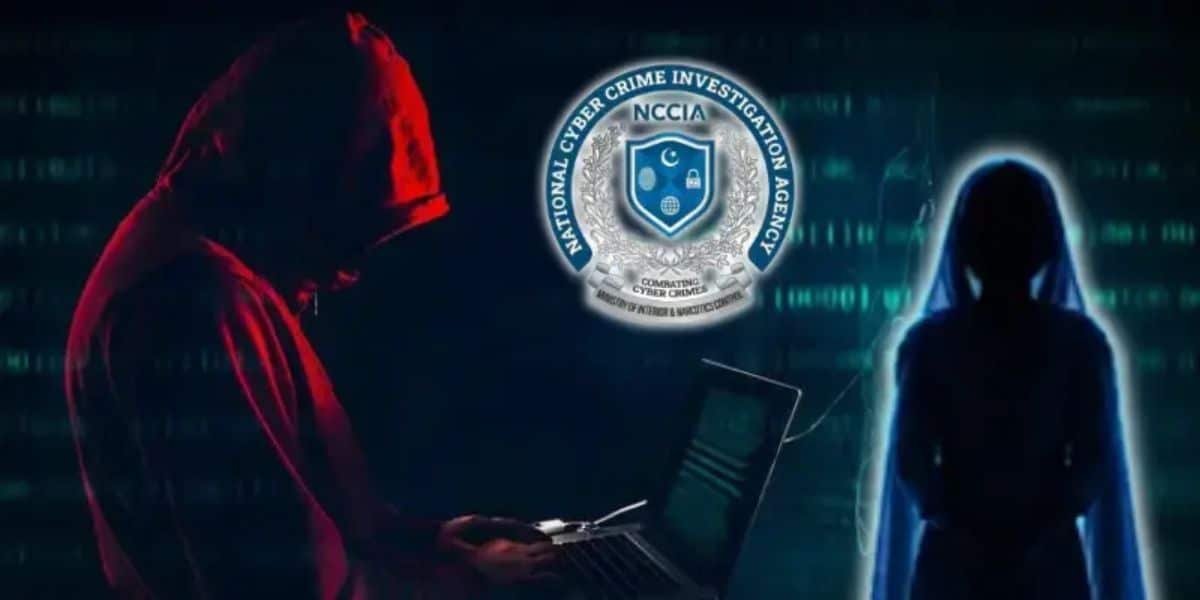
KARACHI: 13-Year-Old Girl Rescued in Karachi: Acting on intelligence provided by an international intelligence agency, the National Cyber Crime Investigation Agency (NCCIA) has rescued a 13-year-old girl who had come into contact with a dangerous online network allegedly operating through the dark web.
According to authorities, the clandestine group was systematically assigning hazardous tasks to the minor. The harrowing case has raised serious concerns regarding parental awareness, online safety, and the critical need to monitor children’s digital activities.
13-Year-Old Girl Rescued in Karachi as Dangerous Online Tasks Are Exposed
NCCIA officials revealed that the syndicate had manipulated the child into executing dangerous offline instructions: The victim was coerced into poisoning and killing a cat. The subsequent directive ordered the minor to inflict severe self-harm.
Fortunately, investigative teams intercepted the communication and intervened just before the second task could be executed, ensuring the child’s safety. Authorities have since briefed the parents on the gravity of the situation, while investigations into the complete modus operandi and identity of the network’s members remain underway.
Active Investigation and Accounts Tracking
Law enforcement is actively tracing the digital footprints and social media accounts used to establish contact with the victim. Investigators are working to identify the origin of the directives and determine whether this specific network has targeted other children across Pakistan.
A Critical Wake-Up Call for Parents
The incident highlights a dangerous blind spot regarding parental supervision, as the family remained entirely unaware of the child’s hazardous online exposure.
Cyber security and child protection experts emphasize the urgent need for parents to monitor their children’s internet usage, screen unfamiliar online contacts, and maintain open lines of communication. Empowering children to immediately report any online interaction that induces fear or encourages self-harm to a trusted adult remains vital in preventing digital exploitation.