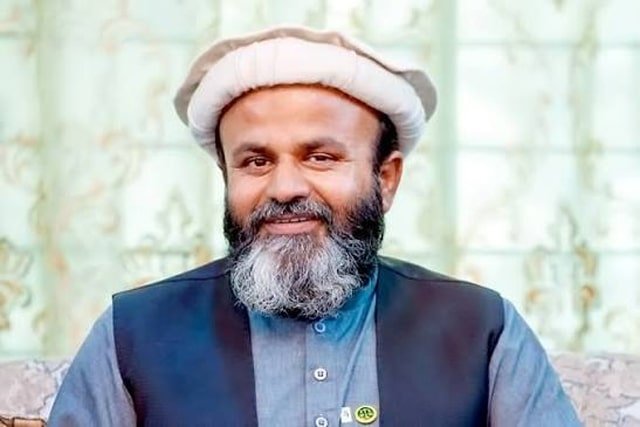
QUETTA: Medicine supplies to hospitals in Balochistan’s Rakhshan, Makran and Jhalawan divisions have been disrupted for the past three months, with consignments reportedly being looted on their way from Quetta, provincial lawmaker and Jamaat-e-Islami Balochistan chief Maulana Hidayat-ur-Rehman Baloch said.
He said vehicles carrying medicines for poor patients were leaving Quetta for hospitals in remote areas but were being robbed along the routes, worsening shortages in facilities already struggling to provide basic healthcare.
“Looting medicines meant for poor patients is unacceptable and condemnable,” Baloch said, urging the government and relevant authorities to take immediate action.
He questioned why armed groups, if responsible for the robberies, would target medicines intended for ordinary people rather than wealthy or influential individuals who could afford treatment in major cities or abroad.
“For poor people, government hospitals and the medicines available there are often their only source of treatment,” he said.
Healthcare Supplies Disrupted
Baloch said residents of remote parts of Balochistan already faced inadequate healthcare facilities and called for existing health institutions to be made functional.
He said disrupting or stealing medical supplies could not be justified, adding that actions that harmed ordinary people should not receive political or social support.
He also warned that growing obstacles to healthcare and other basic services were adding to the hardships faced by residents and contributing to instability in the province.
Call for Secure Delivery
Baloch urged the government and relevant institutions to ensure the safe and uninterrupted delivery of medicines to hospitals and immediately investigate reports of medicine trucks being looted on the routes.
He called on political parties, tribal elders and political leaders to work with the government and state institutions to improve security, justice and peace in the province.
“Millions of poor patients in remote areas already lack access to basic healthcare,” he said, adding that disruptions in medicine supplies were placing an additional burden on vulnerable communities.
Baloch said healthcare could not be allowed to suffer because of political interests, corruption or insecurity.
He urged authorities to establish an effective system for the uninterrupted supply, protection and transparent distribution of medicines at government hospitals.
“No negligence should be tolerated when it concerns the lives and health of the people,” he said.