ISLAMABAD: The government has revised fuel prices across Pakistan once again.
According to the sources, the government has officially announced a revision in petroleum product prices, ensuring that Government announces revised fuel prices across the country with a slight increase in petrol and a reduction in diesel rates.
According to sources and official notifications issued by the Petroleum Division, the price of petrol has been increased by PKR 1.19 per litre, bringing the new rate to PKR 394.83.
Conversely, the price of high-speed diesel has been decreased by PKR 1.91 per litre, setting the new price at PKR 395.85 per litre.
These updated rates have been determined and implemented for October 7, reflecting ongoing fortnightly adjustments managed by the authorities to align domestic figures with international market fluctuations.
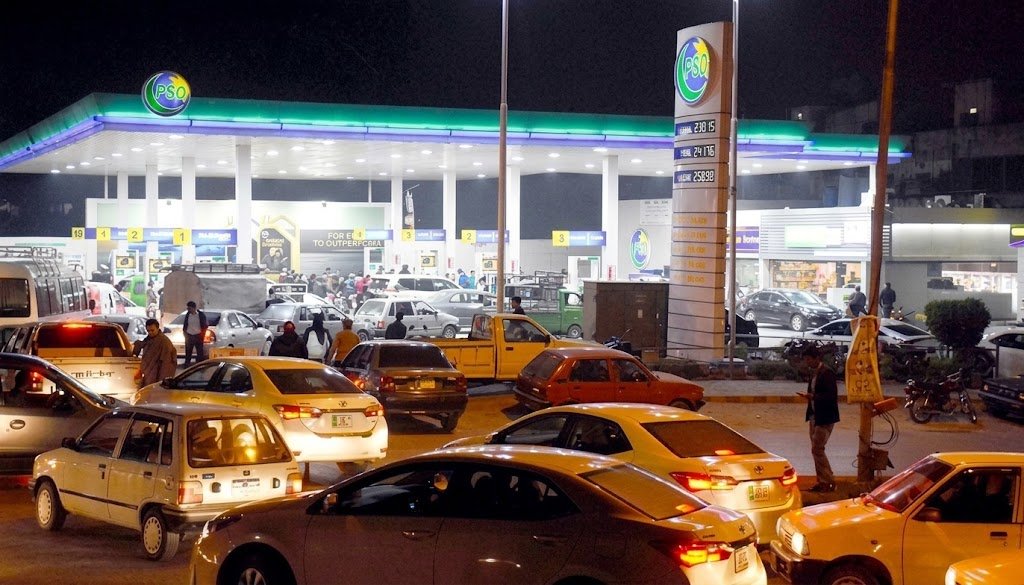
As the Government announces revised fuel prices, consumers across various sectors continue to monitor the direct impacts on transportation and daily commodities.
Analysis of Fuel Prices in Pakistan Throughout 2026 The trajectory of fuel pricing in Pakistan throughout 2026 has remained a critical economic indicator, directly influencing inflation rates, industrial production, and the general cost of living for millions of citizens.
As global crude oil markets experienced sustained volatility driven by geopolitical tensions, shifting supply chains, and fluctuating international demand, domestic petroleum management faced continuous pressure.
Throughout the year, policy frameworks adapted to balance fiscal deficit constraints with the urgent need to protect vulnerable consumer segments from extreme inflationary shocks.
The government’s adherence to fortnightly price reviews has ensured transparency, though frequent adjustments have kept businesses and commuters on high alert regarding logistics and budgeting.
Energy sector experts note that maintaining stable fuel pricing mechanisms is vital for sustaining macroeconomic recovery and fostering competitive industrial growth.
High petroleum costs historically ripple through agricultural transport, power generation, and manufacturing sectors, making every incremental change a matter of significant public interest.
In response, policymakers have increasingly emphasized long-term structural reforms, exploring alternative energy sources, and optimizing domestic refining capacities to mitigate the heavy reliance on imported fuels.
ALSO READ: IMF agrees to continue fuel subsidy scheme under strict conditions
As the year progresses, the balancing act between international market realities and domestic affordability continues to define economic governance, ensuring that when the Government announces revised fuel prices, public and commercial sectors can anticipate and adjust to the evolving financial landscape.