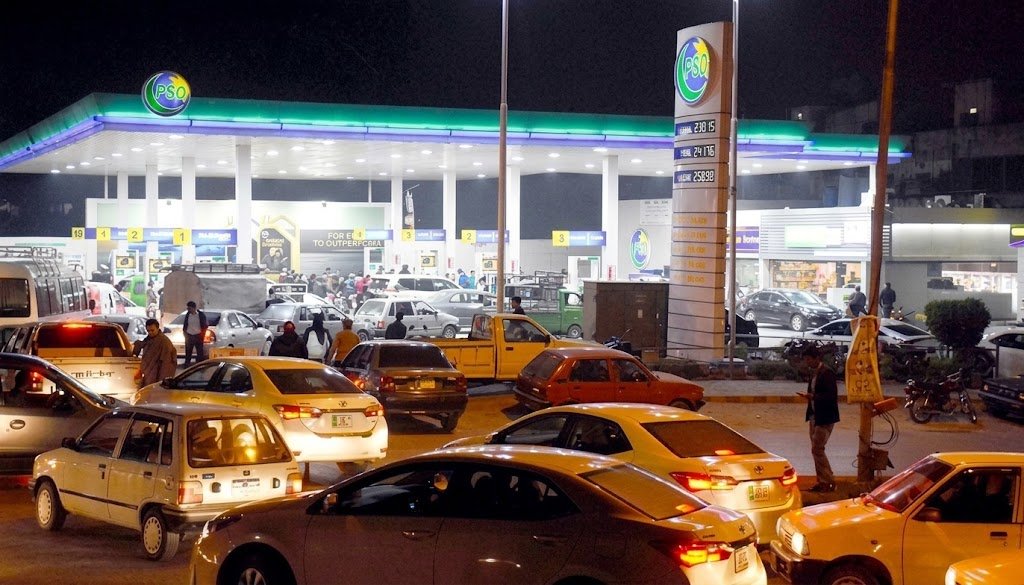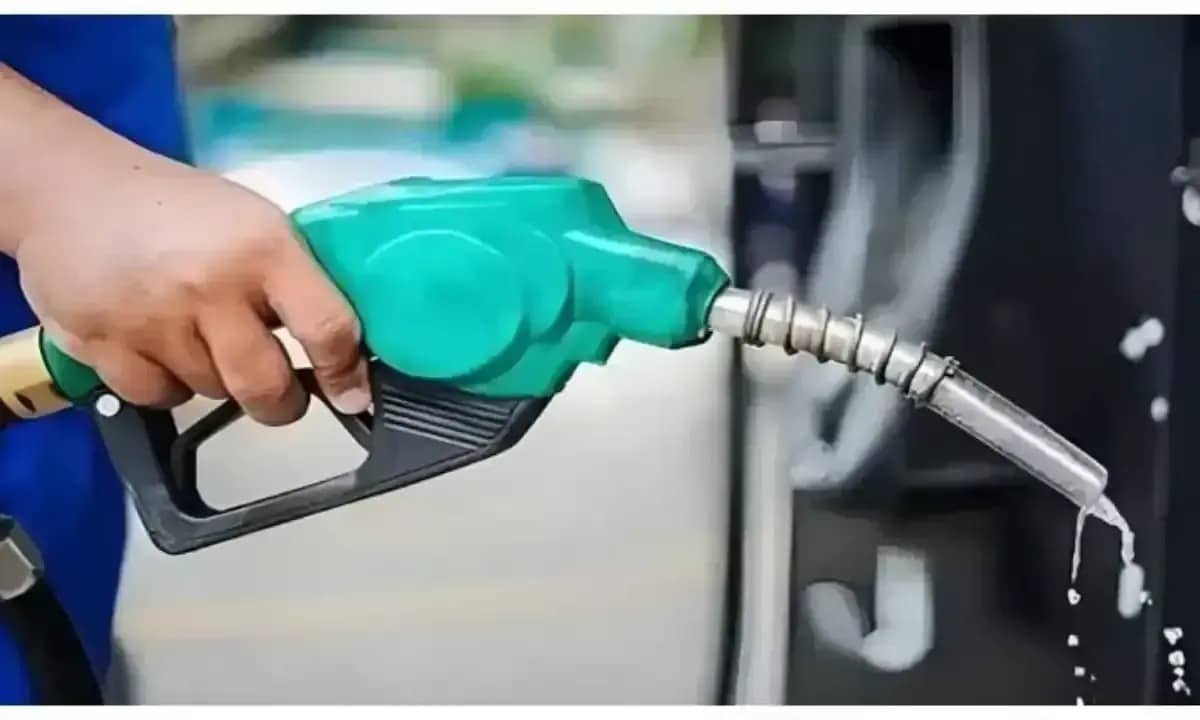
ISLAMABAD: Fuel prices are hiked once again in Pakistan.
According to the sources, fuel prices in Pakistan in 2026 continue to remain highly sensitive to international oil market developments, with the federal government making frequent adjustments to petroleum prices amid continued volatility in global energy markets.
According to the latest notification issued by the Petroleum Division, petrol was fixed at Rs396.65 per litre, while high-speed diesel (HSD) was set at Rs394.94 per litre with effect from October 8, 2026.
The government increased petrol by Rs1.82 per litre while reducing the HSD price by 91 paisas.
The latest revision came after several changes in petroleum prices during September and October.
Pakistan shifted to a daily petroleum pricing mechanism in July 2026 in response to increased volatility in international oil markets.
Fuel Prices in Pakistan in 2026: Global Markets and Domestic Pressure
The year 2026 has been particularly challenging for fuel markets in Pakistan because international crude and refined-product prices have been affected by geopolitical tensions and disruptions to energy supplies.
Reuters reported in October that global oil markets remained volatile amid the conflict involving Iran and continuing concerns over Middle Eastern supply routes.
Brent crude was trading around $100 per barrel in early October, while diesel markets faced particularly strong pressure.
Fuel Prices in Pakistan in 2026, Pakistan Petrol Price, Pakistan Diesel Price, Petrol Price Today, Diesel Price Today, Petroleum Prices Pakistan, Fuel Price Hike, Pakistan Economy.