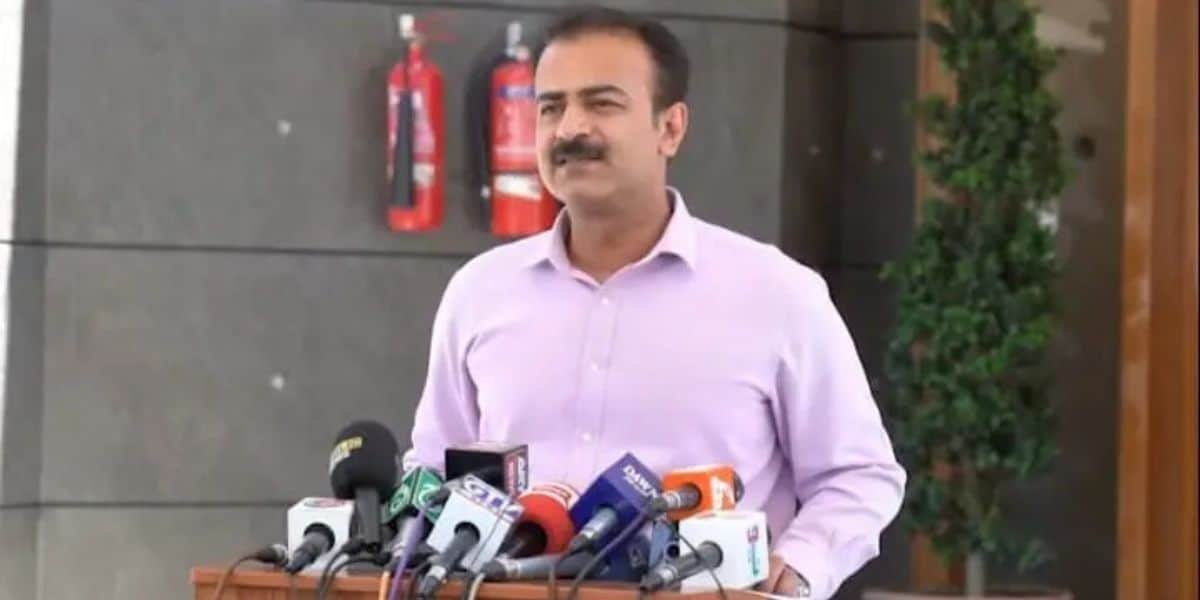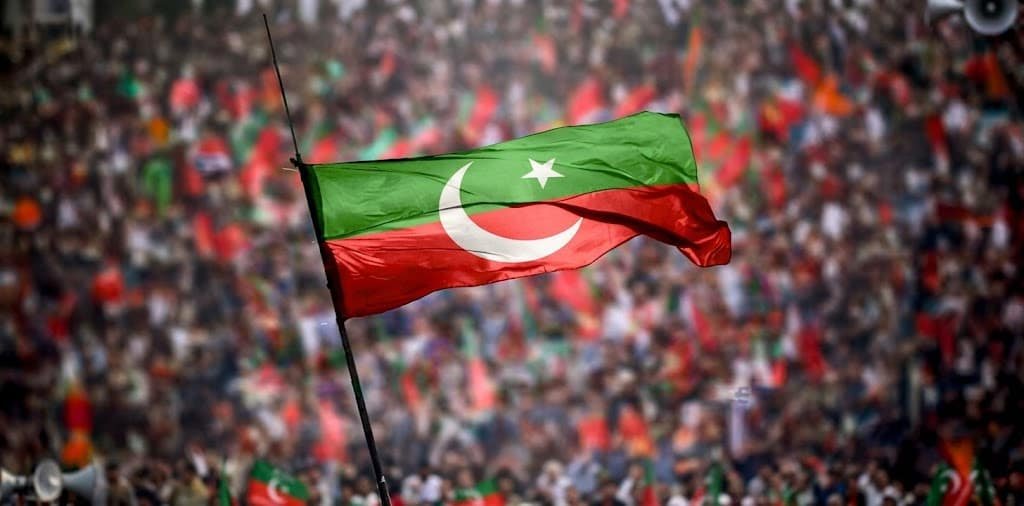
ISLAMABAD: Tariq Fazal Chaudhary has denied the chances of PTI’s lawmakers resigning from the National Assembly. According to the news report, Tariq Fazal Chaudhry claims forward block in PTI as over 40 lawmakers refuse resignations
Federal Minister for Parliamentary Affairs Tariq Fazal Chaudhry has revealed the emergence of a major forward block within Pakistan Tehreek-e-Insaf (PTI) across both the National Assembly and the Khyber Pakhtunkhwa (KP) Assembly.
According to the minister, if the party leadership proceeds with issuing a call for en masse resignations, more than 40 PTI members of the National Assembly will refuse to obey the command, signaling widespread internal friction as Tariq Fazal Chaudhry claims forward block in PTI as over 40 lawmakers refuse resignations.
Speaking on the matter, Tariq Fazal Chaudhry stated that PTI’s politics of confrontation and agitational strikes have fundamentally failed and alienated its own parliamentarians.
He asserted that PTI members who previously resigned from legislative bodies came to regret their decisions, adding that lawmakers are increasingly unwilling to endorse policies that destabilize the nation.
He emphasized that the likelihood of a forward block in the Khyber Pakhtunkhwa Assembly is also becoming prominent.
The minister’s remarks coincided with heightened political tensions following the signing of an order by President Asif Ali Zardari imposing Governor’s Rule and Emergency in KP, which was followed by the detention of key PTI figures, including Suhail Afridi, amidst reports where Tariq Fazal Chaudhry claims forward block in PTI as over 40 lawmakers refuse resignations.
Note on PTI’s Protest Stance and Governor’s Rule Emergency in KP
Pakistan Tehreek-e-Insaf (PTI) has maintained a confrontational political strategy centered around street protests, rallies, and boycott threats to press its demands regarding parliamentary legitimacy and electoral reforms.
However, this aggressive stance has frequently drawn severe pushback from the federal coalition government and law enforcement agencies, leading to repeated standoffs in major urban centers and legislative assemblies.
The political confrontation reached a critical juncture following the imposition of Governor’s Rule and a state of Emergency in Khyber Pakhtunkhwa by President Asif Ali Zardari.
Under the constitutional emergency framework, executive powers in the province were restructured, leading to a immediate crackdown on political gatherings and the detention of several high-profile PTI leaders, including Suhail Afridi.
The federal government defended the measure as a necessary step to restore administrative order and prevent political chaos, whereas PTI leadership strongly condemned the move as an unconstitutional assault on provincial autonomy and democratic mandates.
The imposition of emergency governance in KP, coupled with internal party dissent, presents a formidable challenge to PTI’s political trajectory.
While party leaders continue to advocate for public mobilization against the federal setup, the combination of state executive actions, legal pressures, and parliamentary defections threatens to undermine their collective bargaining power.
ALSO READ: PTI Leaders in Police Custody After KP Governor’s Rule
Furthermore, reports where Tariq Fazal Chaudhry claims forward block in PTI as over 40 lawmakers refuse resignations highlight how parliamentary pressure and constitutional sanctions in KP are reshaping the dynamics between opposition lawmakers and the central party leadership.