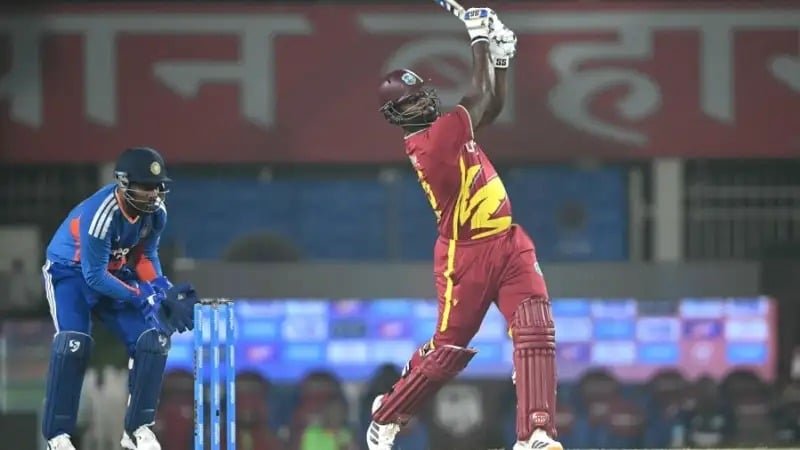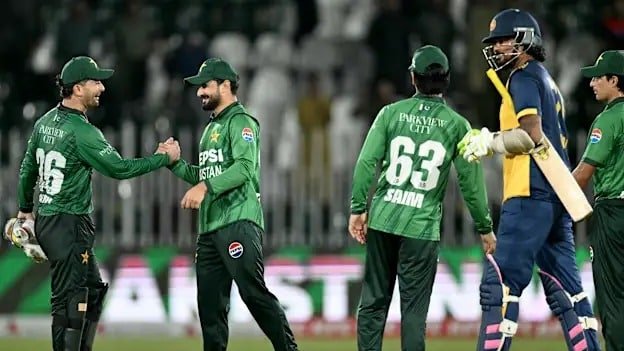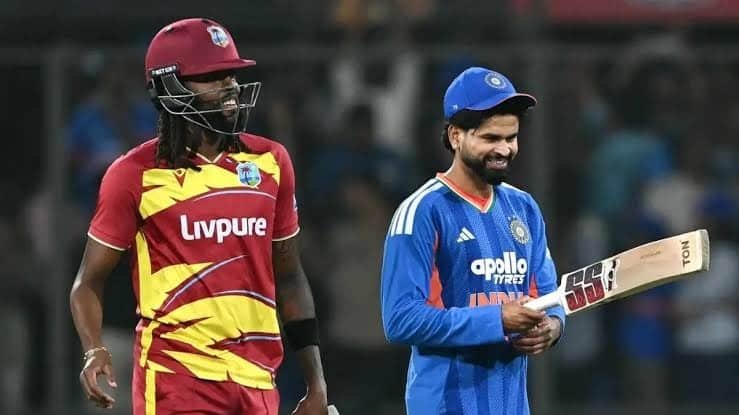
Hyderabad: The fourth T20i between India and West Indies met an unusual ending.
According to the details, I n an unprecedented turn of events during the fourth T20I in Hyderabad, Indian captain Shreyas Iyer recalls batter early in 4th T20I after fast bowler Arshdeep Singh suffered a painful shoulder injury while chasing West Indies’ towering target of 248 runs.
With India struggling at 223/9 and needing 24 runs off the final three deliveries, Arshdeep was visibly in severe discomfort following a short delivery from Shamar Joseph.
Recognizing the imminent risk to the player’s health ahead of upcoming international fixtures, skipper Shreyas Iyer recalls batter early in 4th T20I, signaling Arshdeep to retire hurt and forfeit the remaining balls.
This unusual call effectively concluded India’s innings at 223/9 in 19.3 overs, handing West Indies a 24-run victory and leveling the five-match series at 2-2.
Cricket historians and commentators noted that while players occasionally retire out or retire hurt during matches, a captain actively withdrawing their last available batter to end an ongoing chase before overs expire stands as an extraordinary tactical moment in international T20 cricket.
Ultimately, the decision underscored prioritized player welfare, as Shreyas Iyer recalls batter early in 4th T20I to protect a key fast bowler.
Unconventional Captaincy Decisions in International Cricket History
Throughout cricket history, team captains have occasionally made surprising, tactical, or controversial decisions that left fans, opponents, and pundits stunned.
One of the most famous examples occurred in 1981, when Australian captain Greg Chappell instructed his brother Trevor Chappell to bowl an underarm delivery on the final ball against New Zealand to prevent Brian McKechnie from hitting a match-tying six.
Although technically legal at the time, the move sparked immense international outrage and led to an immediate ban on underarm bowling in limited-overs cricket.
Another notable instance occurred during the 1999 World Cup, when South African captain Hansie Cronje wore an earpiece onto the field to receive tactical instructions from coach Bob Woolmer.
The earpiece was quickly banned mid-match by match referee Clive Lloyd for violating regulations. In Test cricket, declarations have also triggered intense debates—such as Rahul Dravid declaring India’s innings in Multan in 2004 while Sachin Tendulkar was unbeaten on 194*, leaving him six runs short of a double century.
ALSO READ: West Indies Beat India by 24 Runs in 4th T20I: Series Levelled
Similarly, tactical declarations by Mike Brearley or early forfeitures in rain-affected games demonstrate how captains sometimes break routine conventions to force results, protect player safety, or exploit unique rule provisions.