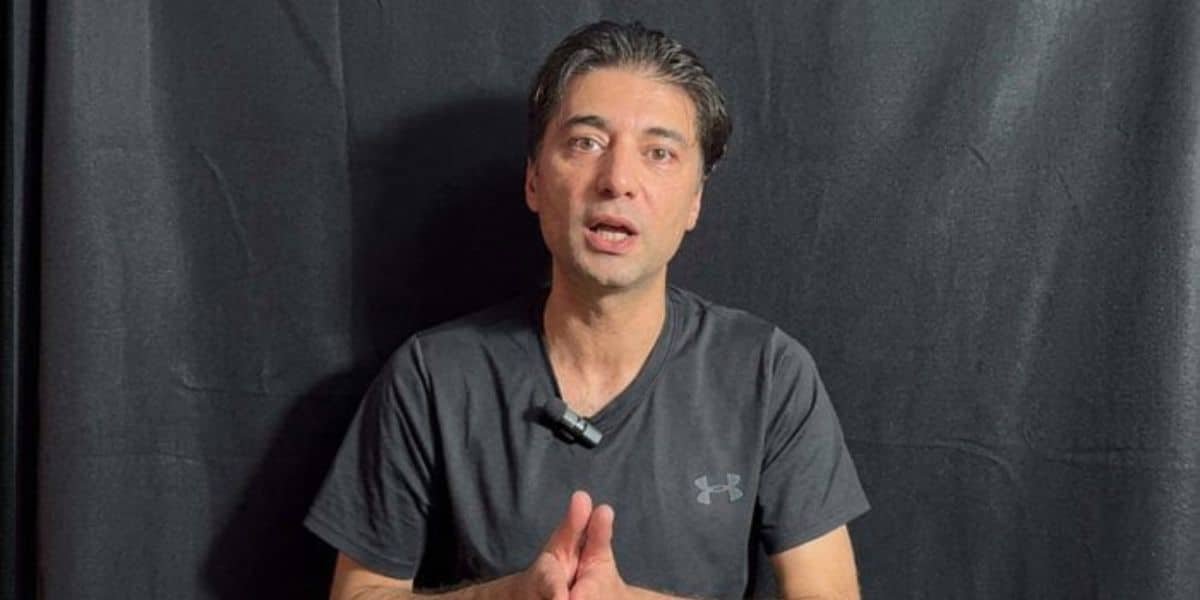
ISLAMABAD: Murad Saeed Reportedly in Afghanistan has raised fresh security concerns following claims that Pakistan Tehreek-e-Insaf (PTI) leader Murad Saeed is staying in Sharan, the capital of Afghanistan’s Paktika province. The reports, attributed to security sources, also allege that he has received local shelter of TTA and support from individuals linked to militant networks. However, these claims require independent verification.
Murad Saeed Reportedly in Afghanistan: What the Reports Claim
According to the reported intelligence assessments, Murad Saeed is believed to be in Sharan, Paktika province. The reports further allege that local individuals have provided him with shelter, potentially allowing him to remain outside Pakistan while facing legal proceedings.
The claims have raised questions about cross-border security, the possible presence of wanted individuals in neighboring Afghanistan, and the challenges facing authorities seeking to enforce domestic legal processes.
However, the reported location and alleged links to militant networks have not been independently established in the information available for this report. No definitive conclusion can be drawn without corroborating evidence or an official response from the individuals and authorities concerned.
Cross-Border Security and Alleged Local Support
The reported presence of a wanted political figure in Afghanistan has renewed attention on security cooperation between Islamabad and Kabul. Allegations of local facilitation, if substantiated, could raise concerns about border management, law enforcement coordination, and efforts to prevent militant networks from operating across the region.
Authorities in both countries face ongoing challenges in addressing cross-border security concerns. Any assessment of the case would require reliable evidence concerning the individual’s whereabouts, the nature of any alleged assistance, and the identities and affiliations of those reportedly involved.
Legal Proceedings and Official Responses
The case also highlights questions surrounding due process and cooperation between neighboring states in matters involving individuals facing legal proceedings. Any action concerning a wanted person would need to follow applicable domestic laws and relevant legal procedures.
As of the information provided, independent confirmation of Murad Saeed’s reported presence in Paktika, the alleged local support, and any connection to Tehreek-e-Taliban Pakistan (TTP) has not been established. An official response from the relevant Afghan and Pakistani authorities, as well as Murad Saeed’s position on these allegations, would help clarify the situation.