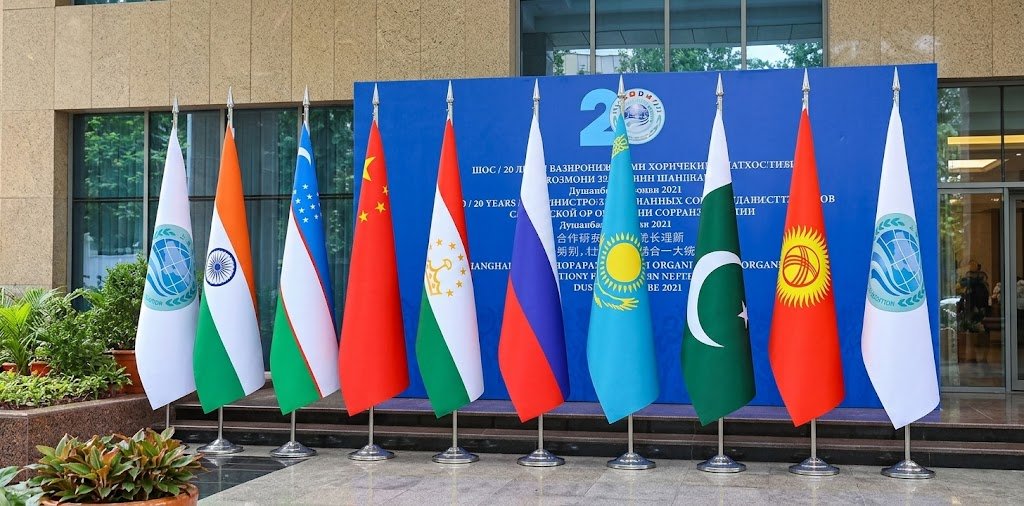
ISLAMABAD: India extends invitation to Pakistan for key SCO meeting in Delhi next month.
According to the reports, strengthening regional multilateral engagements, India extends invitation to Pakistan for key SCO Culture Ministers meeting in New Delhi, scheduled to be held on November 20-21.
The formal invitation, dispatched by the host nation India, has been received by Pakistan’s Minister for National Heritage and Culture, Aurangzeb Khan Khichi.
According to sources within the Ministry of Foreign Affairs, Pakistani authorities are currently reviewing the invitation.
Both Pakistan and India are permanent members of the Shanghai Cooperation Organisation (SCO) and have a consistent history of uninterrupted participation in official SCO meetings hosted by either country.
For instance, India extends invitation to Pakistan for key SCO Culture Ministers meeting in New Delhi, following high-level visits such as former Pakistani Foreign Minister Bilawal Bhutto Zardari’s attendance at the SCO Foreign Ministers’ meeting in Goa in May 2023, and Indian External Affairs Minister S. Jaishankar’s recent visit to Islamabad in October 2024 for the SCO Council of Heads of Government meeting.
Additionally, India’s SCO National Coordinator, Alok Dimri, visited Islamabad last month.
A final decision regarding Pakistan’s participation in the upcoming two-day event will be announced by the relevant Pakistani authorities soon, following an internal consultative process, as India extends invitation to Pakistan for key SCO Culture Ministers meeting in New Delhi and prepares to host fellow member states.
Pakistan’s Perspective Regarding India’s Backing of Cross-Border Terrorism
Pakistan has consistently voiced profound concerns at international and bilateral forums regarding the compelling evidence linking Indian state institutions to the planning, financing, and execution of cross-border terrorism within Pakistani territory.
This perspective holds that India utilizes localized non-state actors, splinter groups, and hostile intelligence agencies from neutral third-party nations to wage a “hybrid war” aimed at destabilizing Pakistan socially, politically, and economically.
Key to this narrative is India’s sophisticated patronage of various separatist groups operating in critical regions like Balochistan and Khyber Pakhtunkhwa, aimed at disrupting vital strategic and infrastructure projects, most notably the China-Pakistan Economic Corridor (CPEC).
Pakistan maintains that India provides advanced military training, substantial logistics, secure communication tools, and massive financial support to banned militant outfits such as the Balochistan Liberation Army (BLA) and the Tehrik-e-Taliban Pakistan (TTP).
Pakistani intelligence agencies possess detailed dossiers containing forensic data, banking records, intercepted communications, and high-level confessions—including that of Kulbhushan Jadhav, a serving Indian Navy officer arrested for espionage and sabotage in Balochistan—which directly implicate India’s Research and Analysis Wing (R&AW).
Pakistan considers this state-sponsored backing of lethal proxies as a severe violation of international law, the UN Charter, and principles of sovereign equality.
It has consistently called upon the international community and UN bodies to hold India accountable, demanding it immediately dismantle the terror infrastructure operating from its soil and adjacent regions.
ALSO READ: US Secretary of State Emphasizes US Needs Ties with Pakistan as India Needs Iran
Pakistan firmly believes that addressing this state-backed cross-border terrorism is foundational to achieving lasting peace and stability in South Asia.