ISLAMABAD: Electricity per unit price is likely to increase in Pakistan.
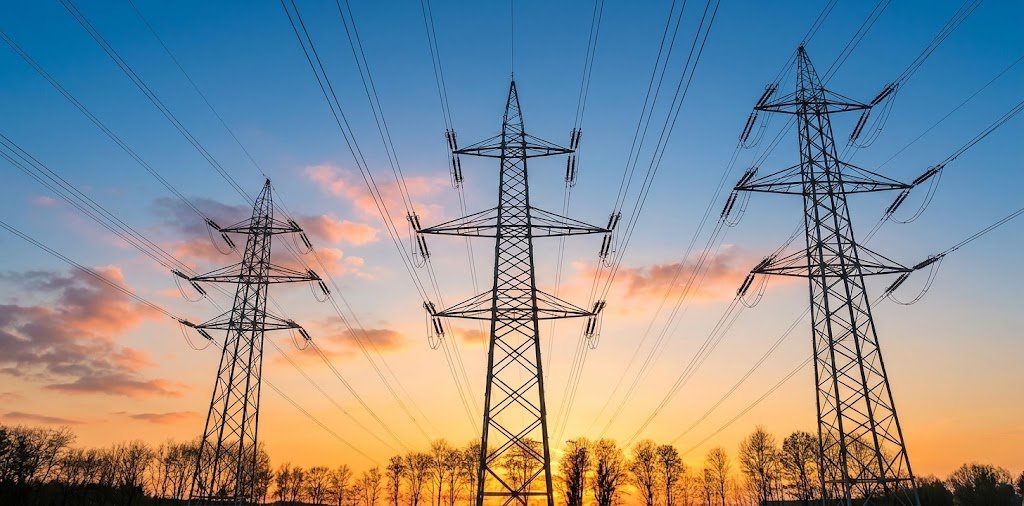
According to the details, Driven by surging fuel costs in the international market, electricity prices are likely to increase by Rs 2.56 per unit, threatening to impose a heavy financial burden of Rs 32.7 billion on consumers across Pakistan.
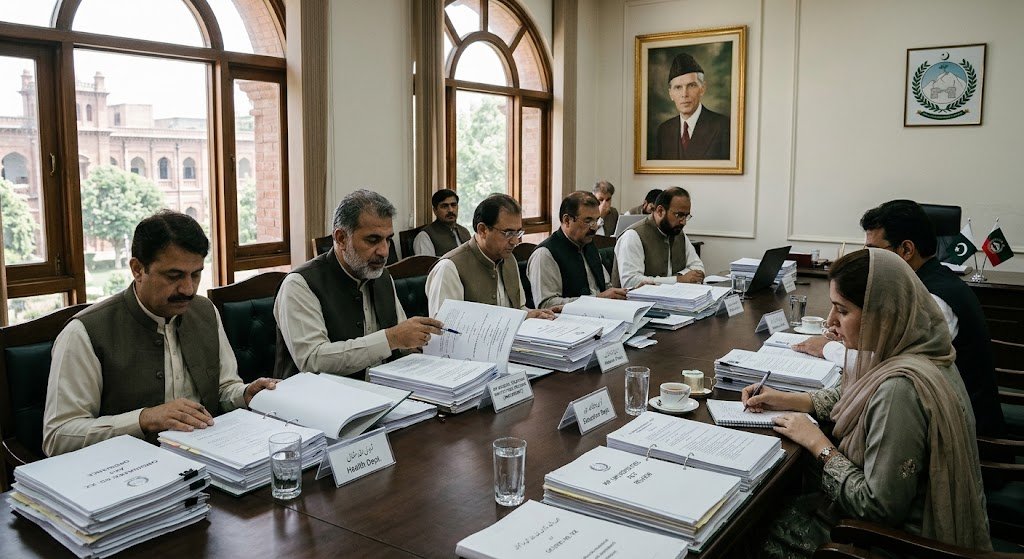
The National Electric Power Regulatory Authority (NEPRA) conducted a public hearing regarding the application filed by the Central Power Purchasing Agency (CPPA) under the monthly Fuel Cost Adjustment (FCA) for September.
During the hearing, CPPA officials maintained that prices of all major generation fuels, including Re-gasified Liquified Natural Gas (RLNG) and coal, experienced significant increases in the global market.
Officials reported that global coal prices rose by $15 per ton, while bids for RLNG spot cargoes were received at $27 per MMBTU, which reached nearly $33 per MMBTU once additional handling charges were included.
Due to these high bids, the spot cargo procurement was cancelled, leading to higher generation costs that ultimately left no option but to request that electricity prices are likely to increase by Rs 2.56 per unit.
Note on Electricity Rates in Pakistan in 2026
The electricity tariff structure in Pakistan in 2026 reflects unprecedented financial pressure on both residential and commercial consumers, driven by rising global fuel costs, capacity payment obligations, and structural power sector reforms.
Under the uniform national base tariff framework managed by NEPRA, average base rates stand around Rs 33.38 per unit.
However, after accounting for progressive slab-based tariffs, non-protected residential consumers pay baseline rates ranging from Rs 22.44 per unit for minimal usage up to Rs 47.69 per unit for upper-bracket consumption exceeding 700 units per month.
When monthly Fuel Cost Adjustments (FCA), fixed charges, electricity duty, GST, and financing surcharges are added to electricity bills, the effective cost per unit routinely reaches between Rs 38 and Rs 55 for average households, and up to Rs 65 for commercial establishments.
While protected consumers maintaining consumption below 200 units receive subsidized protection with lower slab rates, the broader population faces continuous monthly fluctuations.
Consequently, persistent inflationary pressure and monthly fuel adjustments are driving a rapid transition toward distributed solar energy solutions across urban and industrial sectors in Pakistan.
ALSO READ: Government Considers Ending Six-Month Additional Electricity Tariff Penalty
If approved by NEPRA, the decision that electricity prices are likely to increase by Rs 2.56 per unit will affect all power distribution companies (DISCOs) except K-Electric in their upcoming monthly billing cycle.