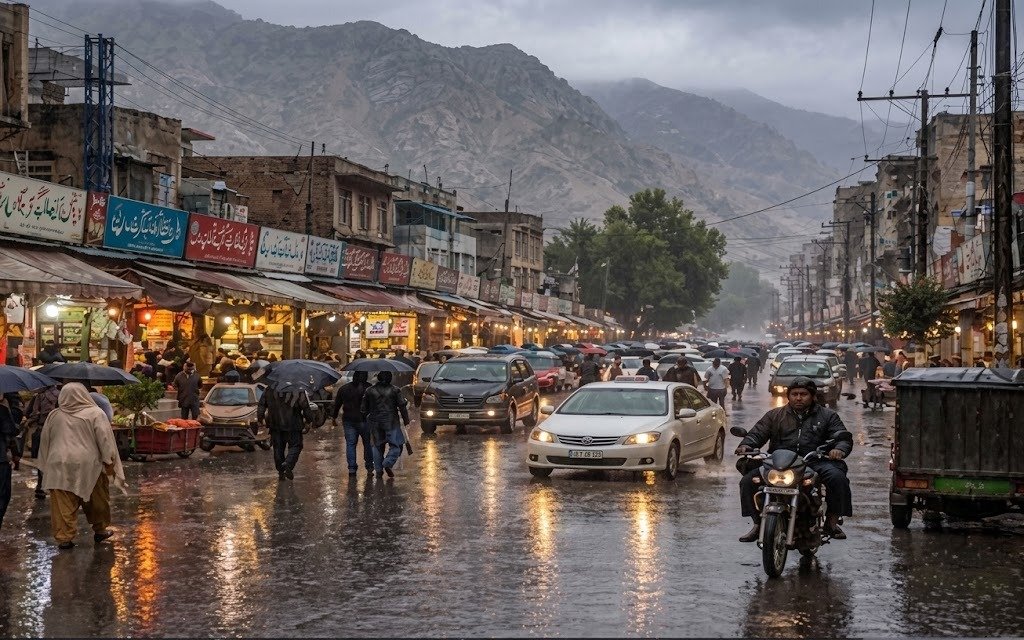
QUETTA: Winter season has arrived in Quetta raising the prices of warn clothes. According to the sources, with the seasonal shift bringing an early chill to the regional atmosphere, the arrival of winter in Quetta has prompted citizens to begin purchasing cold-weather apparel to protect themselves from severe temperatures.
Amid rising inflation across general commercial centers, low-income and middle-class residents are turning in large numbers toward budget-friendly open markets to fulfill their seasonal necessities.
At the dedicated thrift market located on Joint Road, footfall has surged dramatically.
Traders at this location offer a wide selection of both new and pre-owned warm garments at significantly reduced prices compared to high-end retail outlets.
From colorful sweaters and heavy jackets to children’s footwear and winter accessories, the diverse collection remains the primary point of interest for local buyers trying to manage household budgets.
Local residents expressed that soaring prices in mainstream markets have made it increasingly difficult to purchase winter wardrobe items for entire families.
In this context, the arrival of winter in Quetta makes these affordable markets a vital alternative for procuring essential gear within strict financial limits. Simultaneously, vendors reported a welcome boost in business activity as rising demand revitalizes overall trade across the city following the arrival of winter in Quetta.
Note: The Severity and Socio-Economic Impact of Winters in Balochistan
Balochistan experiences some of the most severe winter conditions in Pakistan, particularly across its northern and central high-altitude regions such as Quetta, Kalat, Ziarat, and Kan Mehtarzai.
As sub-zero temperatures settle in during late autumn, icy winds locally known as Kandahari Hawa sweep through the valleys, abruptly driving down daily temperatures and creating challenging living conditions for residents.
Unlike warmer provinces, winter in Balochistan is not merely a seasonal shift; it represents a demanding period that impacts public health, infrastructure, daily mobility, and household economies.
The arrival of severe cold exacerbates existing infrastructure vulnerabilities. Frequent load-shedding of electricity and drop in natural gas pressure leave many households struggling to maintain indoor heating, forcing families to rely on traditional firewood, coal, or liquid petroleum gas (LPG), which increases household expenses.
For vulnerable socio-economic groups, obtaining adequate thermal clothing, blankets, and heating fuel becomes an urgent financial priority.
Additionally, road networks and high-altitude mountain passes occasionally face blockages due to heavy snowfall and frost, disrupting supply chains and inflating the costs of essential commodities.
ALSO READ: Heavy Rains and Thunderstorms Expected Across Punjab
Consequently, the winter season underscores the necessity for targeted municipal planning, subsidized heating alternatives, and accessible relief support for underserved communities across the province.