DHAKA: Saudi authorities have executed a Bangladeshi man and woman in Makkah following their conviction for indecent acts inside Makkah mosque.
According to a statement issued by the Saudi Ministry of Interior via the Saudi Press Agency (SPA), the individuals were identified as Nazarul Islam Abdul Basir and Seeti Akhtar.
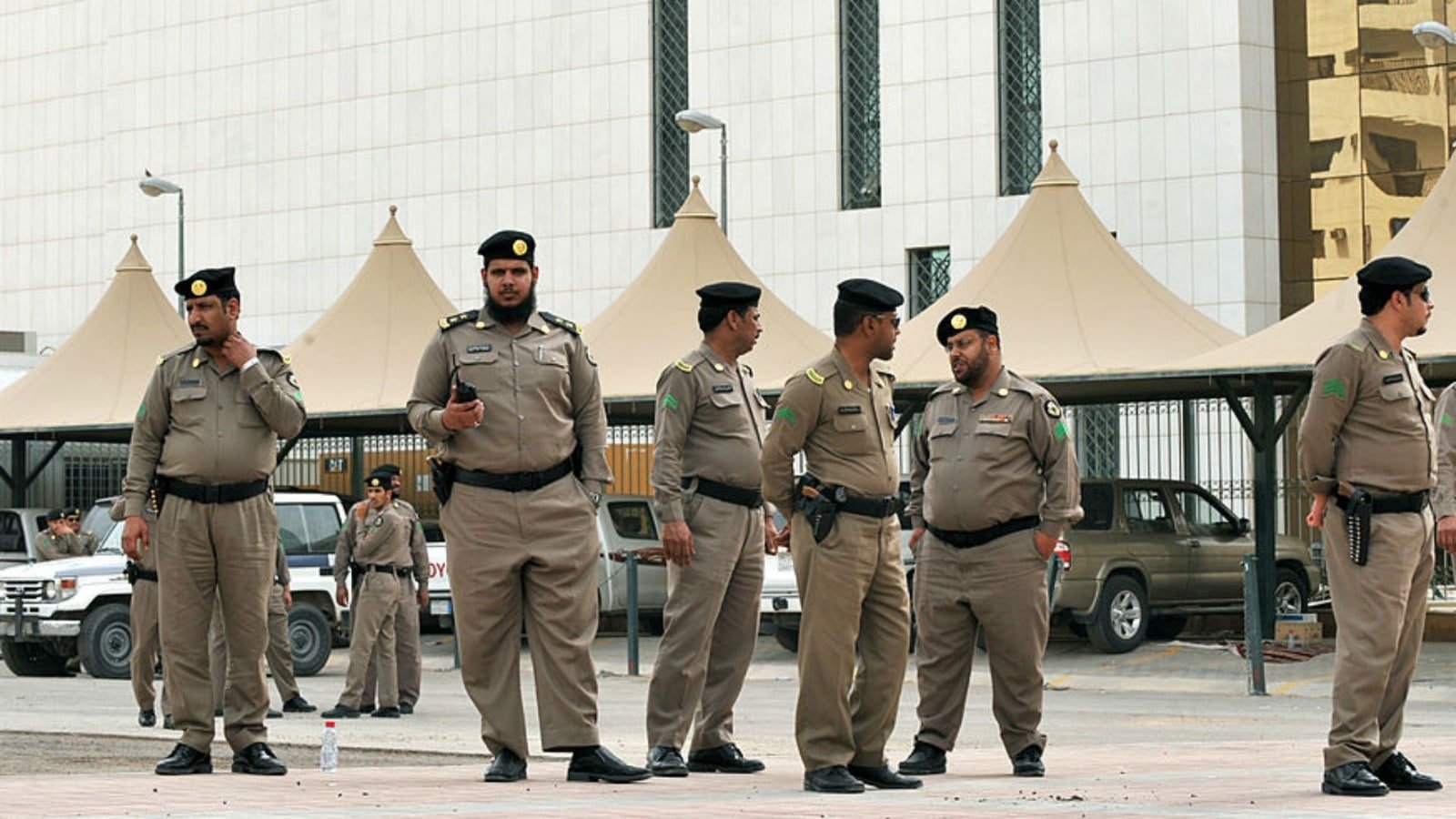
Security officials arrested the pair following reports of indecent acts inside Makkah mosque, initiating a comprehensive investigation that led to formal charges presented before a competent court.
Upon examining the evidence, the court found both individuals guilty and passed a capital punishment sentence under discretionary Islamic law (Ta’zir).
The judgment was subsequently upheld by higher judicial authorities and authorized via a royal order to enforce the execution. Reaffirming its zero-tolerance stance against violations of sacred spaces, the Interior Ministry stressed that Saudi Arabia remains committed to enforcing strict legal measures against anyone committing indecent acts inside Makkah mosque or any other holy site.
Note on Saudi Legal Framework Regarding Public Indecency and Sacred Site Protection
Saudi Arabia enforces a comprehensive legal framework rooted in Islamic Jurisprudence (Sharia) to maintain public order, preserve morality, and safeguard religious sanctuaries.
The Kingdom’s legal statutes draw distinction between fixed Quranic penalties (Hudud) and discretionary judicial punishments (Ta’zir). Under Ta’zir, judges possess broad authority to impose severe penalties—including capital punishment—for offenses that severely breach social order, violate religious sanctity, or cause grave public harm.
Complementing religious law, Saudi Arabia enacted the Law of Public Decency (Anti-Indecency Regulation), which codifies acceptable behavior in public spaces and enforces penalties for actions that compromise public decorum, modesty, or religious sensitivities.
When offenses take place within holy sanctuaries—such as the Grand Mosque in Makkah or the Prophet’s Mosque in Madinah—the legal repercussions escalate significantly.
The Saudi judicial system treats places of worship as inviolable zones where acts of indecency, sacrilege, or disruption carry the highest statutory and discretionary penalties. The Ministry of Interior and specialized security forces continuously monitor religious sites to maintain decorum and safety for millions of pilgrims annually.
ALSO READ: Indian athlete displays unsportsmanlike behavior at Asian Games
By issuing firm judicial rulings against violations in sacred spaces, the Saudi government sends a clear message regarding its strict enforcement of public decency laws and its unwavering obligation to uphold the sanctity of Islamic holy sites across the Kingdom.