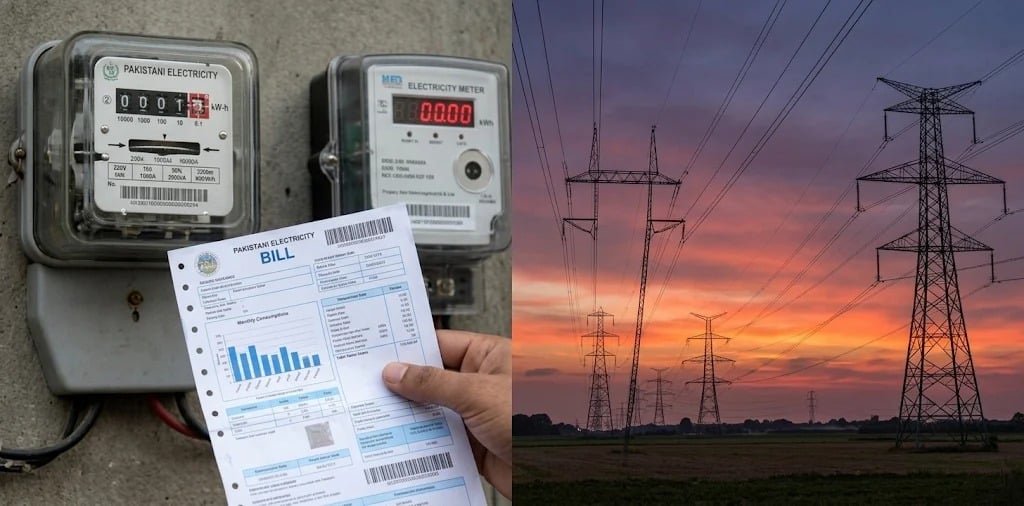
ISLAMABAD: NEPRA Approves Rs 1.34 Per Unit Hike in National Electricity Tariff.
According to the sources, the National Electric Power Regulatory Authority (NEPRA) has reserved its decision after concluding a public hearing on a petition filed by power distribution companies (DISCOs), paving the way for an increase in national electricity tariff across Pakistan.
The regulatory body heard arguments regarding the third quarterly adjustment for the fiscal year 2026.
During the hearing, presided over by NEPRA Chairman Waseem Mukhtar Chaudhry, it was revealed that DISCOs are seeking to collect an additional Rs 23.33 billion from consumers.
This financial impact translates to a uniform hike of Rs 1.34 per unit in the national electricity tariff for all consumers, including those in Karachi.
The proposed increase is slated to be effective from December 2026 to February 2027.
The DISCOs’ request primarily stems from increased financial obligations, specifically Rs 38.92 billion in capacity charges and Rs 5.59 billion under the operation and maintenance head.
Furthermore, NEPRA confirmed that this quarterly adjustment for the July-September 2026 period would also be applicable to K-Electric consumers.
While the regulatory body has reserved the detailed verdict, the approval effectively means another tariff burden is imminent for households and businesses, sparking concerns over the rising cost of living.
This latest adjustment underscores the persistent financial challenges within the power sector, which continue to exert upward pressure on the national electricity tariff.
Electricity Unit Prices in Past Two Years
The electricity unit price in Pakistan has witnessed a significant and consistent upward trajectory over the past two years (2025-2026), driven primarily by external economic factors, currency devaluation, and structural issues within the power sector.
The period was marked by soaring global energy prices, especially following geopolitical instability, which directly inflated the cost of imported fuels for power generation.
This, coupled with a substantial devaluation of the Pakistani Rupee, made fuel and debt servicing costs significantly higher.
The tariff hikes were further necessitated by the need to pay mounting capacity charges to Independent Power Producers (IPPs) for idle generation capacity, a long-standing structural flaw.
While the government attempted to provide targeted subsidies to protected consumer categories, the base tariff and fuel cost adjustments (FCAs) for general consumers saw unprecedented spikes.
In late 2025, monthly FCAs occasionally hit record highs, sometimes adding Rs 5 to Rs 10 per unit to consumer bills.
By mid-2026, while FCAs stabilized slightly due to better hydel generation, the base tariff continued to rise under IMF conditions to reduce circular debt.
ALSO READ: Another Electricity Bill Bombshell: Rs23.33B Burden on Consumers
This persistent increase in the per-unit price has severely impacted consumers and industries, intensifying inflationary pressure across the national economy.