ISLAMABAD: Fuel prices have been declined across Pakistan.
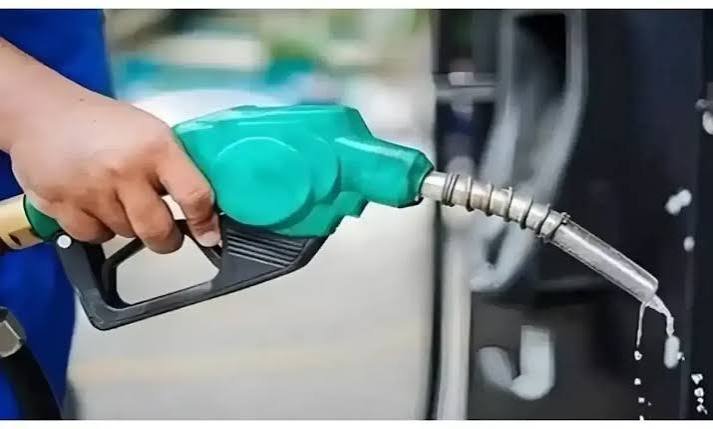
According to the sources, the government announces reduction in petrol price as OGRA issues new fuel notification, lowering the rate of petrol by Rs. 2 per liter while maintaining the existing price of high-speed diesel.
According to the official notification issued by the Oil and Gas Regulatory Authority (OGRA), the revised price of petrol has been set at Rs. 330 per liter, whereas the price of diesel will remain unchanged at Rs. 360 per liter.
The newly revised petroleum prices are scheduled to take effect from November 14, 2026, providing modest relief to daily commuters and light vehicle owners across the country.
Economic analysts note that the adjustment reflects recent fluctuations in international crude oil benchmarks and domestic exchange rate stability, leading to a scenario where the government announces reduction in petrol price as OGRA issues new fuel notification.
Petroleum dealers and fuel stations nationwide have been directed to ensure the immediate implementation of the updated rates at all retail outlets.
While transporters had anticipated a broader cut in diesel rates to ease freight costs, authorities opted to keep diesel stable to balance fiscal requirements, confirming that the government announces reduction in petrol price as OGRA issues new fuel notification for the upcoming pricing cycle.
Analysis of Fuel Price Reduction in November 2026
The November 2026 fuel price revision in Pakistan highlights the ongoing balancing act between global energy market dynamics, domestic inflation management, and fiscal revenue targets.
In Pakistan, petroleum product prices are reviewed fortnightly by the Oil and Gas Regulatory Authority (OGRA) and the Ministry of Finance, primarily driven by international Platt’s oil prices, import premiums, inland freight margins, and the Pakistani Rupee’s exchange rate against the US Dollar.
When global crude oil experiences mild downward pressure or local currency valuation stabilizes, the government gains limited fiscal space to pass on marginal price relief to consumers.
Although a Rs. 2 per liter decrease in petrol appears modest at the retail pump, it carries psychological and incremental economic significance for millions of motorcyclists, middle-income commuters, and urban households grappling with elevated living costs.
Petrol consumption in Pakistan is heavily concentrated in private transportation, meaning even minor reductions help temper month-on-month consumer price index (CPI) pressures.
Conversely, keeping high-speed diesel unchanged at Rs. 360 per liter underscores the government’s cautious fiscal approach.
Because diesel powers heavy freight transport, agricultural machinery, and inter-city logistics, maintaining its rate helps protect petroleum levy collections—a critical non-tax revenue stream required to meet macroeconomic benchmarks.
Ultimately, sustainable relief in fuel costs depends on long-term structural reforms, including energy conservation, expansion of public mass transit, and gradual transition toward electric mobility.
ALSO READ: IMF agrees to continue fuel subsidy scheme under strict conditions
Until domestic reliance on imported refined petroleum decreases, monthly adjustments like the November 2026 revision will remain closely tied to international oil volatility and domestic fiscal obligations.