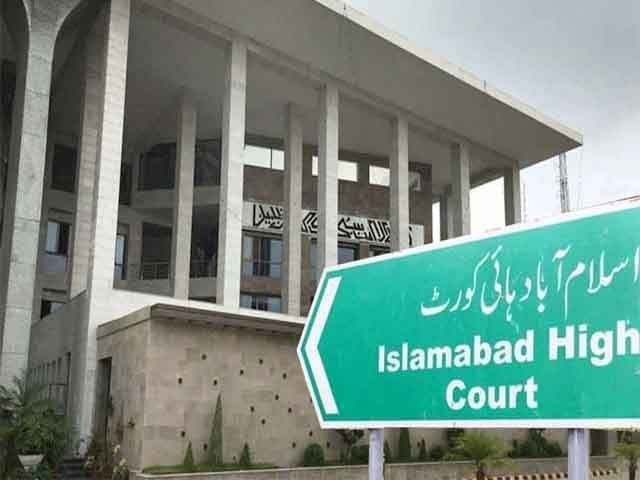
ISLAMABAD: The Islamabad High Court has directed relevant authorities to explain how effectively they are enforcing laws against online harassment, blackmail and the unauthorised sharing of private content, placing institutional accountability and victims’ complaints at the centre of its review.
The directions seek a detailed account of preventive measures, complaint handling and action against unlawful digital material. The court also wants authorities to identify obstacles affecting enforcement and explain how coordination between institutions can be strengthene.
In this regard, Justice Arbab Muhammad Tahir directed the Pakistan Telecommunication Authority, Pakistan Electronic Media Regulatory Authority and National Cyber Crime Investigation Agency to provide information about implementation of the relevant laws.
The requested report concerns both the removal of unlawful online content and the handling of complaints.
It is intended to clarify whether the institutions concerned are using their existing powers effectively when responding to digital abuse.
The court also directed the Ministry of Information Technology and other relevant departments to hold a joint meeting to examine barriers to enforcement.
The meeting and subsequent reporting are expected to give the court a clearer picture of how responsibilities are being carried out across the departments involved.
The directions give particular attention to measures against harassment, blackmail and the publication of private material without permission.
The requested information will help establish how existing protections operate when complaints reach the responsible institutions, according to the scope outlined in the reported order.
Review Focuses on Existing Legal Powers
The central purpose of the proceedings is to assess implementation of the existing legal framework and identify steps needed to improve enforcement.
The report and interdepartmental discussion are expected to clarify institutional limitations, the use of available powers and coordination needs.
ALSO READ: NCCIA Karachi Arrests Man for Online Harassment and Blackmailing Woman
These findings will help the court assess whether current arrangements provide an effective response to unlawful digital activity and what further administrative or operational measures may be required.