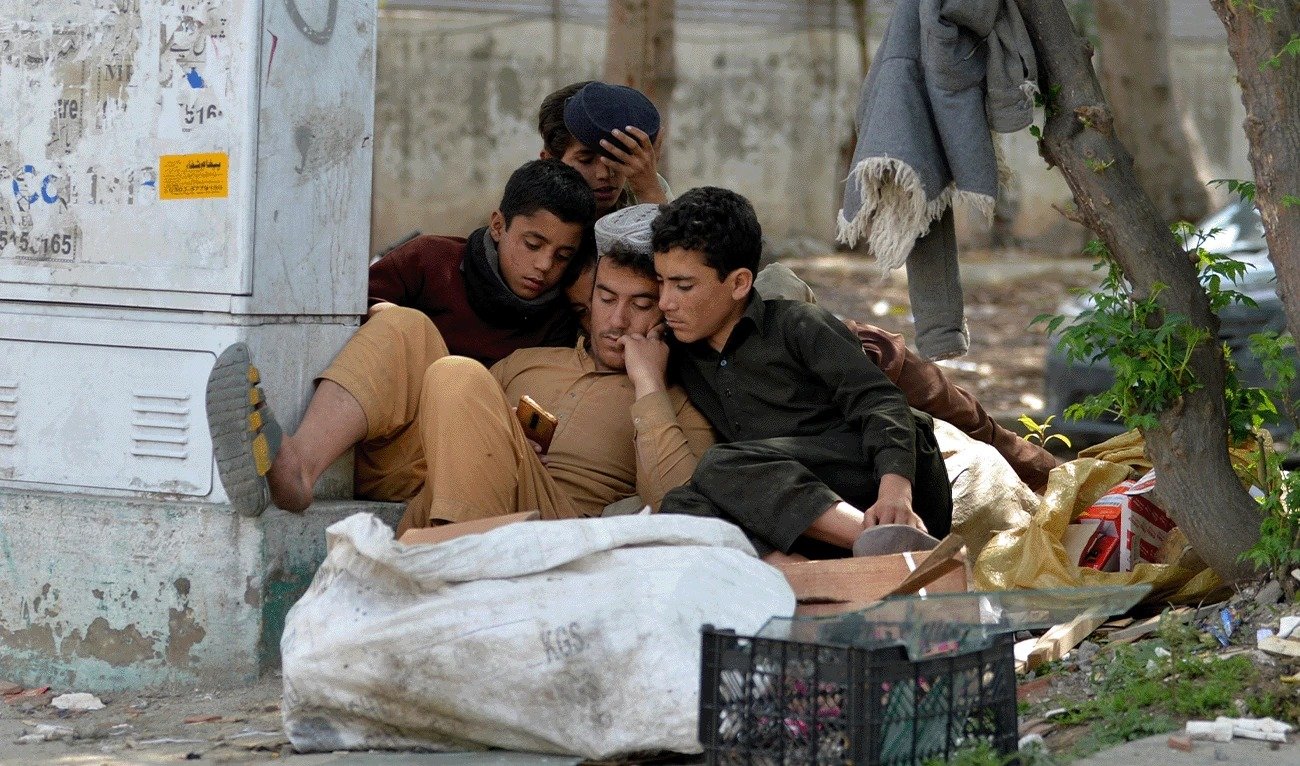
ISLAMABAD: Nearly 1.5 million internet-using children in Pakistan experienced technology-facilitated sexual exploitation or abuse in a single year, according to a UNICEF-backed study, intensifying calls for stronger safeguards as the government considers restricting children’s access to social media.
The findings highlight the scale of online risks facing children and raise fresh questions about whether Pakistan’s proposed age restrictions can adequately protect minors without stronger enforcement, safer platforms and accessible reporting mechanisms.
According to the Disrupting Harm in Pakistan report, published in September by UNICEF, ECPAT International and INTERPOL, nearly one in 16 internet-using children aged 12 to 17 experienced at least one form of technology-facilitated sexual exploitation or abuse over a 12-month period. The estimate is based on a nationally representative household survey.
The abuse included unwanted sexual images or conversations, demands for intimate photographs, the non-consensual sharing of children’s images, sexual threats and blackmail. The report also identified the use of artificial intelligence to create fake images or videos of children.
Pakistan considers age restrictions on social media
The findings come as Pakistan’s federal government considers measures to restrict children’s use of social media, including a possible minimum age requirement and restrictions on certain platforms.
In September, the Interior Ministry began consultations with relevant stakeholders on proposals aimed at curbing child exploitation and harmful online content. Officials were also expected to examine approaches adopted by other countries. No final decision on the proposed restrictions was reported in the cited coverage.
The debate has gained momentum at both federal and provincial levels. On Sept. 1, the Punjab Assembly passed a resolution seeking a legal ban on social media accounts for children under 16, subject to parental or legal guardian consent and effective age verification.
However, implementation presents legal and technical challenges. On Oct. 1, the Pakistan Telecommunication Authority told the Islamabad High Court that it lacked the statutory authority to impose mandatory age verification or restrict social media access for children under 16 without a new legal framework.
The study’s findings add urgency to the debate, but they also point to a broader question: whether restricting children’s access alone would address the underlying causes of online exploitation.
Social media accounts for 44% of reported abuse incidents
Social media was the most commonly reported digital environment in the study, accounting for 44% of reported instances of abuse.
More than half of the children who experienced technology-facilitated sexual exploitation or abuse did not tell anyone about it. None of the children surveyed reported their experiences through formal channels such as helplines, social workers or police.
Fear of stigma, victim-blaming and possible family repercussions can discourage children from seeking help. The findings suggest that the scale of abuse may be difficult to address without confidential reporting systems and greater confidence in the institutions responsible for protecting children.
The research also challenges the assumption that online abuse is primarily committed by strangers. In 85% of the incidents cited by children, the perpetrator was someone they already knew.
AI creates new risks for children
Separately, Najat Maalla M’jid, the UN secretary-general’s special representative on violence against children, warned the UN General Assembly that artificial intelligence and overlapping global crises were creating new threats for children.
She said about 45 million children had been displaced by conflict, natural disasters and the climate crisis, while AI had opened new avenues for child sexual exploitation. Other emerging risks include cyberbullying, deepfakes and the recruitment of children into criminal activities.
The General Assembly also identified AI-generated sexual material as an emerging threat, including fabricated images, non-consensual sharing of private photographs and sexual blackmail.
Is a social media ban enough?
Pakistan’s proposed restrictions could form part of a wider child-protection strategy, particularly if they prevent younger children from accessing services where risks are difficult to manage. However, the study does not establish that a blanket social media ban would, by itself, prevent abuse.
A comprehensive response would also require effective age-assurance systems, stronger obligations for digital platforms to detect and remove abusive material, better-trained investigators, and safe channels through which children can report exploitation.
The report identified gaps in Pakistan’s legal and institutional response, including the absence of a requirement for children’s forensic interviews to be systematically conducted by specially trained professionals. Such shortcomings can expose victims to insensitive questioning and further psychological harm.
Poverty, food insecurity, displacement and disruptions to education can further increase children’s vulnerability. Addressing these pressures alongside digital risks is therefore essential to a broader protection strategy.
The central challenge for Pakistan is not simply to decide how old children should be before they can use social media. It is to ensure that children who use the internet can do so safely, that platforms are held accountable for abuse, and that victims can obtain help without fear of blame or humiliation.