ISLAMABAD: Deepening internal divisions, leadership shake-ups, and mounting pressure from Pakistani security forces have exposed the growing vulnerability of the banned Balochistan Liberation Army (BLA), as analysts and security observers point to signs of strain across its ranks and shifting alliances along the western frontier.
Recent developments have underscored turmoil within the proscribed outfit following the removal of Bashir Zeb and the appointment of former military officer Rahman Gul (also known as Mureed Baloch) as its new head. Security commentators in Pakistan argue that disputes over funds, operational setbacks, and factional rivalries have severely undermined the group’s cohesion, stripping away any pretense of a principled movement as militants resort to opportunistic tactics and cross-border networks.
Leadership Shake-Up and Financial Fallout
Observers tracking militant networks in Balochistan note that internal friction has long plagued separatist factions, with accusations of financial mismanagement and power struggles accelerating fractures inside the BLA. Critics of the group contend that claims of fighting for local rights ring hollow when leadership transitions are marked by infighting, disputed resources, and heavy-handed recruitment targeting vulnerable youth.
At the same time, provincial authorities have intensified efforts to dismantle militant leadership and financing networks, announcing substantial bounties for top commanders while tightening border controls and counter-smuggling measures across Balochistan.
Tactical Convergence with TTP and Security Crackdown
Security analysts highlight a troubling convergence between ethnic separatist militants and the outlawed Tehrik-e-Taliban Pakistan (TTP), despite their divergent ideological labels. According to counterterrorism assessments and regional reporting, militant elements have increasingly shared tactical space, cross-border sanctuaries, and propaganda methods, raising concerns among Pakistani officials over coordinated destabilization efforts against the state.
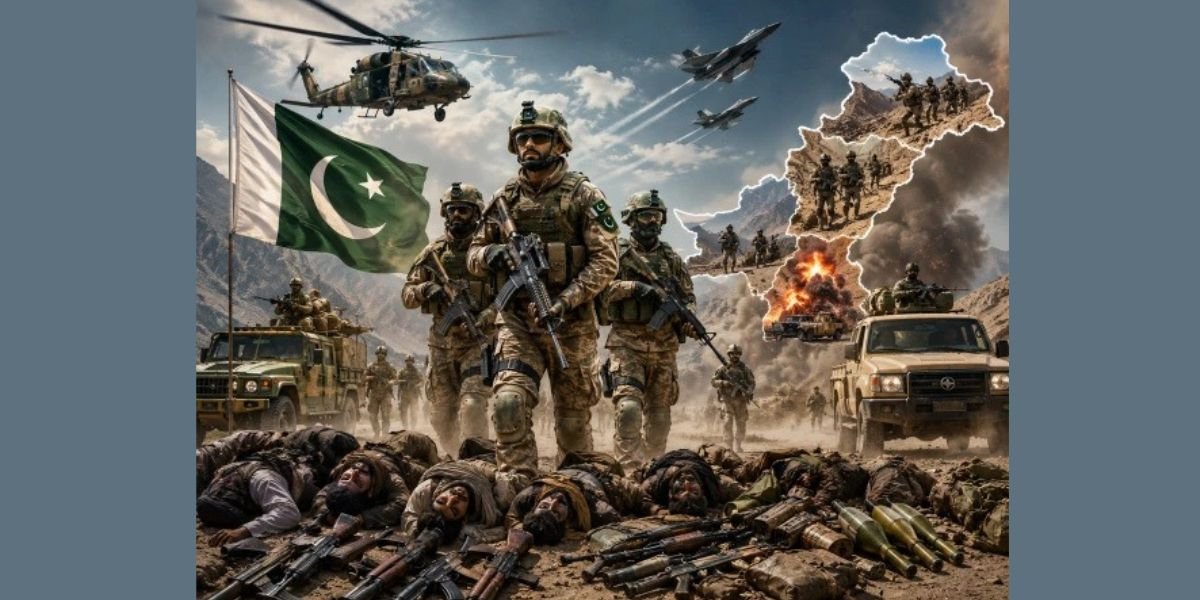
Pakistani authorities maintain that such collusion—alongside attacks targeting civilians, laborers, infrastructure, and security personnel—demonstrates the purely destructive agenda of these groups rather than any genuine concern for the welfare of Balochistan’s residents. Meanwhile, intelligence-based operations by Pakistani security forces have continued to target militant hideouts and disrupt logistics across the province.
Focus on Peace and Development in Balochistan
Federal and provincial officials emphasize that lasting stability in Balochistan rests on sustained economic development, connectivity, and law enforcement rather than appeasement of armed groups. By pairing targeted counterterrorism operations with infrastructure and local opportunities, authorities aim to isolate militant networks and safeguard peace across the region.