ISLAMABAD: A research report has accused Pakistan Tehreek-e-Insaf (PTI)-linked social media accounts of running a coordinated campaign alleging that the emergency imposed in Khyber Pakhtunkhwa aims to gain control of the province’s mineral resources.
The report, attributed to Azad Research and Azad Fact Check, alleges that the campaign uses misleading claims and an old video clip of the US chargé d’affaires discussing mineral potential in Balochistan, Khyber Pakhtunkhwa and other parts of Pakistan.
It argues that the clip has been repeatedly circulated to support claims that the province’s mineral wealth is the real reason behind the emergency.
However, the allegations in the report, including claims about illegal mining and political patronage, could not be independently verified from the material provided.
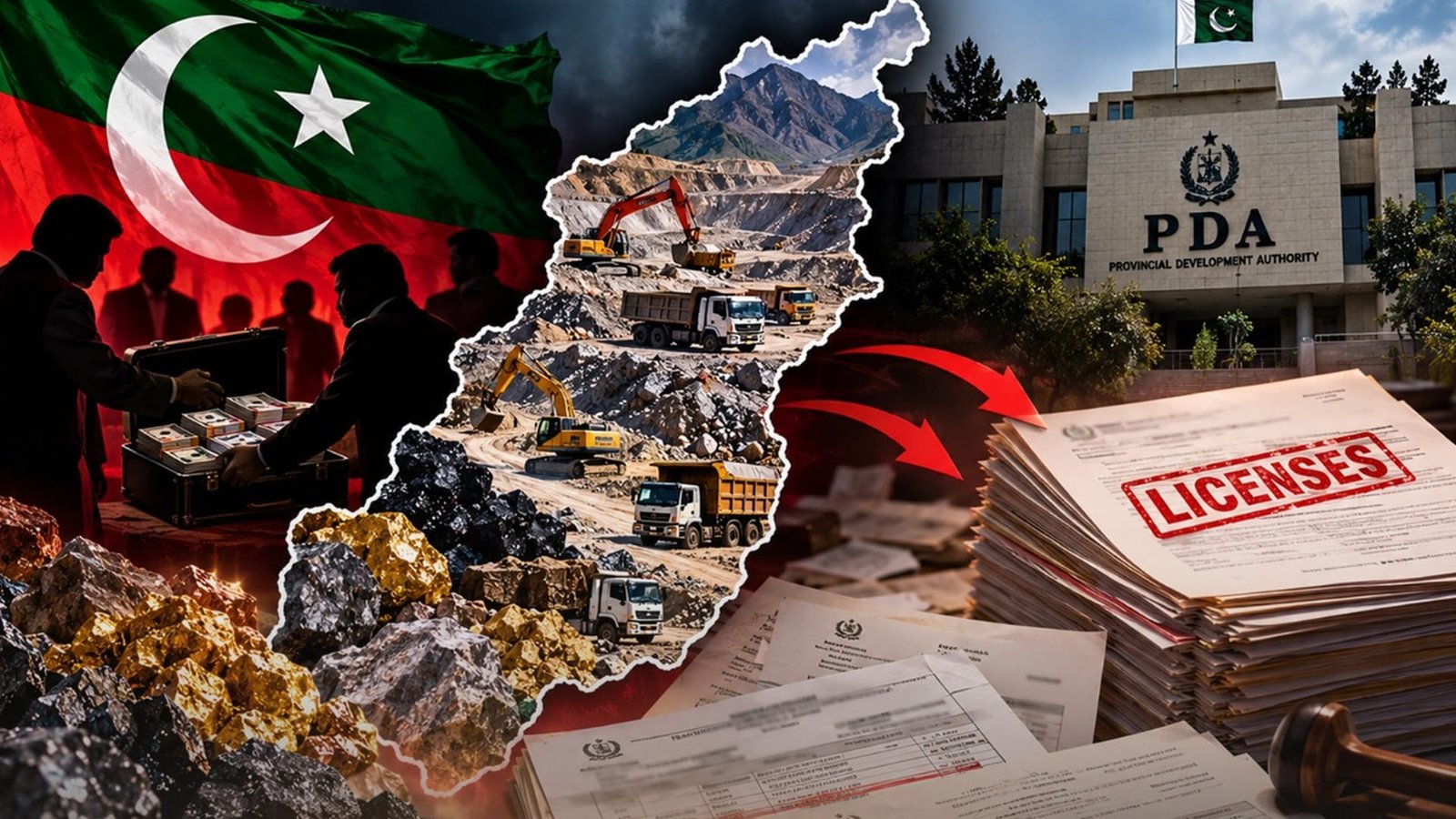
The report also raises questions about mining licences issued during PTI’s tenure in the province and the extraction of placer gold from the Indus River.
Mining licences issued during PTI rule
According to the report, Khyber Pakhtunkhwa had fewer than 1,000 mining licences before PTI came to power. It alleges that the party issued more than 4,719 licences during its 13 years in government.
The report claims that politicians, contractors and business associates benefited from the licences. It further alleges that some companies focused on extracting raw minerals instead of processing them into finished or refined products.
It cites excavation along the Indus River as an example, alleging that hundreds of excavators have been used to extract placer gold and other minerals from the river’s black sand.
The report also alleges that companies owned by PTI ministers were involved in illegal mining activities. It does not provide documentary evidence in the supplied material to establish the ownership of the companies or substantiate the allegations.
Report disputes allegations against the military
The report rejects allegations that the Pakistan Army has taken control of the province’s mineral resources.
It says the Frontier Works Organisation (FWO), a military-linked engineering organisation, operates a mining project at Boya Degan and describes it as the only mining licence held by a national institution in the province.
According to the report, the project provides employment to local residents and has a record of community development and corporate social responsibility. It also says media organisations have visited the site to assess its operations.
The material provided does not include independent records confirming the number of licences held by state-linked organisations or independently establishing the project’s operational and environmental record.
What sustainable mineral development requires
The report says Pakistan has significant mineral potential, particularly in Khyber Pakhtunkhwa and Balochistan, but argues that the country needs stronger regulation and investment to benefit from these resources.
It identifies transparent investment, skilled workers, modern regulatory systems and stable security conditions as essential requirements.
It also calls for greater domestic processing of minerals instead of exporting raw materials. Improved transport infrastructure, stronger supply chains and enforcement of environmental protection laws are other priorities identified in the report.
The report argues that processing minerals locally could help generate employment, increase economic value and deliver greater benefits to communities in resource-rich areas.
Calls for independent reporting
The report recommends sending journalistic teams to mining sites to interview independent experts and local residents and examine the claims surrounding mineral extraction.
It says mineral resources in Khyber Pakhtunkhwa and Balochistan should benefit local communities and the wider population, with decisions about their development made transparently.
The report also warns that unverified videos, incomplete information and disputed statistics can intensify political tensions during periods of instability.
Social media activity surrounding the province’s mineral resources has gained attention following recent political changes and the imposition of an emergency in Khyber Pakhtunkhwa.
The competing claims have placed renewed focus on the need for transparent mining licences, independent oversight and evidence-based reporting on the management of Pakistan’s mineral wealth.