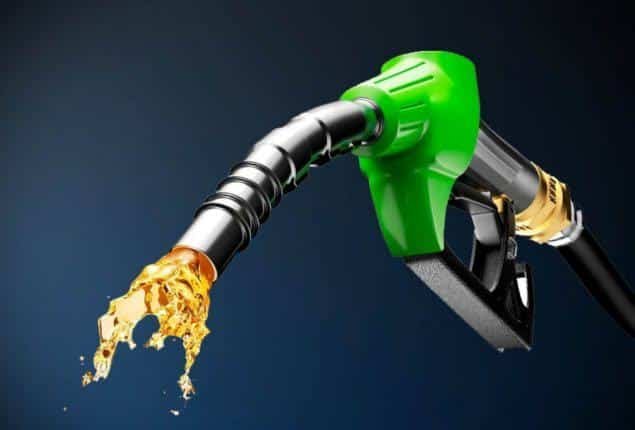
ISLAMABAD: Government has changed fuel prices across Pakistan today. According to the sources, in a recent announcement, the federal government has increased the prices of petroleum products across the country.
According to private TV channel reports and the official notification issued by the Petroleum Division, petrol and diesel prices hike in Pakistan in 2026 has seen petrol become dearer by Rs 2.10 while diesel prices have been raised by Rs 0.30 per litre.
Following this adjustment, the new price of petrol is set at Rs 392.76 per litre, while high-speed diesel has reached Rs 399.64 per litre.
This revision follows previous minor price fluctuations wherein petrol had earlier experienced a hike of Rs 3.26 while diesel saw a slight decrease of Rs 1.01.
The continuous upward revision in fuel tariffs has triggered immediate concerns regarding transport and commodity costs nationwide as petrol and diesel prices hike in Pakistan in 2026 puts further strain on the public.
The Socio-Economic Impact of Fuel Price Hikes in Pakistan in 2026
The persistent upward trajectory of petroleum tariffs has become a defining economic challenge for households and businesses alike.
As global oil market dynamics, currency fluctuations, and domestic fiscal adjustments dictate fuel costs, consecutive revisions directly cascade into a broader rise in inflation.
Transport fares, the cost of agricultural inputs, and the supply chain expenses for essential food items surge almost immediately following every price notification, leaving salaried classes and daily-wage earners under immense financial pressure.
For an import-dependent economy, managing energy costs remains a delicate balancing act for policymakers striving to meet international financial institution targets while shielding vulnerable segments of society.
However, frequent escalations mean that businesses face higher operational expenses, which in turn dampens industrial productivity and commercial growth.
Experts emphasize that long-term relief can only be achieved through structural reforms, enhanced investments in public transport, and a transition toward alternative, renewable energy sources to reduce reliance on imported fossil fuels.
ALSO READ: Federal Government Revises Fuel Rates Across Pakistan
Until such measures stabilize the local energy market, the economic ripple effects of the ongoing petrol and diesel prices hike in Pakistan in 2026 will continue to dominate the national discourse, underscoring the urgent need for targeted relief and sustainable economic planning.